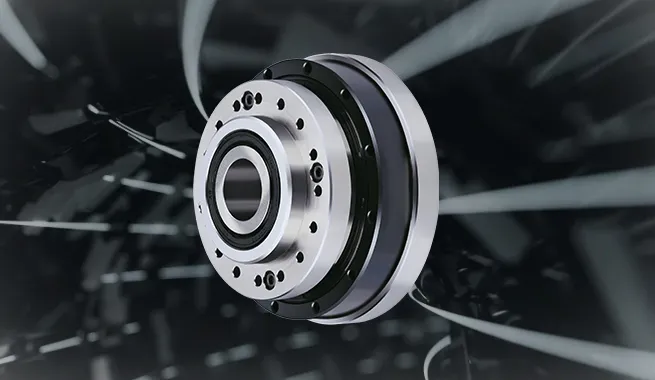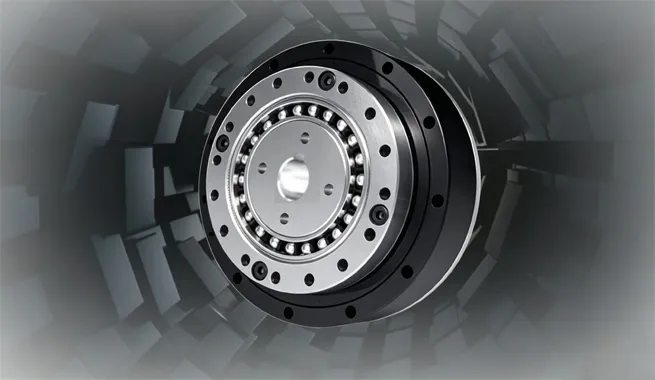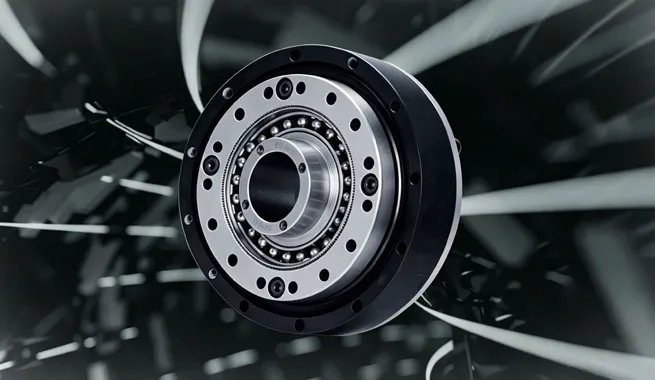
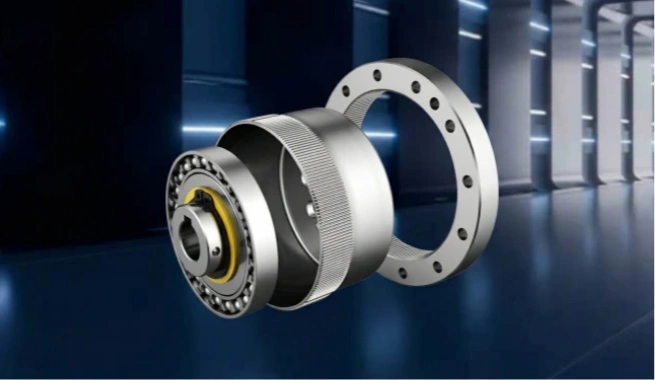
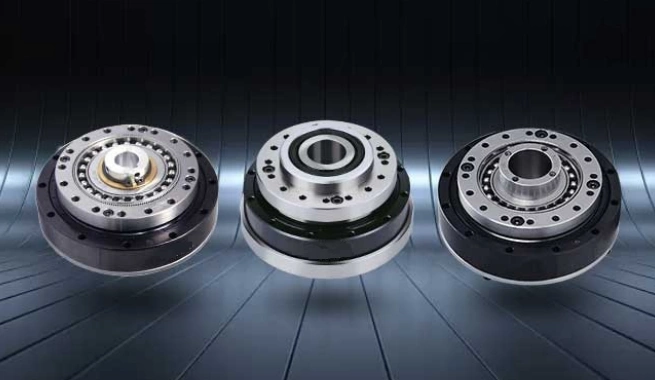
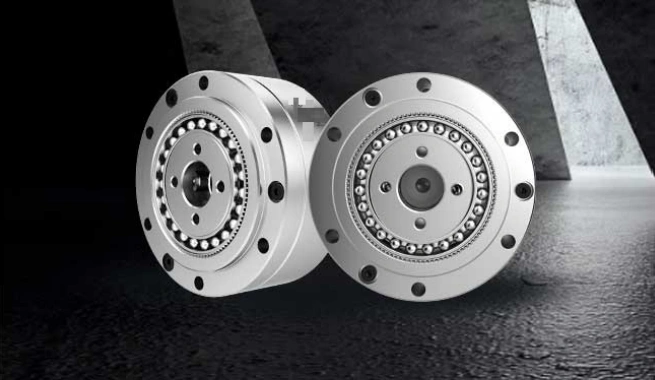
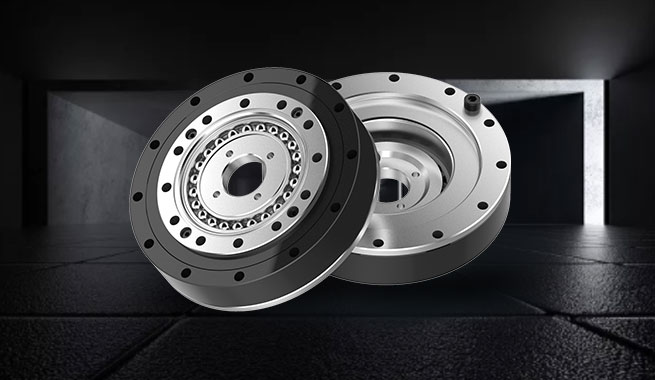
Harmonic drive technologies play a central role in modern robotics by providing the precision motion control that advanced robotic systems require for smooth, accurate, and highly repeatable movement. Built on the principle of elastic deformation and strain wave transmission, harmonic drives achieve exceptional positional accuracy and minimal backlash, characteristics that make them ideal for joints, end-effectors, and compact actuators used throughout the robotics industry. Their ability to reliably convert small drive inputs into high-torque, low-speed outputs enhances the stability and responsiveness of robotic mechanisms, allowing brands such as PICEA MOTION to deliver motion systems that meet demanding industrial, medical, and automation standards. As robotic platforms become more sophisticated and compact, harmonic drive technologies continue to define the mechanical foundation needed for delicate control, refined articulation, and consistent performance.
One of the most defining benefits of harmonic drive technologies is their ability to deliver high torque density within a remarkably compact form factor, a characteristic that greatly influences the structure and efficiency of robotics designs. High torque output enables robotic joints to handle heavy loads while maintaining smooth and controlled motion, which is crucial for applications ranging from collaborative robots to precision assembly robots. Because harmonic drive technologies rely on a strain wave mechanism that maximizes the contact ratio between teeth, they achieve strong torque transmission without increasing the size or weight of the actuator. This blend of performance and compactness gives robots greater flexibility in movement, greater lifting capability, and improved dynamic control, all while supporting the trend toward lightweight, space-efficient robotic systems.
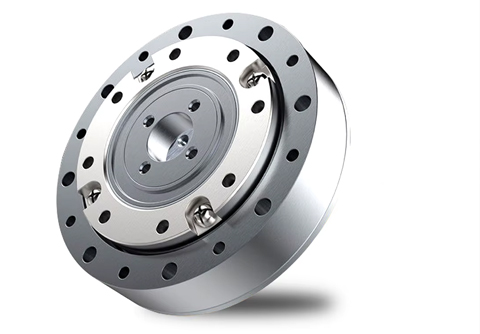
Harmonic drive technologies are essential for high-accuracy robotics because they provide the extremely low backlash and high positional repeatability needed for tasks that demand micrometer-level precision. Robots used in fields such as electronics manufacturing, medical equipment handling, laboratory automation, and semiconductor production rely heavily on strain wave gearing to ensure every movement is executed exactly as programmed. The unique deformation-based transmission method greatly minimizes mechanical play, resulting in precise start-stop motion, accurate orientation of robotic arms, and stable operation even during complex multi-axis movements. These advantages also enhance the reliability of long-term robotic operation, reducing deviations and improving the consistency required in environments where precision directly affects product quality and operational efficiency. With harmonic drive technologies, robotics manufacturers can guarantee smoother performance, tighter tolerances, and highly predictable kinematic behavior.
The lightweight architecture of harmonic drive technologies is another critical factor that enhances robotic performance, especially as industries continue shifting toward compact and energy-efficient motion systems. The strain wave mechanism requires fewer components than traditional gear systems, resulting in a smaller and lighter assembly without sacrificing torque or precision. This makes harmonic drives ideal for robotic arms, mobile robots, service robots, and automation modules that must maintain high performance within strict size constraints. Reducing weight at each joint also lowers the inertia of the entire robotic arm, allowing for faster acceleration, more responsive movement, and improved energy efficiency. Through compact design paired with advanced harmonic drive technologies, manufacturers like PICEA MOTION support the creation of agile robotic platforms capable of more refined and dynamic operation.
The versatility of harmonic drive technologies has expanded their application across a wide range of robotic fields, from industrial automation to medical robotics and next-generation service robots. Their combination of high precision, torque density, and compactness allows them to adapt seamlessly to multi-axis robotic arms, humanoid robots, dexterous grippers, positioning systems, and automated inspection equipment. Because harmonic drives can maintain performance stability even during continuous operation, they are well suited for robots operating under demanding conditions, including cleanrooms, assembly lines, and laboratory environments. This versatility allows robotic designers to integrate harmonic drive technologies into complex mechanisms that require smooth motion, stable rotational control, and exact positioning across extended operating cycles. The broad applicability of harmonic drive technologies ensures they remain fundamental components in the evolution of robotics, enhancing functionality, reliability, and system performance across numerous industries.
Contact us today to discuss your project requirements and find the perfect harmonic drive solutions.
Contact Us Now
Hi, I am Sophie from Shenzhen PICEA Motion Technology Co, Ltd. I have been working in overseas business trade for more than 5 years. PICEA Motion is a professional manufacturer of precision harmonic gears. Our company integrates R&D, production, sales, and after-sales services.