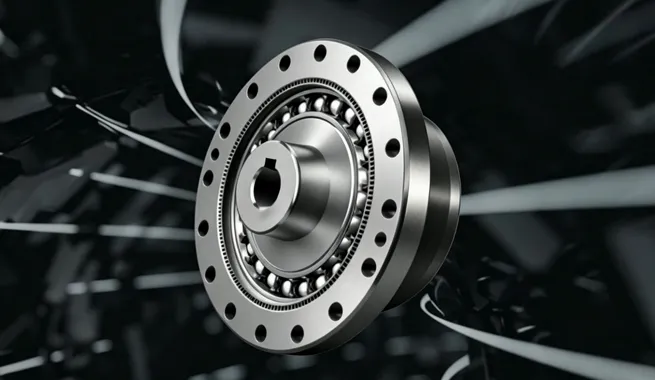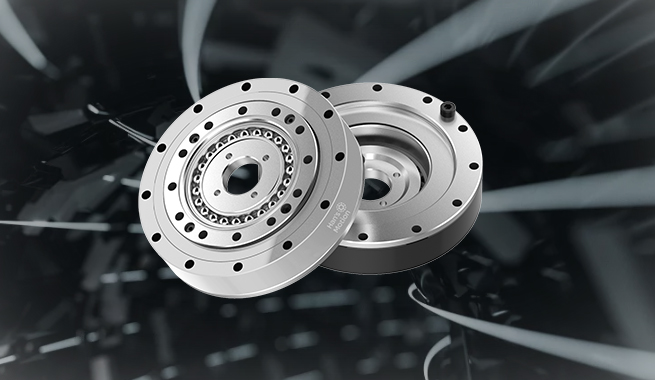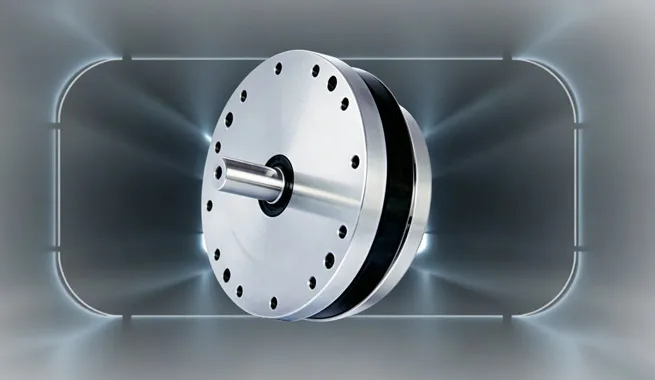
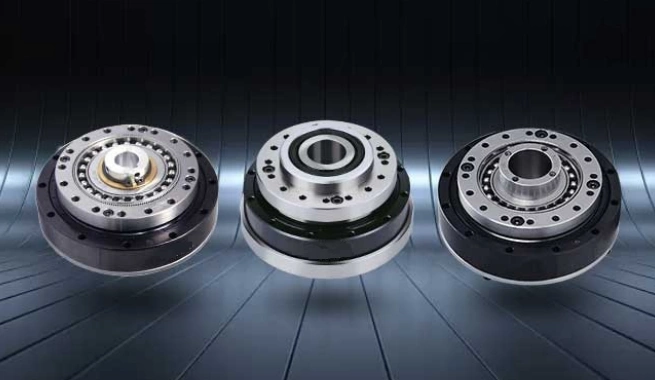
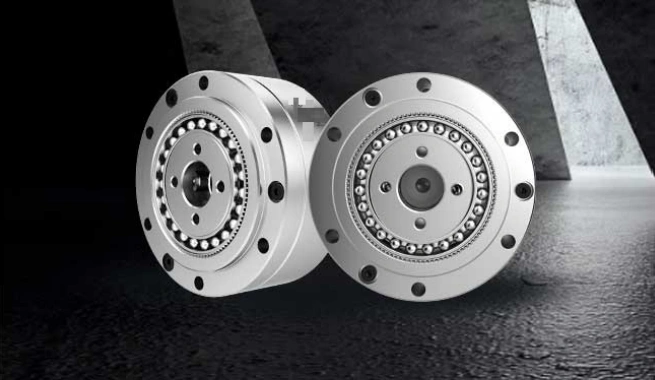
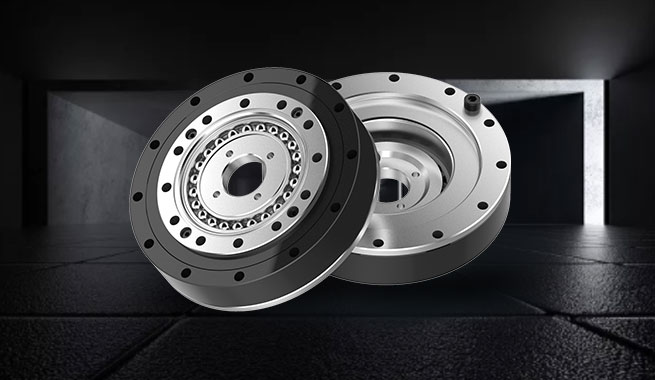
In the world of precision engineering, where accuracy, torque density, and compact design determine success, harmonic drive components stand as a breakthrough in modern transmission systems. These components form the foundation of many cutting-edge applications, from industrial robotics to aerospace navigation and advanced medical devices. Their unique ability to deliver zero backlash, high reduction ratios, and long-term reliability has made them indispensable in fields that demand the highest standards of performance.
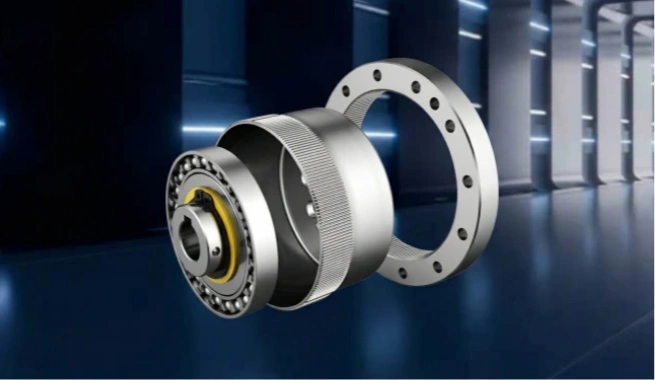
A harmonic drive system is not a single element but a synergy of specialized components working in harmony. The three essential elements are the wave generator, the flexspline, and the circular spline. The wave generator is usually an elliptical bearing assembly that induces controlled deformation in the thin-walled flexspline, allowing its teeth to engage periodically with the rigid circular spline. This simple yet ingenious arrangement enables torque transmission with exceptional reduction ratios and unmatched precision. Manufacturers like PICEA MOTION, with state-of-the-art laboratories and global-standard processing equipment, have refined these components to push the limits of performance and durability in real-world applications.

Each component of a harmonic drive has a distinct role but must also maintain perfect alignment under stress. The flexspline, typically made of a thin but strong alloy, absorbs deformation while ensuring accurate tooth engagement. The circular spline provides stability and resilience, while the wave generator drives the entire interaction with precise motion. The reliability of these elements depends not only on mechanical design but also on advanced material science. At PICEA MOTION, years of research and close collaboration with universities such as the University of Tokyo and the University of Tsukuba have contributed to optimizing component structure and materials. These improvements allow harmonic drive components to withstand high torque loads while maintaining a compact and lightweight profile, critical for applications like robotic joints or medical equipment.

The versatility of harmonic drive components lies in their adaptability. In robotics, they empower collaborative robots with smooth, responsive joint movements that make human-robot interaction safe and efficient. In aerospace, they ensure stability in satellite orientation and spacecraft navigation. In medical technology, they enable surgical robots to carry out delicate procedures with confidence, allowing physicians to operate with accuracy inside the smallest anatomical spaces. With PICEA MOTION supplying over 300 customers across domestic and international markets, the widespread trust in harmonic drive technology underscores its importance in advancing modern industries.
The evolution of harmonic drive components continues alongside advancements in material science, digital simulation, and AI-driven motion control. As robotics becomes more human-like and space exploration pushes into deeper frontiers, the need for compact, high-precision, and reliable transmission systems will only intensify. Harmonic drive components embody the principle of "flexibility against rigidity", a philosophy that aligns perfectly with the demands of next-generation automation. With ongoing innovations, they are expected to become even more integral to the design of humanoid robots, precision instruments, and autonomous systems in the coming decade.

Contact us today to discuss your project requirements and find the perfect harmonic drive solutions.
Contact Us Now
Hi, I am Sophie from Shenzhen PICEA Motion Technology Co, Ltd. I have been working in overseas business trade for more than 5 years. PICEA Motion is a professional manufacturer of precision harmonic gears. Our company integrates R&D, production, sales, and after-sales services.