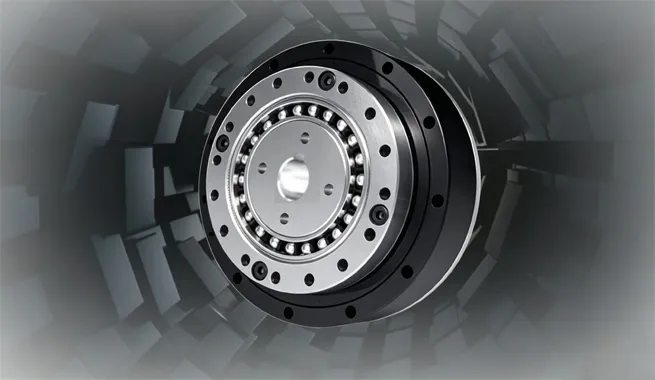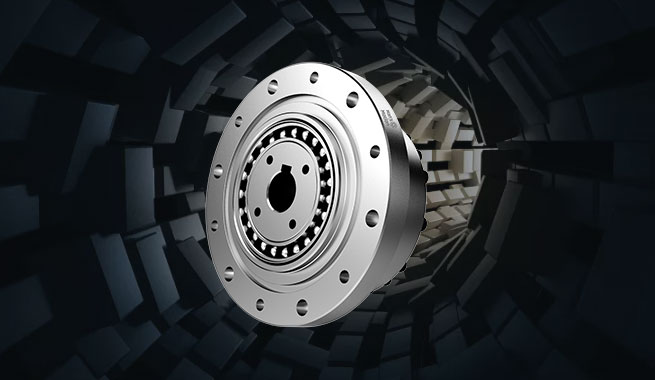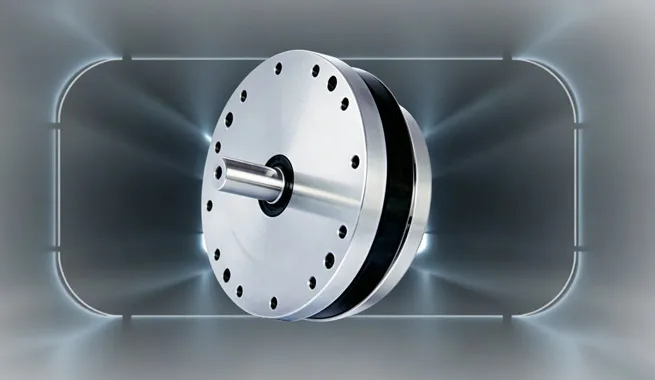
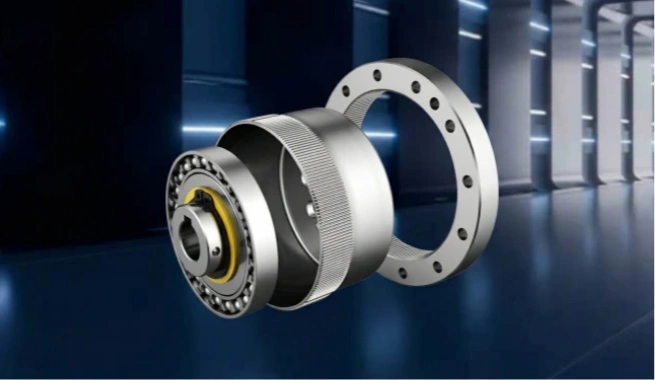
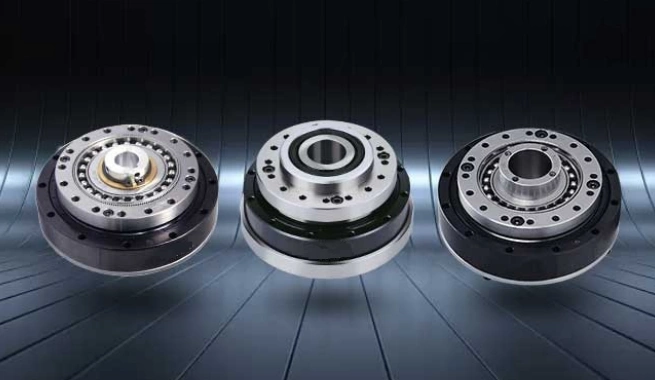
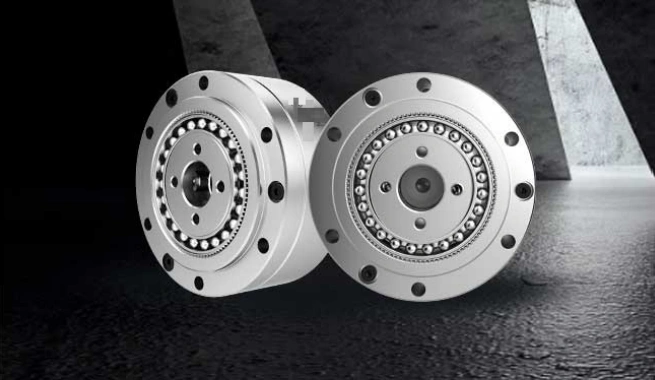
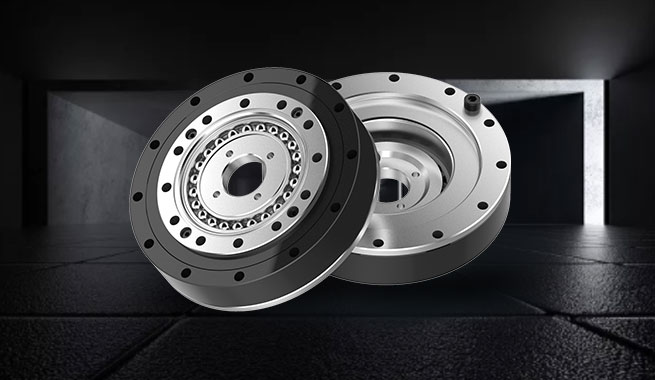
Food processing is an industry where precision, efficiency, and hygiene converge to ensure both product quality and safety. From automated slicing systems to high-speed packaging equipment, the mechanical components that drive these machines must meet extremely high performance standards. Among these components, the harmonic reduction gear has proven to be a critical enabler of innovation. PICEA MOTION, a leader in precision transmission systems, has developed advanced harmonic reduction gear solutions that are increasingly being applied in food processing, making complex tasks more reliable and efficient.
Food processing requires consistent accuracy, whether it involves cutting products into uniform slices, mixing ingredients with exact ratios, or positioning items for packaging. The harmonic reduction gear provides near-zero backlash, enabling smooth and precise motion control. This is particularly important in applications such as automated cutting systems, where even minor deviations can compromise product quality. By integrating harmonic reduction gear into their designs, food machinery manufacturers can ensure repeatability and accuracy, which directly supports both operational efficiency and food safety standards.
In this respect, PICEA MOTION has demonstrated strong capabilities. With world-class testing and processing equipment, its harmonic reduction gear solutions achieve the fine tolerances required for food industry machinery, ensuring long-term reliability in high-volume production environments.

While harmonic reduction gear brings substantial benefits, the food industry imposes unique challenges. Machinery used in food production must withstand frequent washdowns, exposure to moisture, and strict hygiene requirements. Therefore, the gears must be produced with materials and coatings that resist corrosion while maintaining mechanical integrity. The flexible spline, a critical part of harmonic reduction gear, must be carefully engineered to balance elasticity with durability, even under repeated stress in demanding environments.
PICEA MOTION addresses these challenges through its research partnerships and technical innovations. Collaboration with universities such as the University of Tokyo and the University of Tsukuba has enabled advancements in material sciences, ensuring that harmonic reduction gear systems can perform consistently in environments where reliability and hygiene cannot be compromised.

The adaptability of harmonic reduction gear extends across many stages of food processing. In mixing equipment, harmonic reduction gear ensures steady torque output, allowing consistent blending of ingredients. In conveyor and packaging systems, its precision enables accurate placement and handling of products at high speeds. Even in inspection and analysis equipment used in food quality control, harmonic reduction gear plays a role in achieving the precision needed for accurate evaluation.
PICEA MOTION's harmonic reduction gear products, with their strong emphasis on innovation and technical excellence, are already making an impact in these areas, proving their versatility in diverse food production scenarios.

The food processing industry is moving toward greater automation to meet rising demand while maintaining quality and compliance with safety standards. Harmonic reduction gear will continue to play a central role in this transition, enabling machinery that is not only efficient but also capable of meeting stringent regulatory requirements. Companies like PICEA MOTION, with a proven record of innovation, advanced R&D, and award-winning designs, are contributing to shaping the future of automation in food production.

Harmonic reduction gear represents not just a technical solution but a vital element in ensuring that modern food processing can achieve the precision, efficiency, and reliability demanded by today's global market.
Contact us today to discuss your project requirements and find the perfect harmonic drive solutions.
Contact Us Now
Hi, I am Sophie from Shenzhen PICEA Motion Technology Co, Ltd. I have been working in overseas business trade for more than 5 years. PICEA Motion is a professional manufacturer of precision harmonic gears. Our company integrates R&D, production, sales, and after-sales services.