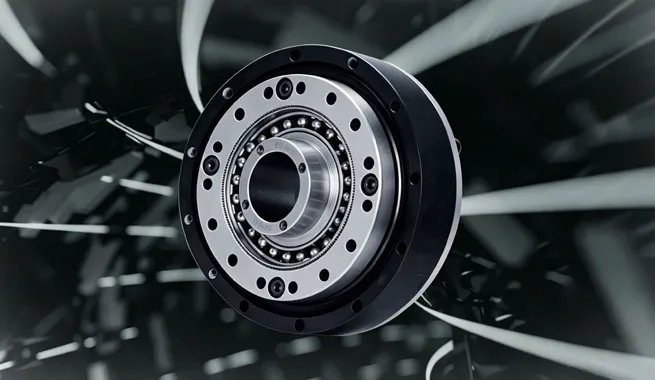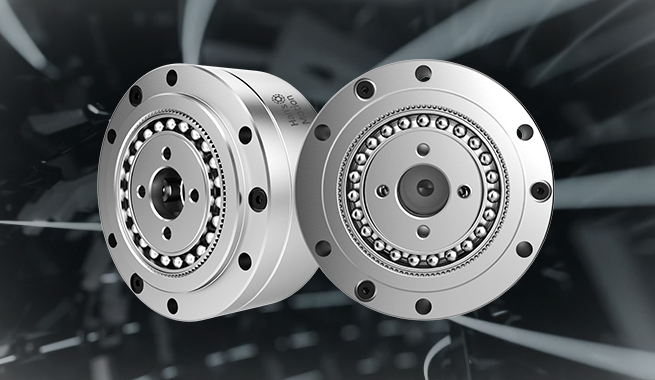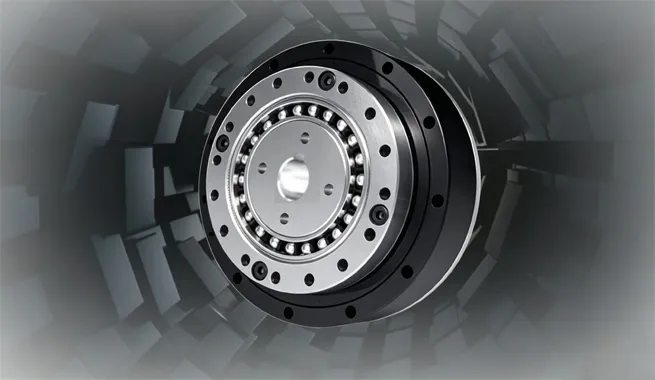
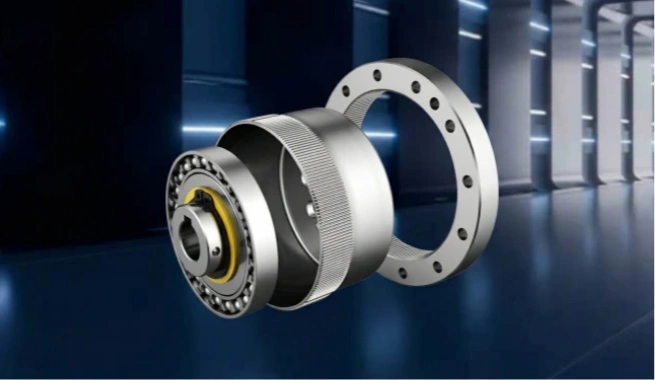
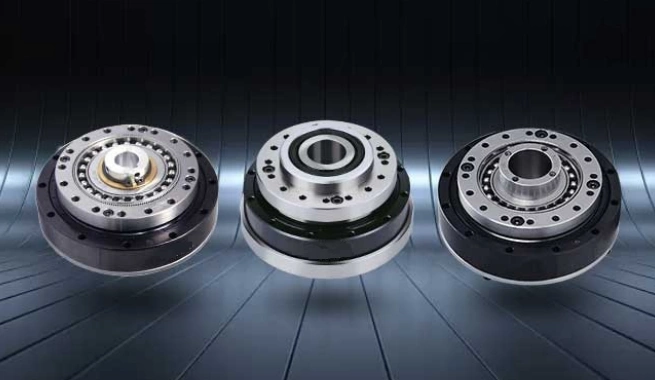
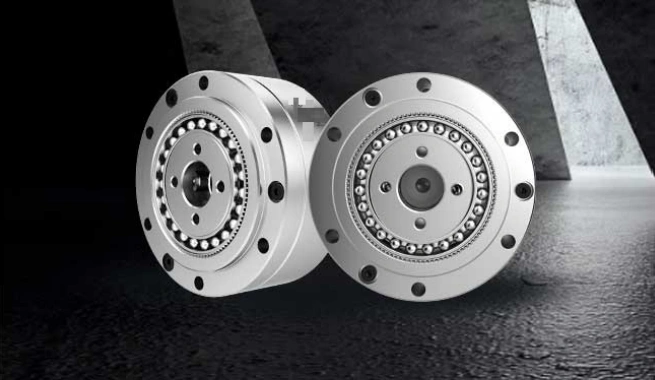
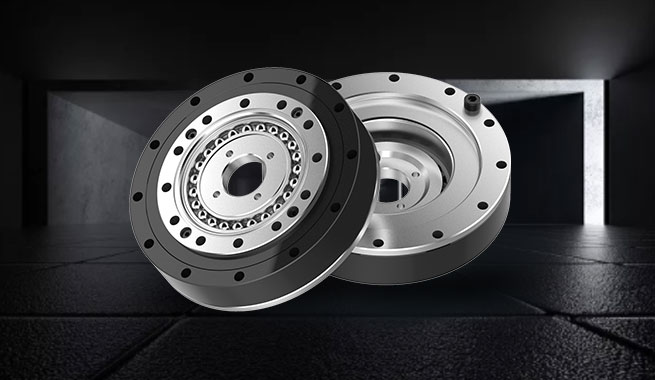
Harmonic reduction gears are essential components in the field of robotics and automation, offering a unique solution to the challenges of precision motion control and torque transmission. These gears use a strain wave mechanism to reduce speed and increase torque output with minimal backlash and high efficiency. The harmonic reduction gear system typically consists of three key elements: the wave generator, the flex spline, and the circular spline. By utilizing the flexibility of the flex spline, which is deformed by the wave generator, harmonic reduction gears can achieve compact, high-performance gear ratios that are vital for precision-driven systems. These unique features make harmonic reduction gears ideal for applications requiring smooth, accurate, and reliable motion, especially in environments where size, weight, and efficiency are key considerations.
The primary advantage of harmonic reduction gears lies in their ability to provide significant reduction ratios while maintaining compactness and low mechanical play. This is particularly important in robotics, where the need for high torque in small form factors is a constant challenge. Harmonic reduction gears allow for high precision without the size constraints typically associated with traditional gear systems. Their ability to produce smooth, controlled motion with minimal backlash ensures that robotic systems can perform tasks with great accuracy, making them indispensable in fields like medical robotics, automation, and high-precision manufacturing.
Harmonic reduction gears are widely used in robotics and automation systems due to their remarkable benefits, including high torque density, minimal backlash, and the ability to handle high-load conditions in a compact package. The high torque density offered by harmonic reduction gears allows robots to achieve powerful motions while keeping their overall design lightweight and space-efficient. This is crucial for systems where size and weight constraints limit the size of actuators, such as in mobile robots, drones, and humanoid robots.
Moreover, the low backlash inherent in harmonic reduction gears is critical for maintaining the precision of robotic movements. In applications where robots need to perform repetitive tasks with high accuracy, even the smallest deviations in movement can lead to significant errors. By minimizing backlash, harmonic reduction gears ensure that each movement is as precise as the last, which is especially important in medical robots, high-precision manufacturing, and other sensitive environments. This precision also extends to the robotic systems' ability to maintain consistent performance over time, further enhancing their reliability in continuous or long-term operations.
One of the defining characteristics of modern robotics is the trend toward smaller, more compact systems that still deliver powerful performance. Harmonic reduction gears play a pivotal role in this design evolution, as their compact and efficient design enables robots to perform high-torque tasks within confined spaces. By utilizing the strain wave principle, these gears provide significant gear reductions without the need for large, bulky components. This is particularly beneficial in applications like medical robotics, where devices must operate within tight, confined spaces, such as inside the human body during minimally invasive procedures.
In addition, the small size and high efficiency of harmonic reduction gears contribute to the overall lightweight design of robotic systems. The reduced weight helps improve the agility and mobility of robots, enabling them to move more quickly and with greater precision. This is essential for applications such as automated material handling, where robots must navigate tight aisles or complex layouts, or in drones that require lightweight but powerful motors for smooth flight dynamics. The impact of harmonic reduction gears on compact robot design cannot be overstated, as they allow for the miniaturization of robotics without compromising performance or functionality.
In the field of automation, efficiency is critical for both energy savings and system longevity. Harmonic reduction gears contribute to the efficiency of automated systems by reducing friction and ensuring a smooth transfer of motion from the motor to the load. The strain wave mechanism used in harmonic reduction gears allows for a higher torque output at lower speeds, all while minimizing mechanical losses. This increased efficiency not only reduces energy consumption but also helps extend the lifespan of the robotic components by minimizing wear and tear.
Additionally, the high efficiency of harmonic reduction gears enables robots to operate for longer periods without overheating or requiring excessive maintenance. In industrial automation systems, this can translate to increased throughput, reduced downtime, and lower operational costs. For instance, in high-speed assembly lines or robotic packaging systems, the ability to maintain consistent performance and efficiency throughout extended operation cycles is vital for maintaining production output and quality.
In conclusion, harmonic reduction gears are a cornerstone technology in modern robotics and automation, offering critical benefits in terms of efficiency, precision, compactness, and high-torque performance. Their unique design enables robots to perform complex tasks in a variety of environments, from industrial production lines to medical surgeries, all while maintaining reliability and minimizing space constraints. As technology continues to advance, the role of harmonic reduction gears in driving innovation in robotics will only become more pronounced, making them an essential component in the development of the next generation of automated systems.
Contact us today to discuss your project requirements and find the perfect harmonic drive solutions.
Contact Us Now
Hi, I am Sophie from Shenzhen PICEA Motion Technology Co, Ltd. I have been working in overseas business trade for more than 5 years. PICEA Motion is a professional manufacturer of precision harmonic gears. Our company integrates R&D, production, sales, and after-sales services.