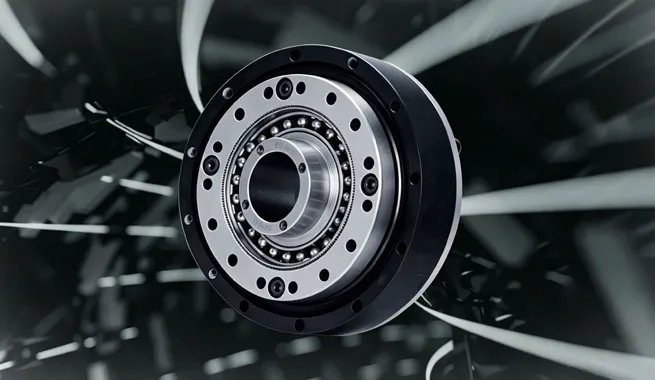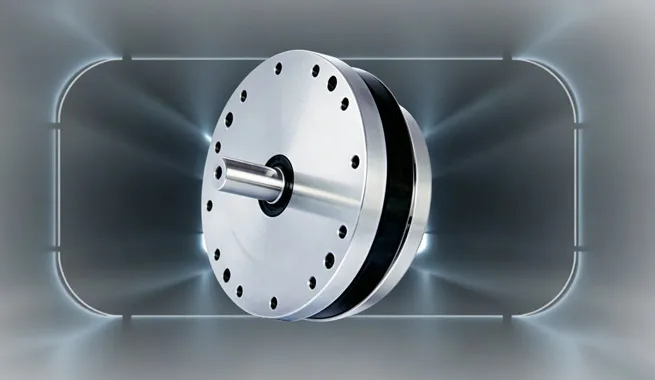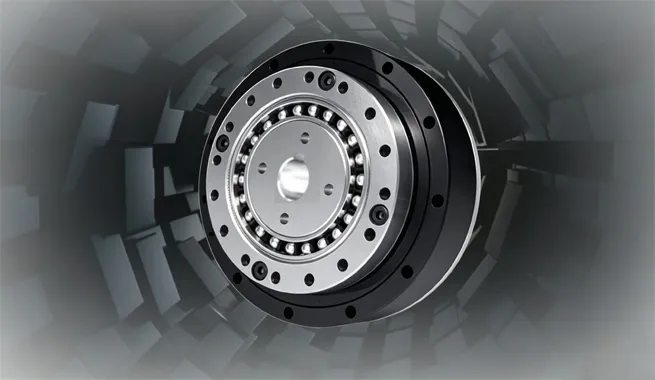
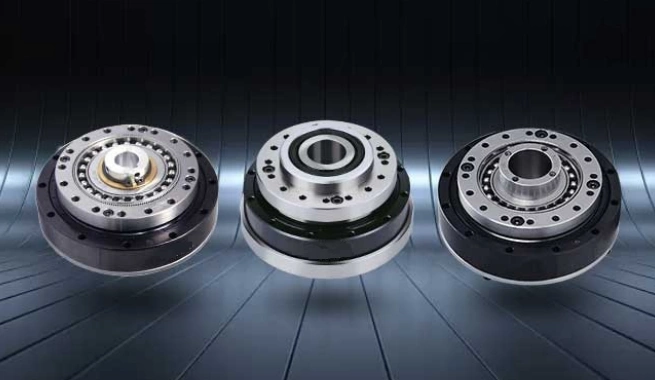
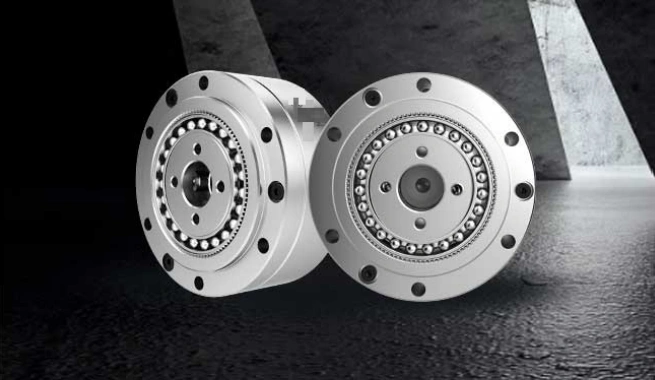
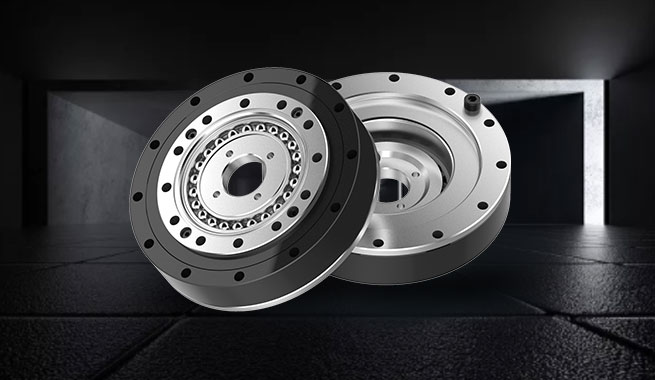
The global wave of humanoid robotics is reshaping the future of automation, and one of the most vital components driving this transformation is the harmonic reduction gear. Unlike conventional gear systems, harmonic reduction gears bring unmatched precision, compactness, and torque efficiency, which are indispensable for robots designed to replicate human movements. With the market for humanoid robots projected to expand into a trillion-scale industry, the demand for advanced drive technology has reached new heights. PICEA MOTION, with its strong R&D capabilities and world-class testing infrastructure, is positioned as a leading force in this high-stakes competition.
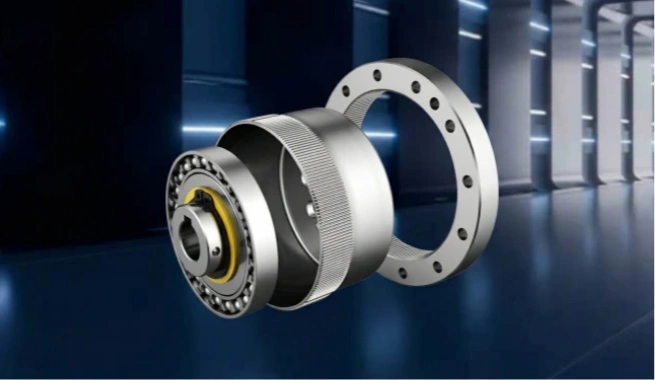
Humanoid robots must combine fluidity, precision, and strength in order to perform tasks once reserved for humans. The harmonic reduction gear lies at the heart of this process, enabling smooth and accurate joint movements while maintaining a compact size. Its unique design—incorporating a wave generator, flexible spline, and circular spline—offers near-zero backlash and high torque-to-weight ratios. This is crucial when robotic systems must operate within the tight confines of a humanoid form factor. PICEA MOTION's solutions reflect these core strengths, helping manufacturers meet the growing demand for high-precision robotic systems.
By integrating harmonic reduction gears into humanoid robots, developers can ensure that the machines not only move with human-like fluidity but also maintain durability under heavy loads. From the delicate grip of robotic hands to the complex rotational movement of knees and elbows, harmonic reduction gears are indispensable to achieving life-like performance.

As humanoid robots move beyond industrial use into healthcare, service, and consumer applications, the expectations for reliability and accuracy are higher than ever. Harmonic reduction gear technology provides several distinct advantages. First, the near-zero backlash ensures accuracy in repetitive tasks, a requirement in both medical robotics and precision assembly. Second, the compact design reduces overall system weight, allowing robots to operate with greater energy efficiency. Third, the gears are capable of transmitting high torque in limited space, which is critical for robots that must perform heavy-duty tasks while maintaining agility.
PICEA MOTION, with partnerships that include leading universities such as the University of Tokyo and the University of Tsukuba, continues to refine the efficiency of harmonic reduction gears, ensuring they meet the evolving demands of humanoid robotics. This combination of research collaboration and technical innovation enables the company to remain competitive in the global market.

The humanoid robotics sector is not just about replicating human form—it is about creating intelligent, adaptive machines capable of working alongside humans in complex environments. For this, innovation in core mechanical systems like harmonic reduction gear is essential. PICEA MOTION leverages its industrial robot engineering laboratory and advanced testing equipment to push the boundaries of gear technology. This dedication to innovation has won the company multiple industry awards, including the Golden Finger Innovation Product Award and recognition at the World Robotics Congress.
Such achievements are not incidental but the result of deliberate investment in research, world-class machinery, and a philosophy of "Innovative Craftsmanship." This approach ensures that harmonic reduction gear solutions continue to evolve, supporting humanoid robots as they move into new fields and applications.

The humanoid robotics industry is rapidly transitioning from experimental prototypes to commercially viable systems that can perform in real-world conditions. As demand grows across industries—from healthcare and logistics to education and service—harmonic reduction gears will remain central to ensuring reliability and precision. With over 300 customers worldwide and a robust portfolio of patents and software copyrights, PICEA MOTION is already contributing to this global shift.
Harmonic reduction gear technology not only underpins the success of humanoid robots but also symbolizes the path to a future where intelligent machines work seamlessly with humans. Companies that continue to advance this technology will be the true leaders in the trillion-dollar race, shaping the next era of robotics and automation.

Contact us today to discuss your project requirements and find the perfect harmonic drive solutions.
Contact Us Now
Hi, I am Sophie from Shenzhen PICEA Motion Technology Co, Ltd. I have been working in overseas business trade for more than 5 years. PICEA Motion is a professional manufacturer of precision harmonic gears. Our company integrates R&D, production, sales, and after-sales services.