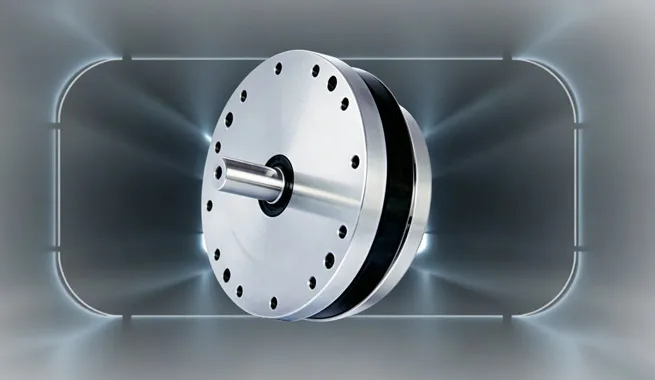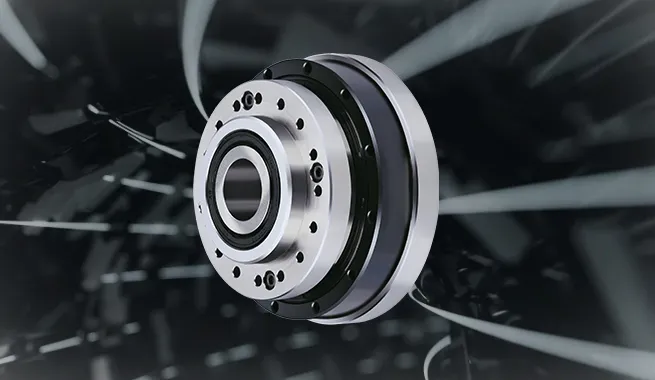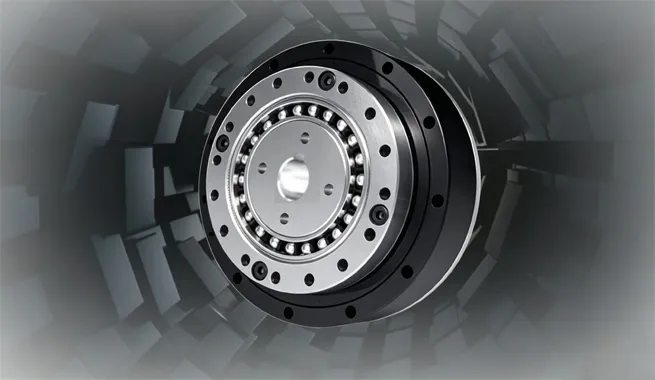
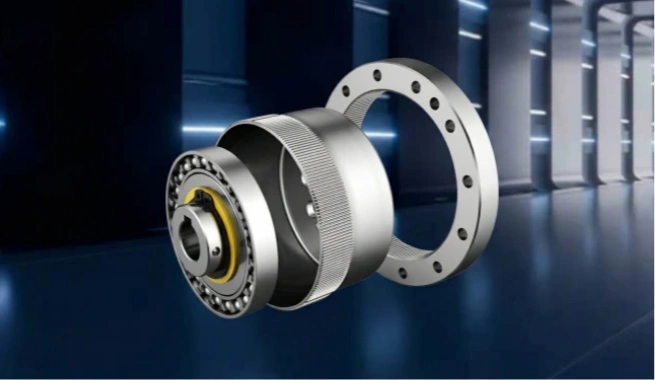
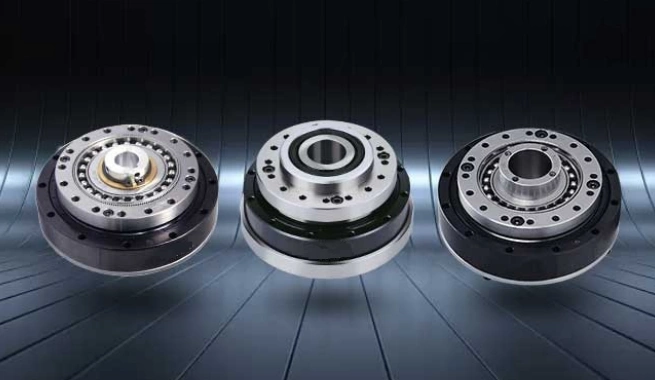
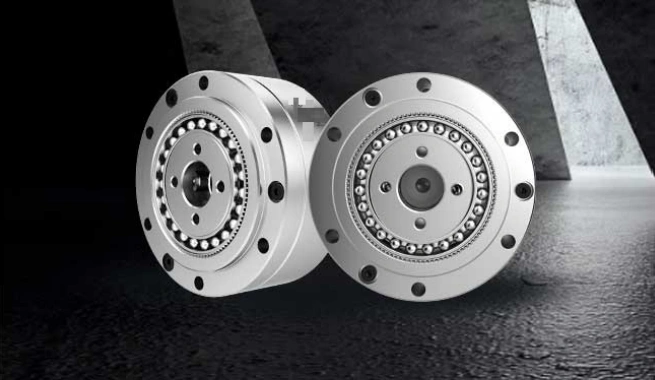
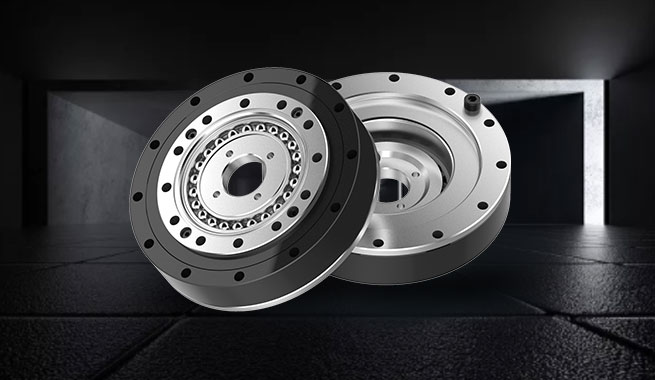
Understanding what is a harmonic drive is the foundation for proper maintenance. A harmonic drive gear is a specialized type of gear system that employs a wave generator, flexspline, and circular spline to deliver high-precision motion control with near-zero backlash. This unique design allows harmonic drives to provide exceptional torque-to-weight ratios, compactness, and repeatability, making them indispensable in robotics, medical devices, aerospace, and precision automation industries. PICEA MOTION, as a recognized leader in precision harmonic drives, has leveraged decades of research and engineering expertise to produce reliable and high-performing harmonic drive gear solutions that require careful maintenance to sustain optimal performance over their operational lifespan.
The operation of a harmonic drive gear involves the elastic deformation of the flexspline, which is continuously stressed and relieved as the wave generator rotates. Over time, improper lubrication, contamination, or overloading can accelerate wear on the flexspline teeth and the circular spline. PICEA MOTION employs rigorous material selection and surface treatments to enhance durability, but maintenance practices such as regular inspection for pitting, scoring, or uneven wear are essential. Regular checks ensure that the harmonic drive gear maintains precision and minimizes the risk of sudden failure in critical applications.

Lubrication is a critical factor in the longevity of harmonic drive systems. Using high-quality lubricants and following a scheduled lubrication routine helps reduce friction, heat generation, and wear. PICEA MOTION recommends specific greases compatible with high-precision harmonic drives and emphasizes the importance of applying the correct quantity to avoid both under-lubrication and over-lubrication. For drives operating in extreme temperatures or high-speed applications, periodic re-lubrication ensures smooth operation and preserves the gear's performance characteristics, particularly in robotics and aerospace assemblies where precision is non-negotiable.

Environmental factors significantly impact the maintenance schedule and operational life of harmonic drive gear systems. Exposure to dust, moisture, or corrosive substances can compromise internal components, leading to increased wear or failure. PICEA MOTION designs its harmonic drives with robust sealing solutions to protect against contaminants. Furthermore, understanding operational limits, such as torque and speed ratings, ensures that harmonic drives are not subjected to loads beyond their design capabilities, preserving both efficiency and precision.

Maintenance Aspect | Harmonic Drive Gear | Conventional Gear Systems |
Lubrication Frequency | Moderate, requires periodic high-quality grease | Frequent, may require complex oil circulation |
Wear Monitoring | Visual inspection for flexspline and circular spline | Standard wear indicators; less precision-focused |
Backlash Management | Near-zero by design, minimal adjustments | Needs frequent adjustment to maintain accuracy |
Environmental Sensitivity | Moderate, sealed designs mitigate dust and moisture | High, exposed teeth prone to contamination |
Operational Lifespan | Long, with proper maintenance | Moderate, subject to faster wear and degradation |
This comparison highlights why harmonic drives, although requiring specialized care, offer superior long-term precision and reliability compared to conventional gearing systems.

Routine inspections are fundamental to sustaining harmonic drive performance. Checking the wave generator, flexspline alignment, and circular spline engagement ensures that the system continues to operate within manufacturer specifications. PICEA MOTION provides guidelines for inspection intervals, torque verification, and vibration analysis to detect early signs of misalignment or wear. For critical applications in robotics, medical devices, or aerospace systems, these preventative measures are crucial to avoid unexpected downtime and to maintain consistent operational accuracy.

Modern harmonic drive gear maintenance increasingly incorporates predictive monitoring technologies. Sensors can track temperature, torque, vibration, and rotational accuracy in real-time, enabling preemptive maintenance interventions. PICEA MOTION's harmonic drives are compatible with such advanced monitoring systems, allowing users to extend operational life, reduce maintenance downtime, and maintain high-precision performance throughout the system's lifecycle. This integration represents a shift from reactive to proactive maintenance, essential in high-stakes automation and aerospace environments where reliability is critical.
Contact us today to discuss your project requirements and find the perfect harmonic drive solutions.
Contact Us Now
Hi, I am Sophie from Shenzhen PICEA Motion Technology Co, Ltd. I have been working in overseas business trade for more than 5 years. PICEA Motion is a professional manufacturer of precision harmonic gears. Our company integrates R&D, production, sales, and after-sales services.