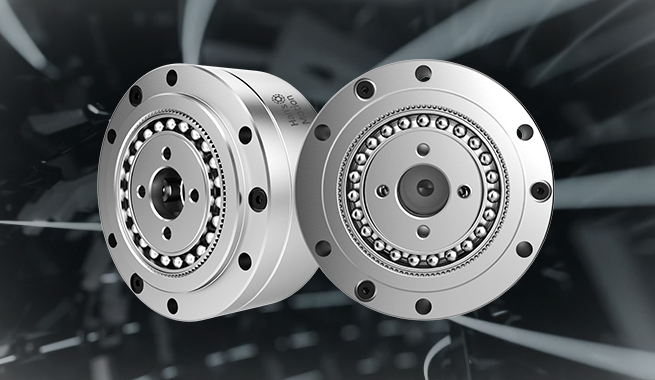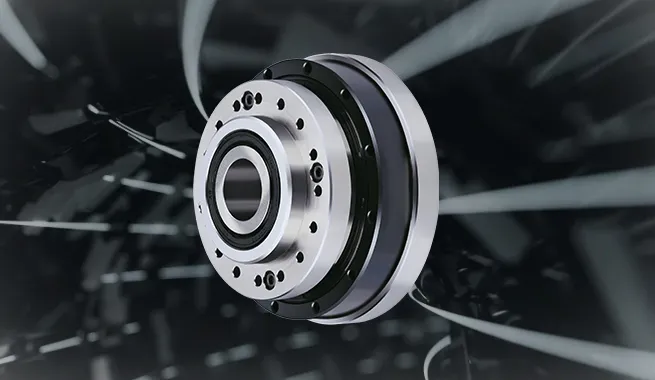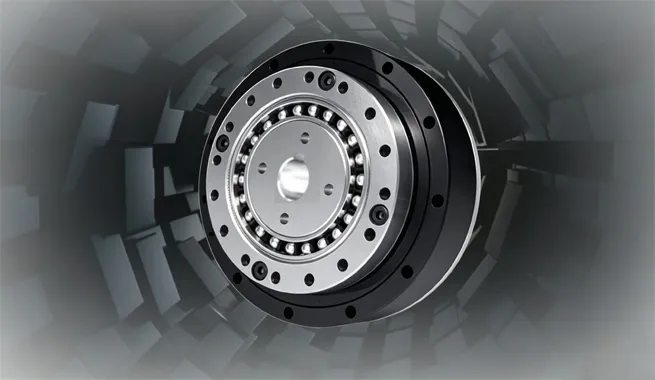
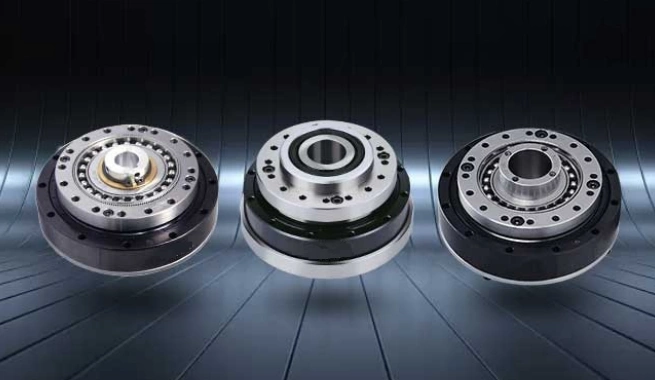
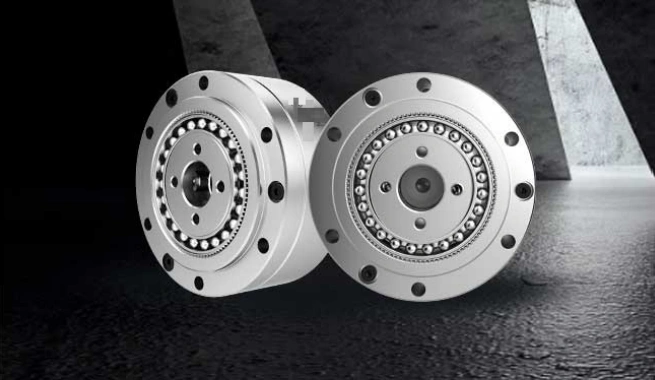
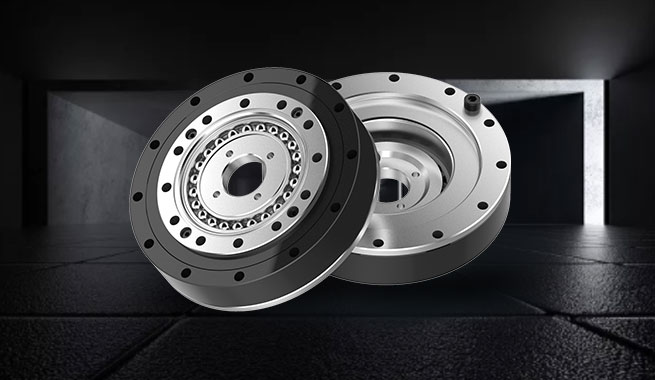
Harmonic gear reducers are an essential component in high-precision industries such as robotics, medical equipment, and automation systems. Known for their ability to deliver high torque in a compact form, harmonic drives play a crucial role in optimizing the performance of these systems. PICEA Motion, a leading manufacturer in the field of harmonic drives, has long been at the forefront of developing advanced harmonic gear reduction solutions. This article explores the working principle of harmonic drives, the advantages they offer, and how they compare to other gear systems, providing a comprehensive understanding of their essential role in modern technology.
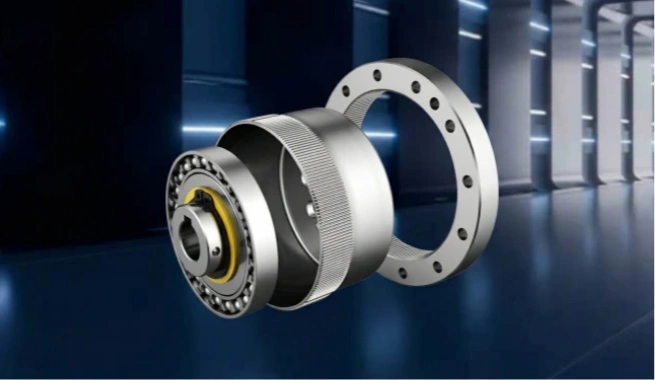
The working principle of a harmonic drive is based on the use of a flexible spline that deforms elastically under load, creating a precise and efficient power transmission system. A typical harmonic drive consists of three key components: the wave generator, the flex spline, and the circular spline. The wave generator is an elliptical cam that deforms the flexible spline. The flex spline then engages with the circular spline, which has a set of teeth that mesh with the flex spline's teeth. As the wave generator rotates, it causes the flex spline to generate a wave-like motion, transmitting torque and resulting in smooth, high-precision movement.
Unlike traditional gear systems, harmonic drives offer high torque output with minimal backlash, making them ideal for applications that require precise and stable movement. The flexibility of the flex spline allows for a compact design while maintaining a high degree of efficiency, making harmonic drives one of the most effective solutions for demanding applications.

Harmonic gear reducers offer several distinct advantages over traditional gearing systems. First and foremost, they provide a high reduction ratio in a single stage, making them perfect for applications where space is limited but high torque is needed. Their compact size allows them to be integrated into smaller, more efficient systems, which is a critical factor in industries like robotics, where space and weight are crucial factors.
The unique design of the harmonic drive also ensures that they operate with extremely low backlash. This is essential for precision control in robotics, medical devices, and aerospace applications, where even the smallest deviation can lead to catastrophic errors. The low backlash feature of harmonic gear reducers significantly improves the accuracy and reliability of systems that rely on fine movements.

One of the standout features of harmonic gear reducers is their exceptional durability and efficiency. Harmonic drives are known to have low friction losses, which results in less wear and tear over time. This leads to longer operational lifetimes, making them more cost-effective for industries that rely on high-performance, long-lasting equipment. Additionally, the high torque output of harmonic gear reducers allows them to handle heavy loads without significant strain on the system, reducing the likelihood of breakdowns or failures.
These reducers are also highly efficient in terms of energy consumption. By minimizing friction and maximizing torque transfer, harmonic gear reducers help optimize the overall energy usage of a system, which is crucial in energy-conscious industries such as robotics and medical devices. The efficiency of these drives makes them ideal for reducing operational costs in high-demand environments.

Feature | Harmonic Gear Drive | Traditional Gear Drive |
Precision | High precision with minimal backlash | Moderate precision |
Torque Output | High torque in compact form | Moderate torque output |
Efficiency | High efficiency, low energy loss | Higher energy loss due to friction |
Size | Compact and lightweight | Bulkier and heavier |
Durability | High durability, longer lifespan | Moderate durability |
The comparison table illustrates the distinct advantages of harmonic gear drives over traditional gear systems. While traditional gears are suitable for basic applications, harmonic gear reducers excel in precision, efficiency, and compactness. Their ability to provide high torque in a smaller package with minimal backlash and wear makes them the preferred choice for applications requiring high performance, such as robotics and advanced automation systems.

Harmonic gear reducers are used in a wide range of industries due to their compact design, high torque, and precision. In robotics, they are essential for controlling robotic arms and ensuring smooth, accurate movements in manufacturing and assembly lines. The high torque and minimal backlash provided by harmonic gear drives allow robots to perform complex tasks with precision and reliability.
In medical devices, harmonic gear reducers are commonly used in surgical robots and diagnostic machinery, where accuracy and reliability are paramount. Their durability and low maintenance requirements make them ideal for critical healthcare applications, where system failure can have serious consequences. Additionally, harmonic drives are used in communication equipment, where they ensure stable and efficient signal transmission. In testing and analysis equipment, the precision and reliability of harmonic gear reducers are key factors in ensuring accurate measurements and data collection.

Contact us today to discuss your project requirements and find the perfect harmonic drive solutions.
Contact Us Now
Hi, I am Sophie from Shenzhen PICEA Motion Technology Co, Ltd. I have been working in overseas business trade for more than 5 years. PICEA Motion is a professional manufacturer of precision harmonic gears. Our company integrates R&D, production, sales, and after-sales services.