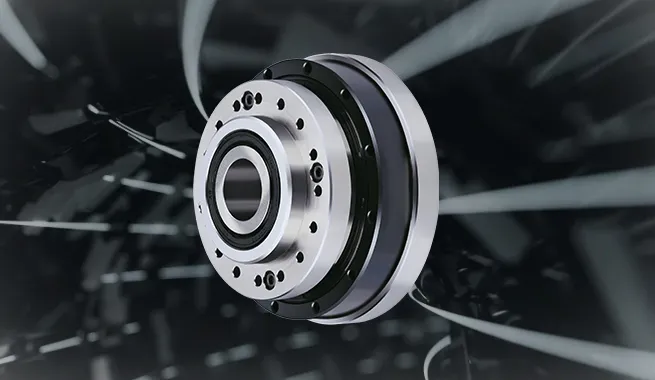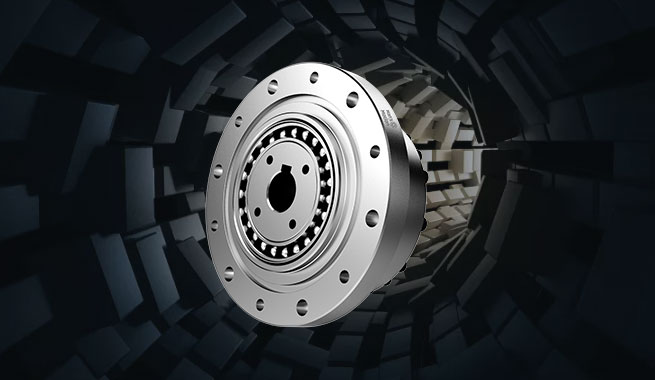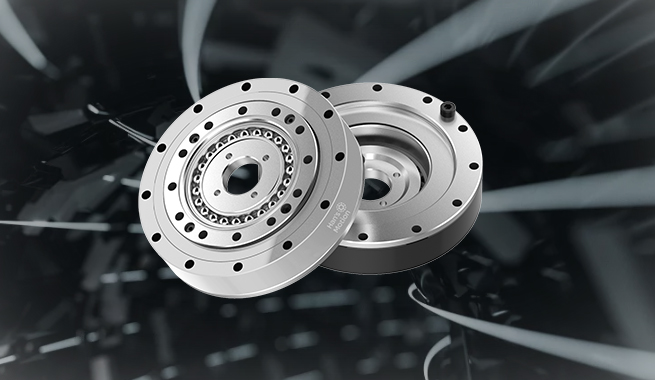
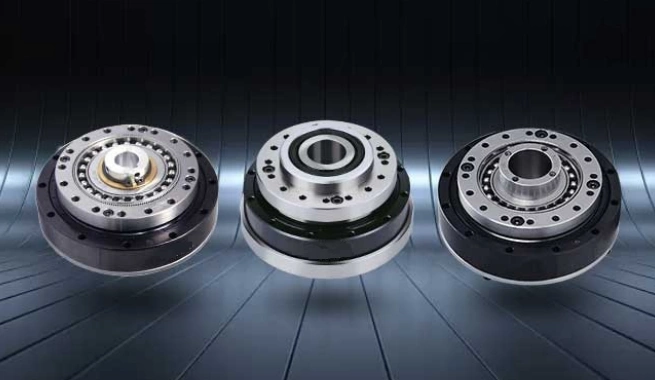
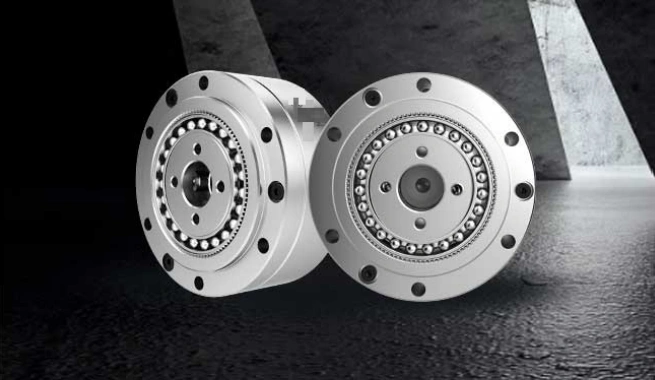
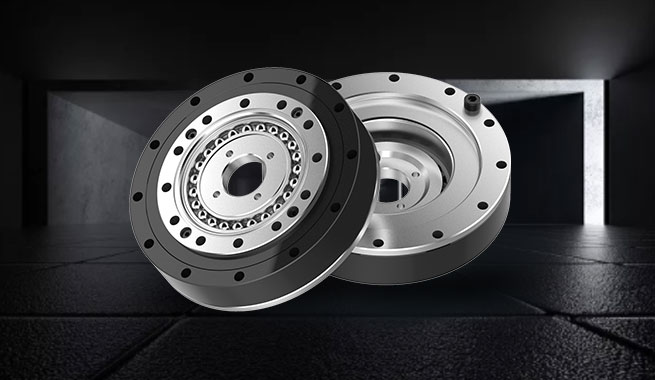
Humanoid robots are emerging as one of the most transformative innovations in modern automation. To replicate the fluid, precise, and versatile movements of the human body, these robots require mechanical components capable of balancing strength, flexibility, and accuracy. At the center of this design lies the harmonic reduction gear, a critical component that ensures joints and limbs function with lifelike motion. PICEA MOTION, recognized globally for its expertise in harmonic drives, has become a leading name in addressing both the potential and the complexity of this technology.
The complexity of humanoid robots lies in their need to replicate human biomechanics. Each joint, from shoulders to wrists, must move with both strength and precision. Harmonic reduction gear systems provide the necessary torque amplification without adding excessive weight or size. Their ability to achieve near-zero backlash ensures smooth and accurate movements, a prerequisite for humanoid robots to interact safely and efficiently in dynamic environments. PICEA MOTION's harmonic reduction gear solutions embody these qualities, enabling engineers to push the limits of robotic design.
In addition, humanoid robots face the challenge of operating under diverse conditions, from delicate manipulations in healthcare to carrying loads in industrial scenarios. Harmonic reduction gears ensure that each motion remains reliable and consistent, even under stress, making them a cornerstone of humanoid robotics.

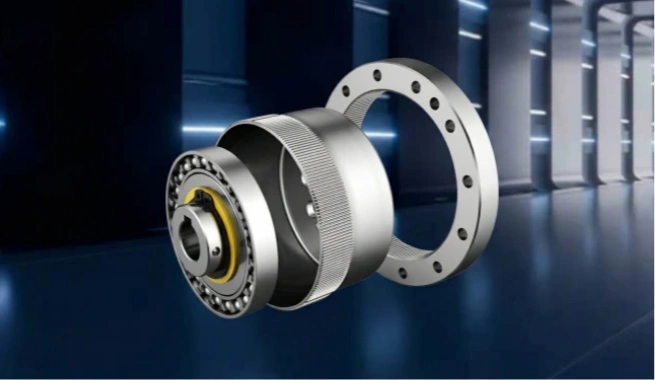
While the benefits of harmonic reduction gear are clear, manufacturing them to meet the rigorous demands of humanoid robots presents significant challenges. The flexible spline, one of the most critical components, must be produced with extreme precision to withstand continuous deformation without compromising strength. Any deviation in material properties or dimensional accuracy can result in performance instability or reduced lifespan.
Furthermore, assembling harmonic reduction gears requires advanced machinery capable of micron-level accuracy. PICEA MOTION has addressed these challenges by importing world-class processing and testing equipment and establishing an industrial robot engineering laboratory. These facilities ensure each gear meets the strict performance requirements necessary for humanoid robotics. Cooperation with universities such as the University of Tokyo and the University of Tsukuba also strengthens research into materials science and mechanical optimization, further overcoming production barriers.

Innovation in design, materials, and production processes is essential to overcoming the inherent challenges of harmonic reduction gear manufacturing. PICEA MOTION has not only invested in world-class facilities but also developed a strong R&D team that integrates cutting-edge technologies into every stage of design. The company's achievements, recognized by multiple awards such as the Golden Finger Innovation Product Award and the World Robotics Congress's Most Innovative Product Award, highlight its role as a pioneer in refining this complex technology.
Through continuous collaboration between industry and research institutions, the company ensures that its harmonic reduction gear products maintain consistency, durability, and adaptability. This approach is vital in an industry where even slight inconsistencies in performance could compromise the reliability of humanoid robots.

As humanoid robotics expands into more industries, from healthcare assistance to service automation, the reliance on harmonic reduction gear will continue to grow. The technology not only ensures the efficiency and accuracy of humanoid robots but also represents the backbone of their mechanical integrity. Companies like PICEA MOTION, which combine advanced manufacturing capabilities with strong academic and industrial partnerships, are actively shaping the trajectory of this rapidly growing sector.
Harmonic reduction gear remains both a technical challenge and a vital enabler in the humanoid robotics revolution. Its success represents the merging of precision engineering and innovative craftsmanship, providing the tools needed for robots to achieve unprecedented human-like performance.

Contact us today to discuss your project requirements and find the perfect harmonic drive solutions.
Contact Us Now
Hi, I am Sophie from Shenzhen PICEA Motion Technology Co, Ltd. I have been working in overseas business trade for more than 5 years. PICEA Motion is a professional manufacturer of precision harmonic gears. Our company integrates R&D, production, sales, and after-sales services.