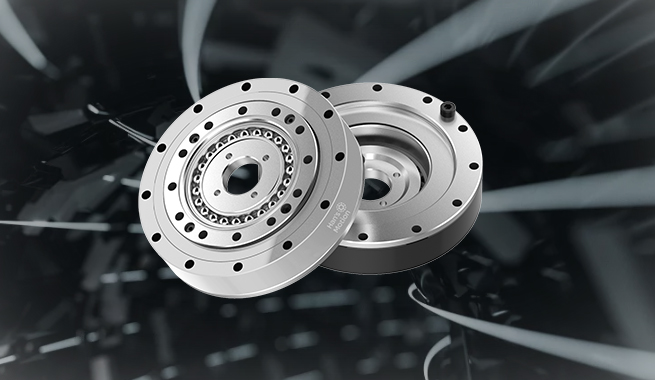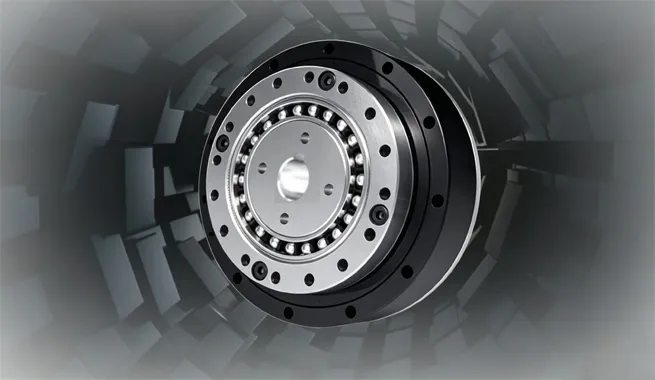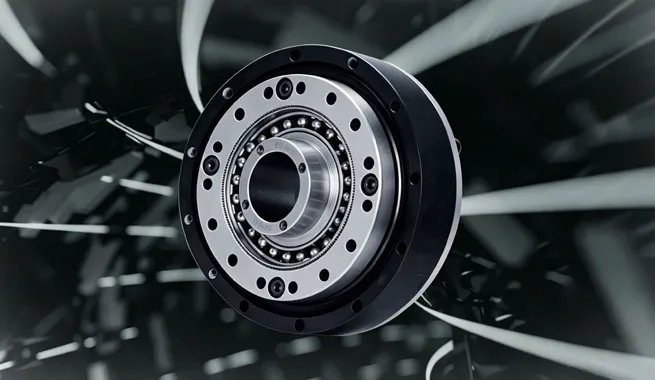
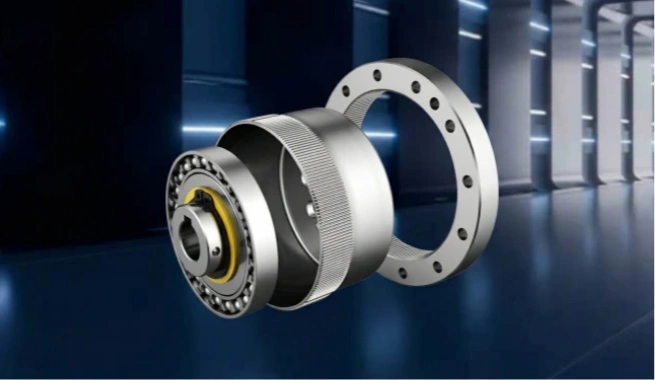
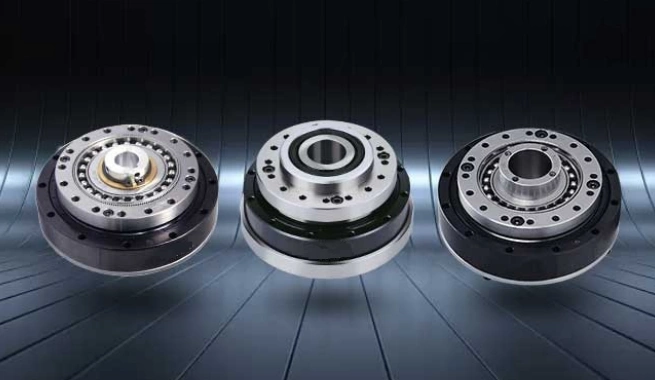
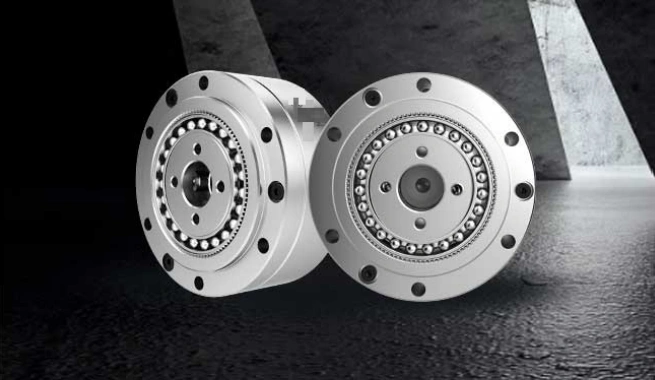
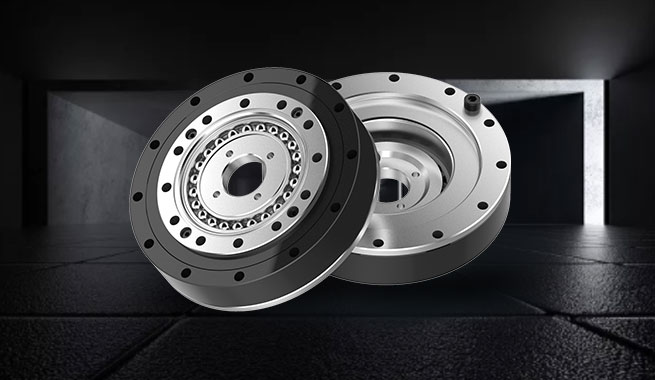
Industrial automation has experienced a significant transformation over the past few decades, and at the core of this advancement is the development of high-performance transmission systems. One of the most important innovations in this area is the harmonic drive strain wave gear, a technology that has proven to be invaluable in applications requiring high precision, compactness, and efficiency. PICEA MOTION has been at the forefront of this innovation, providing state-of-the-art harmonic drives that are revolutionizing the automation industry. This article will explore the role of harmonic drive strain wave gears in industrial automation, examining their advantages and how they contribute to the overall efficiency and precision of automated systems.
Precision is a critical factor in industrial automation, especially in tasks that require exact positioning and repeatability. Harmonic drive strain wave gears are known for their ability to provide exceptional precision, which is essential for industries such as robotics, CNC machining, and assembly lines. The unique working principle of harmonic drives—utilizing elastic deformation to mesh the gears—eliminates backlash, a common issue with traditional gear systems. This ensures that the system delivers smooth, consistent motion without the small errors that could accumulate over time, leading to significant inaccuracies.
In industrial applications, where precision directly correlates with the quality and speed of production, the harmonic drive strain wave gear is particularly valuable. The zero-backlash feature of harmonic drives ensures that robots, CNC machines, and other automated systems can work with the utmost accuracy, even under heavy loads. This is especially crucial in industries like automotive manufacturing, electronics assembly, and semiconductor production, where even minute errors can lead to costly defects or delays.
Moreover, harmonic drive strain wave gears are capable of achieving high torque output in a compact and lightweight design. This makes them ideal for use in automation systems where space is limited but high performance is necessary. For example, robotic arms used in assembly lines or medical robots employed in delicate procedures require high precision and torque, which harmonic drives are uniquely suited to provide.
One of the key advantages of harmonic drive strain wave gears in industrial automation is their ability to simplify mechanical systems. Traditional gear mechanisms often require multiple stages and components to achieve the desired reduction ratio, leading to increased complexity and more moving parts that can wear out over time. Harmonic drives, on the other hand, can achieve high reduction ratios in a single stage, which significantly reduces the number of parts required in a system. This streamlined design not only reduces mechanical complexity but also improves the overall reliability of the system.
The reduction in parts also means that harmonic drive strain wave gears contribute to lighter, more compact systems. This is particularly beneficial in automation applications where space constraints are common, such as in robotics, material handling systems, and assembly lines. The simpler design leads to fewer potential failure points, resulting in lower maintenance requirements and higher uptime for automated systems.
For industries that rely on 24/7 operations, such as automotive manufacturing or electronics production, the reliability of harmonic drive systems is crucial. The simplicity of the strain wave gear system reduces the likelihood of breakdowns, helping to keep production lines running smoothly and minimizing the need for costly repairs or downtime.
As energy efficiency becomes an increasingly important consideration in industrial automation, harmonic drive strain wave gears offer a distinct advantage. These gears are known for their high efficiency in power transmission, meaning that less energy is lost in the process compared to traditional gear systems. In automated systems, where high power output and minimal energy waste are essential for keeping operational costs down, the efficiency of harmonic drives plays a key role in improving overall system performance.
In addition to their energy efficiency, harmonic drive strain wave gears are highly durable and capable of withstanding heavy loads without significant wear. The materials used in the construction of these gears, along with their design, allow them to maintain high performance over extended periods of use, even in demanding environments. For industrial automation systems that require continuous operation, such as those in packaging or assembly, the long-lasting durability of harmonic drives ensures that systems remain operational for longer, reducing the need for replacements or repairs.
Furthermore, the compact design of harmonic drives contributes to their durability. By reducing the number of parts and minimizing mechanical stress, harmonic drives experience less wear and tear, ensuring that automation systems remain reliable even under challenging conditions. This makes them an ideal choice for industries with high-volume production demands, where reliability and longevity are paramount.
In addition to precision, many industrial automation systems require high-speed operation to meet production demands. Harmonic drive strain wave gears are particularly advantageous in high-speed applications due to their ability to deliver both high torque and high speed in a compact form. The unique design of harmonic drives allows them to operate efficiently at high rotational speeds without sacrificing performance or generating excessive heat, making them ideal for use in high-speed robots, conveyors, and other automated systems.
For example, in packaging and sorting systems, where high-speed operation is essential for handling large volumes of materials, harmonic drive strain wave gears provide the necessary torque and precision to maintain fast yet controlled motion. This ability to balance speed and torque is a key feature that sets harmonic drives apart from other transmission systems, making them indispensable in industries like food processing, pharmaceuticals, and consumer goods manufacturing, where both speed and accuracy are required.
Moreover, as automation systems continue to evolve with advancements in AI and machine learning, the demand for high-speed, adaptive systems will only increase. Harmonic drive strain wave gears are well-suited to meet these demands, enabling robots and automated systems to operate at faster speeds without compromising on accuracy or reliability.
Looking forward, the role of harmonic drive strain wave gears in industrial automation will continue to expand as the technology advances. With the ongoing development of more advanced materials, manufacturing techniques, and integration with smart systems, harmonic drives are expected to become even more efficient, durable, and versatile.
As automation systems become increasingly complex and require higher levels of precision and adaptability, the need for reliable, high-performance transmission systems like harmonic drive strain wave gears will only grow. Their ability to deliver high torque, precision, and energy efficiency in a compact design makes them ideal for the next generation of industrial robots, collaborative robots, and automated systems.
Furthermore, with the growing emphasis on sustainability in manufacturing, harmonic drive strain wave gears' energy efficiency and long lifespan make them a valuable component of green automation solutions. As industries look to reduce their environmental footprint, the adoption of harmonic drives will play a key role in supporting more sustainable and efficient production practices.
In conclusion, harmonic drive strain wave gears are critical to the continued advancement of industrial automation. By enhancing precision, simplifying system design, improving energy efficiency, and supporting high-speed operation, these gears are helping to drive the future of automation.
Contact us today to discuss your project requirements and find the perfect harmonic drive solutions.
Contact Us Now
Hi, I am Sophie from Shenzhen PICEA Motion Technology Co, Ltd. I have been working in overseas business trade for more than 5 years. PICEA Motion is a professional manufacturer of precision harmonic gears. Our company integrates R&D, production, sales, and after-sales services.