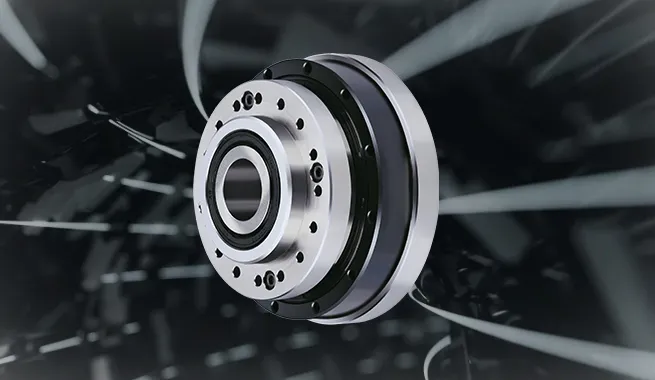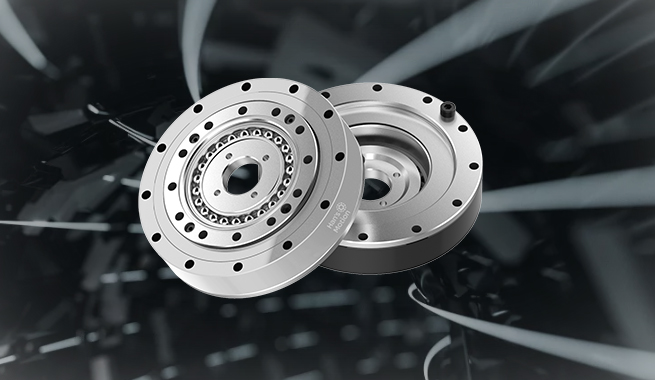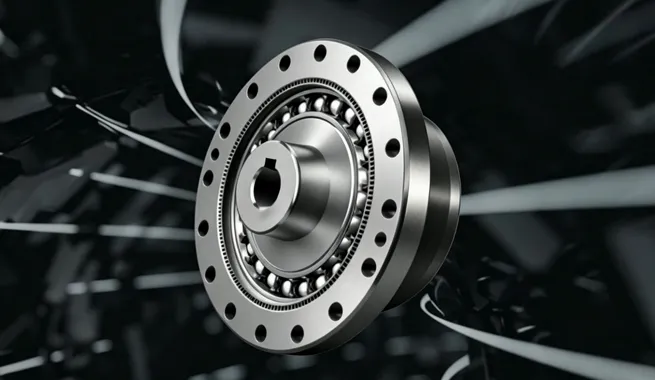
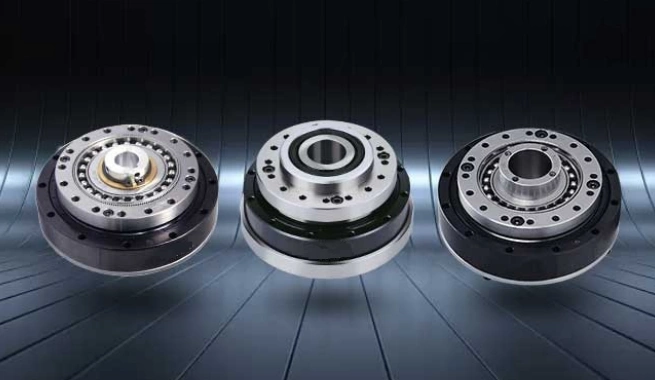
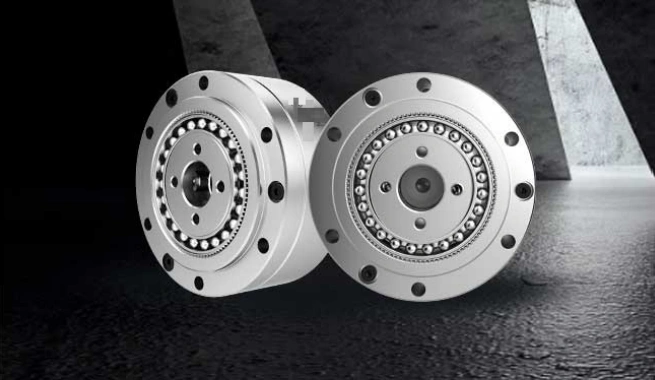
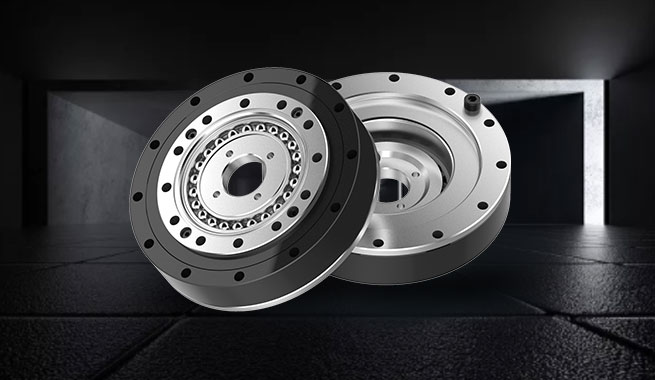
In the rapidly evolving aerospace industry, precision and reliability are paramount. Harmonic drive technologies have become essential components in aerospace systems, providing high-precision motion control, compact designs, and exceptional torque-to-weight ratios. These characteristics make harmonic drives ideal for satellite positioning systems, robotic arms for spacecraft, and advanced aircraft control surfaces. PICEA MOTION, a leader in precision harmonic drive solutions, has combined extensive technical expertise, rigorous quality standards, and innovative engineering to ensure that their drives meet the demanding requirements of aerospace applications. Understanding the role and advantages of harmonic drives is crucial for engineers and designers working in high-stakes environments where every gram of weight and every fraction of a degree in precision matters.
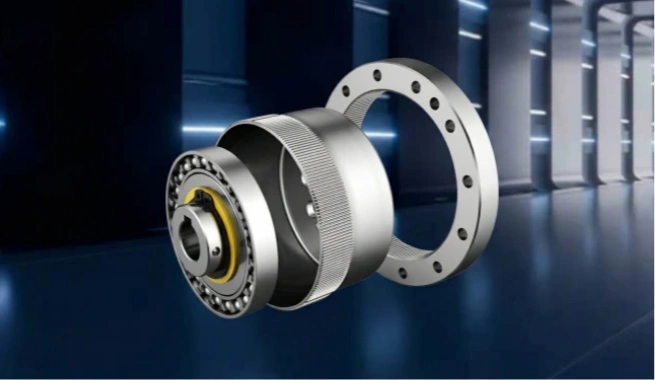
The aerospace sector demands components that perform reliably under extreme conditions, including temperature variations, high vibration, and mechanical stress. Harmonic drive technologies excel in these environments due to their unique operational principles. The system consists of a wave generator, flexspline, and circular spline, where the flexspline elastically deforms as the wave generator rotates. This configuration produces highly accurate motion transfer without the backlash typically seen in traditional gearing systems. PICEA MOTION leverages advanced manufacturing techniques and precise material selection to ensure that each drive maintains consistent performance in high-altitude and high-stress conditions, making them suitable for both terrestrial and space applications.

The selection of materials plays a pivotal role in the durability and performance of harmonic drives in aerospace settings. High-strength alloys and surface treatments are employed to reduce wear and maintain performance over extended operational cycles. PICEA MOTION integrates world-class processing and testing equipment to ensure that every harmonic drive is engineered with extreme precision. Their industrial robot engineering laboratory allows for rigorous testing of the drives under simulated aerospace conditions, verifying that torque output, rotational accuracy, and fatigue resistance meet stringent industry standards.

Feature | Harmonic Drive Technologies | Conventional Aerospace Gear Systems |
Backlash | Near-zero, ensuring precise motion | Significant, reducing positional accuracy |
Torque-to-Weight Ratio | High, supports lightweight and compact design | Lower, often bulkier and heavier |
Precision Repeatability | Excellent, critical for satellite and control systems | Moderate, less reliable under load |
Maintenance Requirements | Moderate with proper lubrication | High, frequent inspection needed |
Flexibility in Design | High, allows multi-axis integration in constrained spaces | Limited, less adaptable for compact systems |
This comparison demonstrates why harmonic drives are increasingly favored in aerospace over conventional gear systems. Their ability to combine precision, compactness, and robustness makes them uniquely suited to meet the sector’s rigorous demands.

Harmonic drives are employed in a wide range of aerospace applications, from satellite orientation mechanisms to robotic manipulators for spacecraft assembly and maintenance. In satellites, harmonic drives provide precise actuation for antenna positioning and solar panel alignment. In manned spacecraft, they enable robotic arms to perform delicate tasks such as module docking, equipment handling, and scientific experiments. The high torque density, minimal backlash, and repeatable performance of PICEA MOTION’s harmonic drives ensure these operations can be conducted reliably even in microgravity or high-vibration environments.

Ensuring long-term performance of harmonic drives in aerospace requires careful consideration of load limits, alignment, and environmental conditions. Overloading, contamination, or misalignment can reduce operational life and compromise mission-critical performance. PICEA MOTION designs its drives with robust stress distribution and incorporates advanced quality control measures, enabling reliable operation over extended cycles. Proper monitoring, maintenance, and adherence to operational parameters are essential to maintaining accuracy, torque performance, and longevity, particularly in aerospace applications where component failure can have significant consequences.

Contact us today to discuss your project requirements and find the perfect harmonic drive solutions.
Contact Us Now
Hi, I am Sophie from Shenzhen PICEA Motion Technology Co, Ltd. I have been working in overseas business trade for more than 5 years. PICEA Motion is a professional manufacturer of precision harmonic gears. Our company integrates R&D, production, sales, and after-sales services.