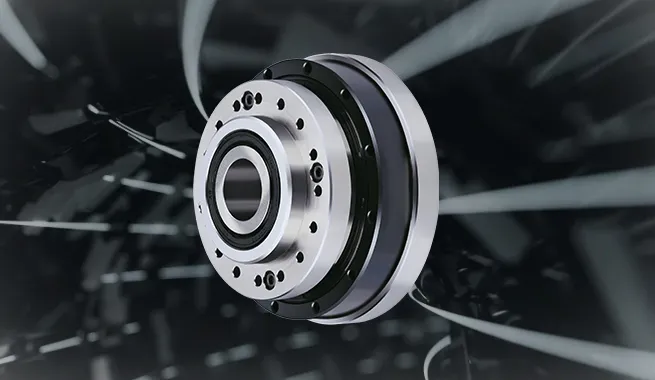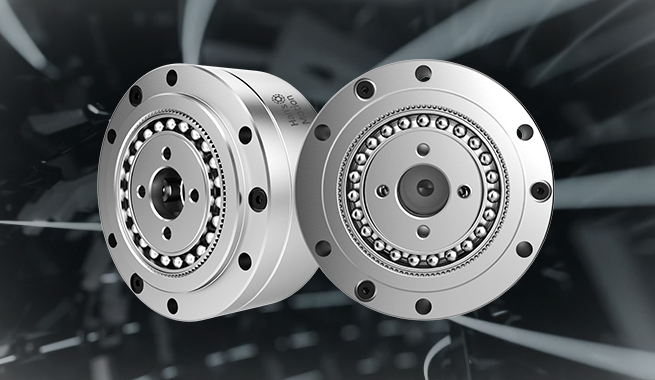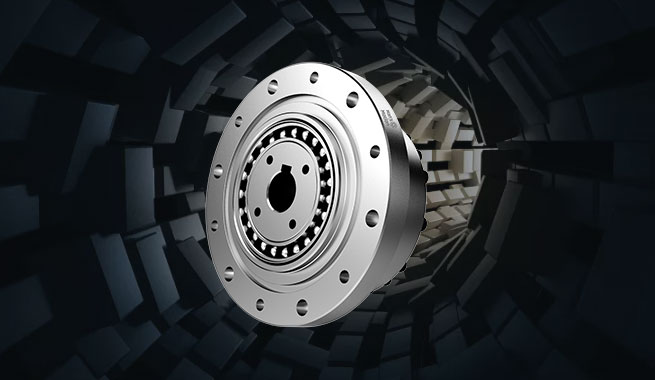
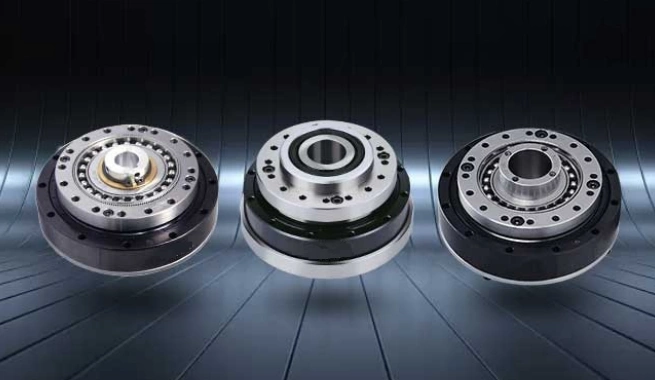
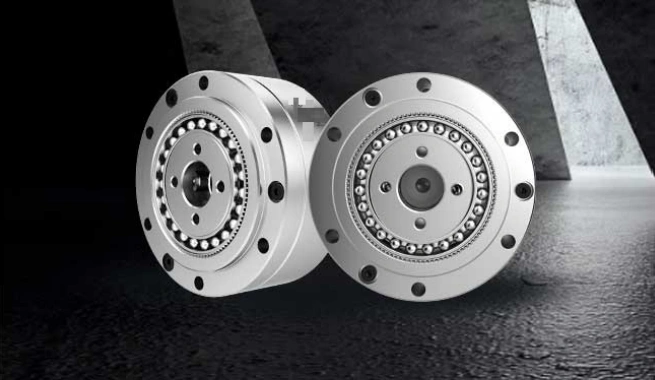
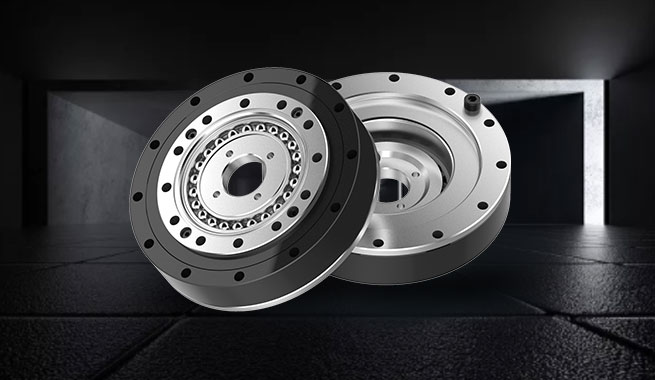
Precision in robotics is a critical factor, particularly when robots are deployed in applications that demand exact movement, such as surgery, manufacturing, or assembly. One of the most crucial components that contribute to high precision in robotic systems is the harmonic drive. A robot harmonic drive enables flawless control, enhanced accuracy, and superior performance in a variety of robotic tasks. PICEA MOTION offers cutting-edge harmonic drive solutions designed to optimize robotic precision and deliver reliable, high-quality results. Let's delve into how harmonic drives improve precision in robotics and why they are essential for modern robotic systems.
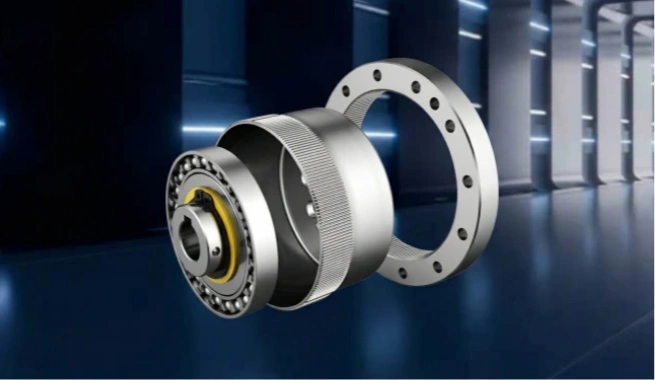
Robot harmonic drives are specifically designed to provide exceptional accuracy in robotic movements. They achieve this through their unique design, which uses a wave generator, a flexible spline, and a rigid spline. This mechanism allows for high reduction ratios while minimizing backlash, which is crucial for maintaining precise movement control. The low backlash is a key factor in ensuring that robotic systems, such as robotic arms or surgical robots, can execute tasks with high accuracy. With minimal backlash, harmonic drives allow for smoother, more controlled movements, which are essential in applications that demand fine positioning and precision, such as assembly lines or delicate surgical procedures.
The minimal backlash inherent in robot harmonic drives plays a significant role in improving precision. Backlash occurs when there's a slight gap between gears, causing an undesirable shift or lag in movement. This can be detrimental in high-precision tasks, where even the smallest deviation can lead to errors. Harmonic drives, with their near-zero backlash design, eliminate this issue, ensuring that robotic movements are consistent and predictable. This is especially important in robotic systems used in critical applications such as surgery or micro-manufacturing, where the slightest misalignment can lead to costly mistakes. With harmonic drives, robots can execute tasks with greater reliability and accuracy, making them indispensable in high-precision environments.
One of the significant advantages of robot harmonic drives is their ability to provide fine movement control. Harmonic drives can deliver high torque in a compact form factor, enabling robots to make precise adjustments without requiring bulky gear mechanisms. This makes them perfect for applications in confined spaces or where robots need to perform intricate tasks. The high torque-to-weight ratio of harmonic drives allows robots to maintain exceptional control over their movements, even when handling small or delicate components. This is crucial in tasks such as assembly of microelectronics or in surgical procedures, where precision is key to achieving the desired outcome.
The efficiency and compact design of harmonic drives contribute to their ability to enhance precision in robotics. Because harmonic drives are lightweight and energy-efficient, they allow robotic systems to perform with high accuracy while minimizing energy consumption. In addition, their compactness makes them ideal for systems that need to operate in space-constrained environments, such as in medical robots or robotic arms used in aerospace applications. By providing high torque with minimal size and energy loss, harmonic drives enable robots to perform tasks more efficiently, without compromising on precision. This efficiency is essential for applications that require continuous operation or that need to maximize productivity while maintaining high levels of accuracy.
Contact us today to discuss your project requirements and find the perfect harmonic drive solutions.
Contact Us Now
Hi, I am Sophie from Shenzhen PICEA Motion Technology Co, Ltd. I have been working in overseas business trade for more than 5 years. PICEA Motion is a professional manufacturer of precision harmonic gears. Our company integrates R&D, production, sales, and after-sales services.