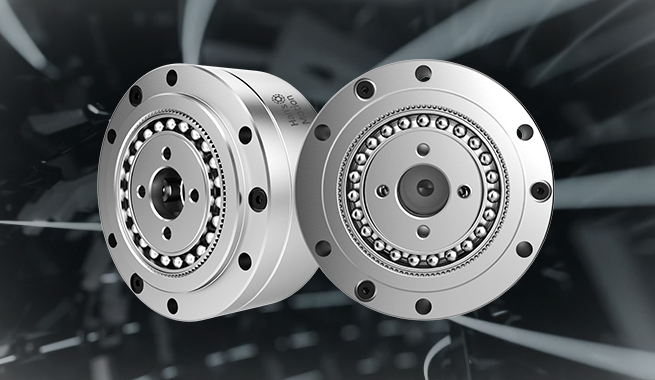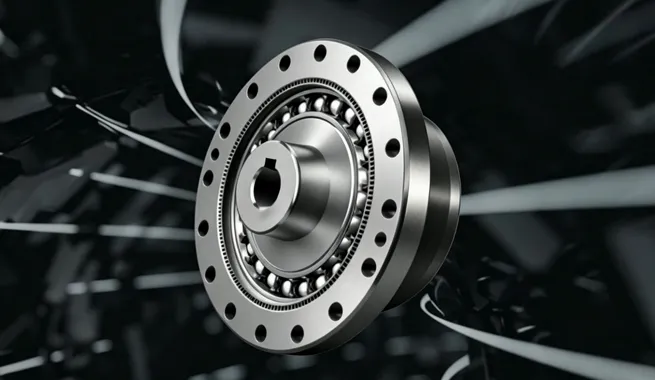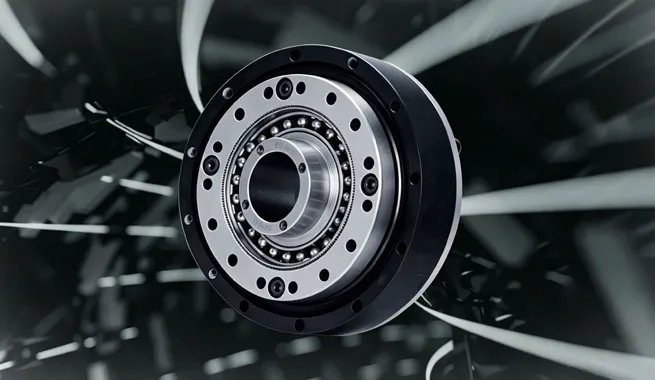
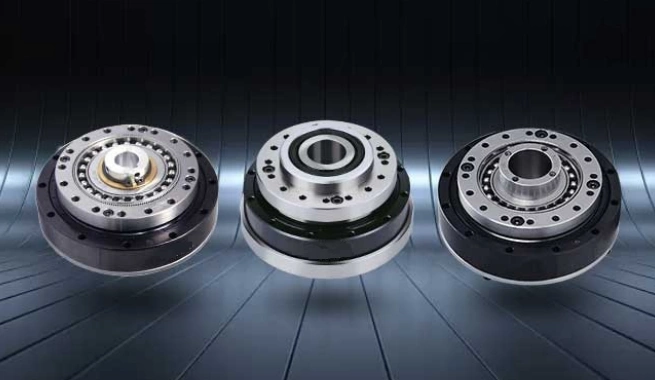
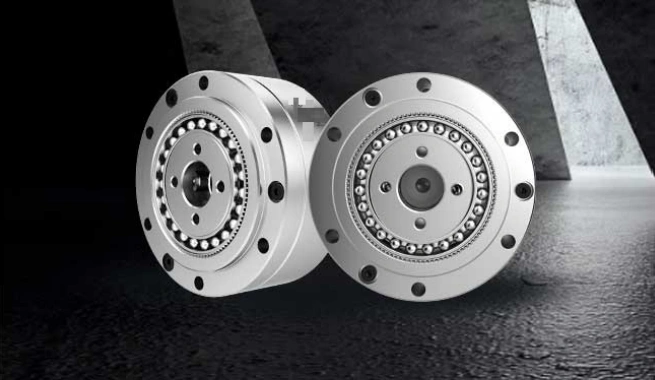
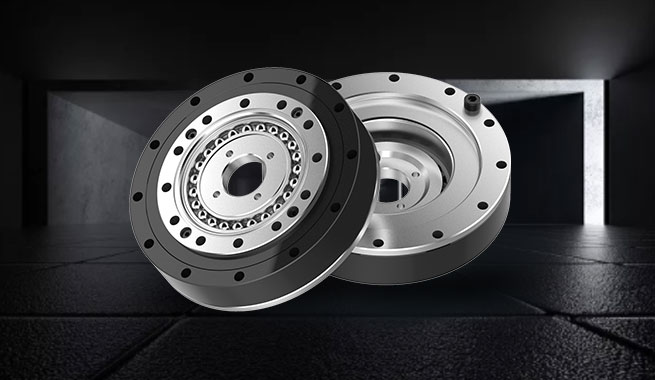
As robotic technology continues to evolve, especially in the fields of service and industrial robots, enhancing the precision and flexibility of robots has become a central focus. In humanoid robot design, one of the biggest challenges is simulating natural human movement and achieving high-precision joint control. Harmonic reducers, as an innovative mechanical transmission technology, have become an indispensable core component in the joint systems of humanoid robots. The harmonic reducers provided by PICEA MOTION play a vital role in improving the flexibility, precision, and stability of robots.
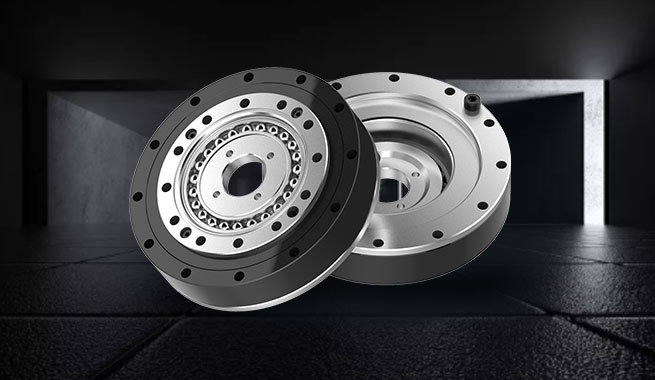
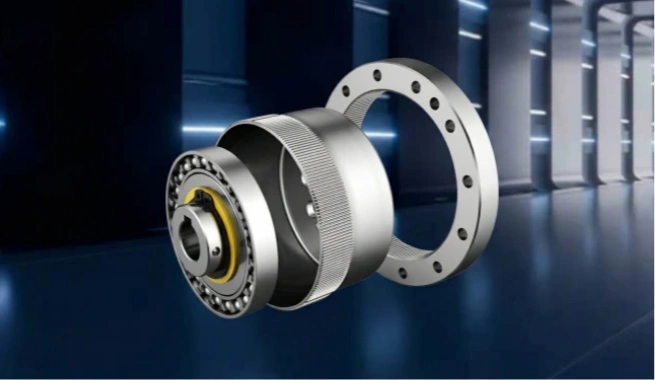
Harmonic reducers operate based on a unique principle, combining a wave generator, a flexible spline, and a rigid spline to achieve high reduction ratios while maintaining extremely low backlash. This feature allows harmonic reducers to provide high torque output without increasing size, which is essential for the precision control required in humanoid robot joints. The joints of humanoid robots must replicate human movement with exceptional accuracy, especially in complex tasks such as walking, gesturing, or manipulating objects. The low backlash and high torque capacity of harmonic reducers make them ideal for these applications, ensuring that the robot's movements are smooth, precise, and responsive, mimicking the natural dynamics of human joints.
For humanoid robots, fluid and natural movement is crucial to ensure effective interaction with humans and the environment. Harmonic reducers are instrumental in achieving these smooth movements. Their unique design minimizes backlash, which helps reduce the jerky or unintended motion that could result from mechanical play in traditional gear systems. As a result, robotic joints equipped with harmonic reducers move more fluidly, allowing humanoid robots to perform tasks like walking or gesturing with a level of precision and fluidity that is essential for realistic human-robot interaction. In robotics applications where high-speed, high-precision movements are necessary, such as in robotic arms or legs, harmonic reducers help the robot achieve these goals while maintaining reliability and durability.
One of the key advantages of harmonic reducers is their compact size and efficiency, which are critical for humanoid robots. Unlike traditional gear systems, harmonic reducers can provide high torque in a much smaller footprint. This is essential in humanoid robot design, where space is often limited, especially in the joints and actuators that control limb movements. By using harmonic reducers, engineers can achieve high torque output while keeping the overall size of the robot's joints compact. Additionally, harmonic reducers are energy-efficient, reducing power loss during operation, which is vital for robots that need to operate continuously and autonomously for extended periods. The combination of compactness and efficiency makes harmonic reducers the perfect solution for humanoid robots that require both powerful performance and minimal size.
Humanoid robots are expected to perform a wide range of tasks, many of which involve repetitive movements or heavy lifting. For these robots to function reliably over long periods, their joint systems must be durable and stable. Harmonic reducers excel in this area due to their robust design, which helps to distribute mechanical stress evenly across the system. This reduces wear and tear on the joints and other moving parts, extending the robot's operational lifespan. The durability of harmonic reducers is particularly important in humanoid robots designed for real-world applications, such as service robots or those used in hazardous environments, where reliability and longevity are paramount.
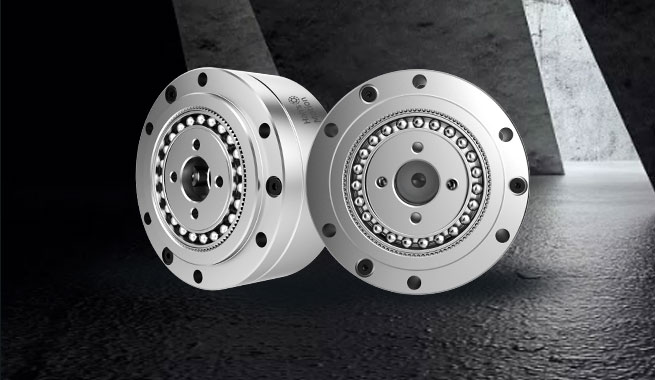
PICEA MOTION's harmonic reducers are designed with the highest standards of performance and reliability in mind, making them an ideal solution for humanoid robot applications. With their ability to provide high torque, low backlash, and compact size, these reducers enable humanoid robots to achieve the precise, fluid, and stable movement required for a variety of tasks. Whether it's for advanced robotics in research, manufacturing, or healthcare, PICEA MOTION's harmonic reducers are engineered to enhance the overall performance and functionality of humanoid robots. These components are integral to the continued development of robots that can interact seamlessly with humans, providing both practical solutions and innovative advancements in robotic mobility.
Contact us today to discuss your project requirements and find the perfect harmonic drive solutions.
Contact Us Now
Hi, I am Sophie from Shenzhen PICEA Motion Technology Co, Ltd. I have been working in overseas business trade for more than 5 years. PICEA Motion is a professional manufacturer of precision harmonic gears. Our company integrates R&D, production, sales, and after-sales services.