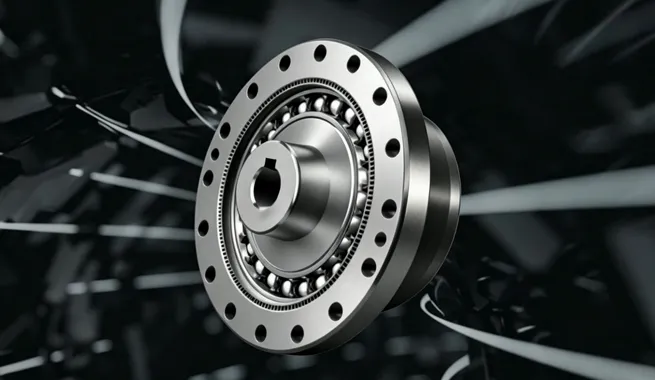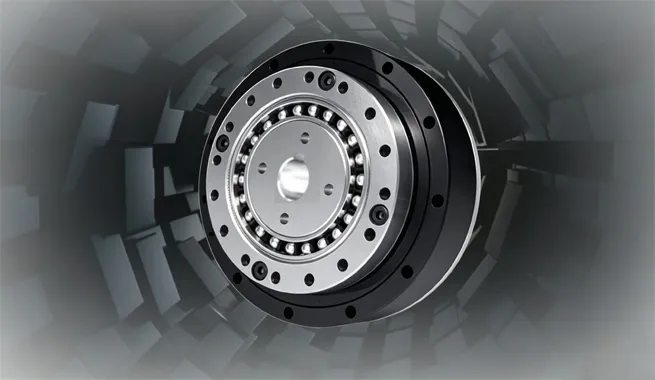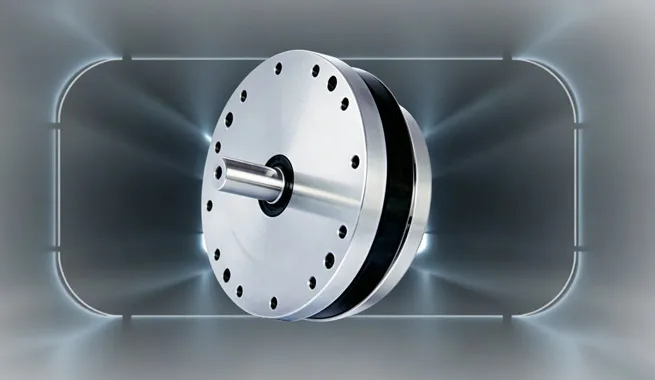
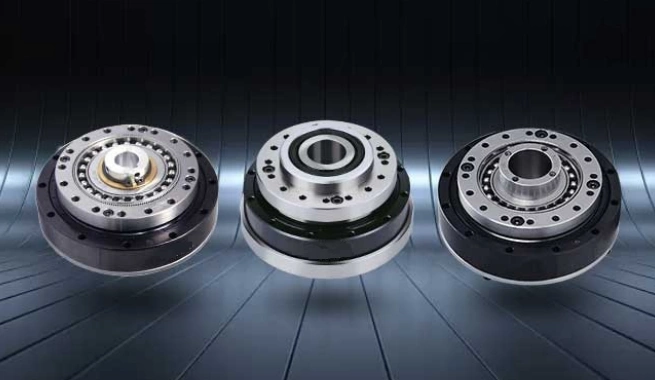
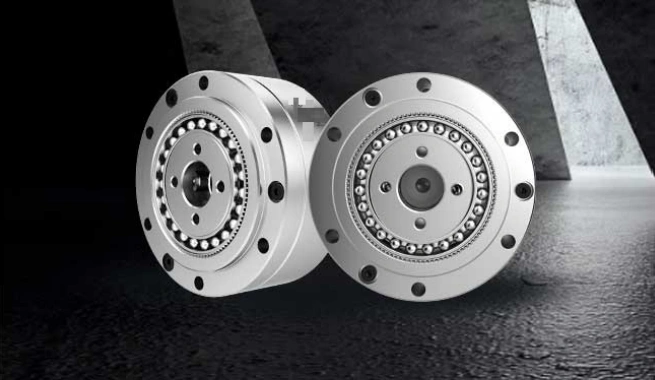
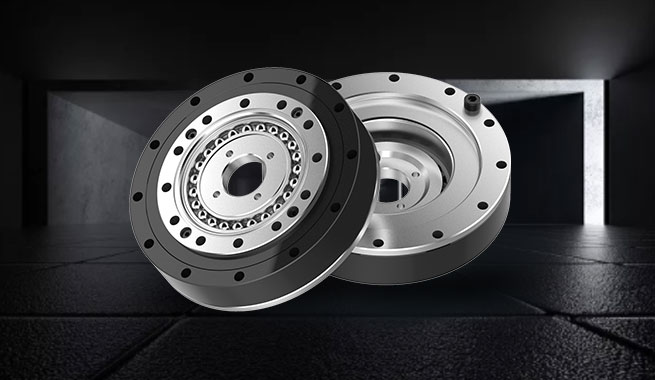
In the world of robotics, achieving both flexibility and accuracy in movement is a constant challenge. At the heart of many advanced robots lies the harmonic reduction gear, a compact yet powerful component that enables smooth, precise, and efficient motion control. Companies such as PICEA MOTION have elevated this technology to new heights, providing innovative gear solutions that meet the growing demands of modern automation and intelligent systems.
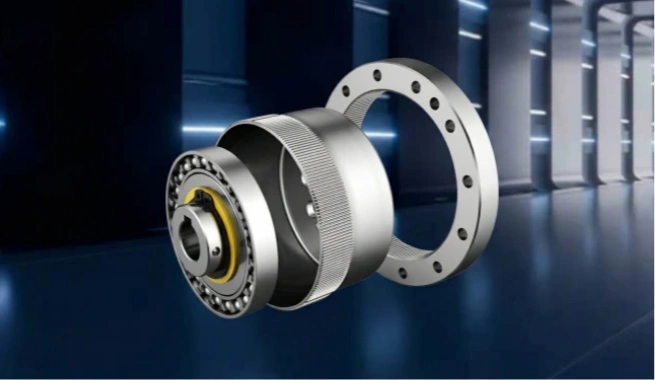
The performance of a robot depends heavily on its ability to control each joint with a high degree of accuracy. Traditional gear systems often suffer from backlash and uneven torque transmission, which can compromise delicate operations such as surgical procedures, precision assembly, or collaborative human-robot interaction. A harmonic reduction gear, with its unique design using a wave generator, flexspline, and circular spline, minimizes backlash to nearly zero while delivering consistent torque output. This makes it indispensable in robotic arms, humanoid robots, and industrial automation where precision and reliability are non-negotiable.

Robotic joints require not only power but also seamless coordination to mimic human-like motion or execute repetitive industrial tasks with accuracy. Harmonic reduction gears excel in meeting these requirements by combining strength and finesse. In robotic arms used for welding or pick-and-place operations, they ensure exact positioning while maintaining energy efficiency. In medical robotics, these gears enable surgeons to perform minimally invasive operations with enhanced control and safety. The extensive application of these gears reflects their critical role in advancing intelligent automation.

The demand for advanced robotics has driven continuous innovation in harmonic reduction gear design and production. PICEA MOTION has invested heavily in R&D and international cooperation, working with institutions such as the University of Tokyo and the University of Tsukuba. By integrating world-class processing and testing equipment into production lines, the company ensures gears that meet the strictest global standards. These efforts have led to patents, software copyrights, and multiple international awards, underlining the company's contribution to the advancement of precision motion technology.

The value of harmonic reduction gear extends beyond immediate performance gains. Its durability, low maintenance needs, and capacity for precise motion control create long-term benefits for robotics manufacturers and end-users. Robots equipped with these gears experience fewer breakdowns, operate with greater energy efficiency, and achieve higher levels of productivity. In a competitive market where reliability and efficiency determine success, harmonic reduction gears form the cornerstone of sustainable robotic innovation.

Contact us today to discuss your project requirements and find the perfect harmonic drive solutions.
Contact Us Now
Hi, I am Sophie from Shenzhen PICEA Motion Technology Co, Ltd. I have been working in overseas business trade for more than 5 years. PICEA Motion is a professional manufacturer of precision harmonic gears. Our company integrates R&D, production, sales, and after-sales services.