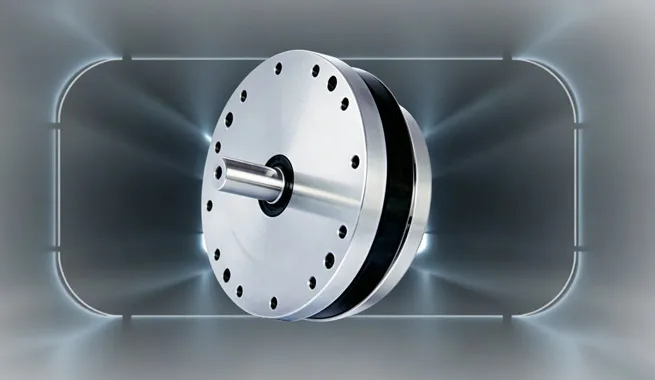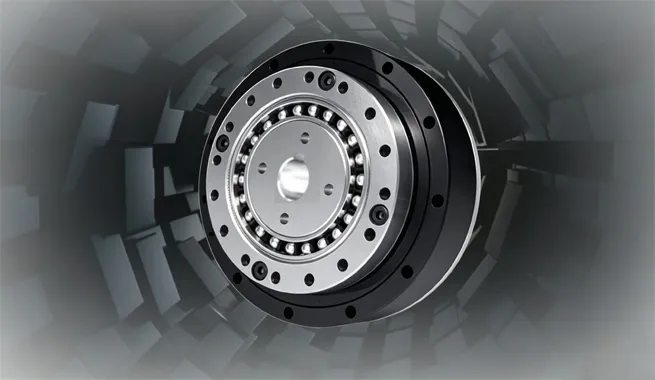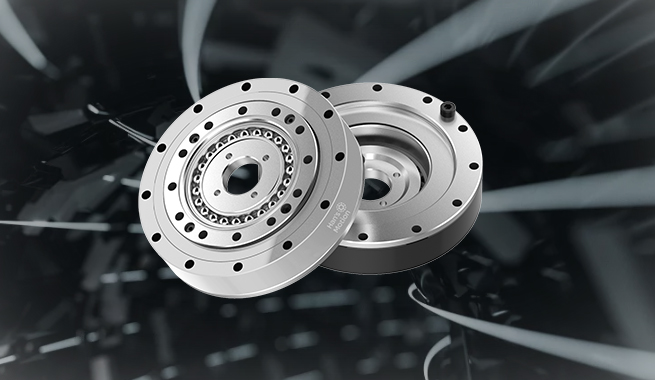
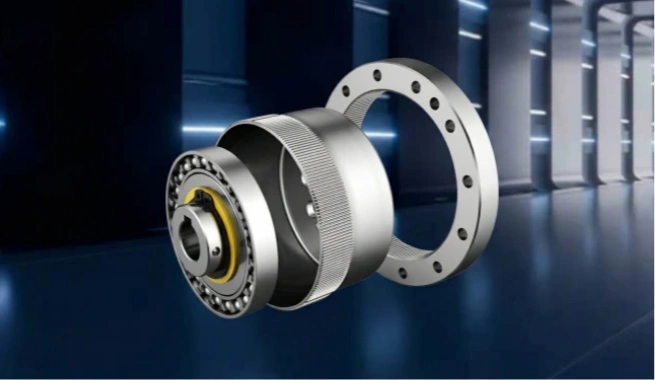
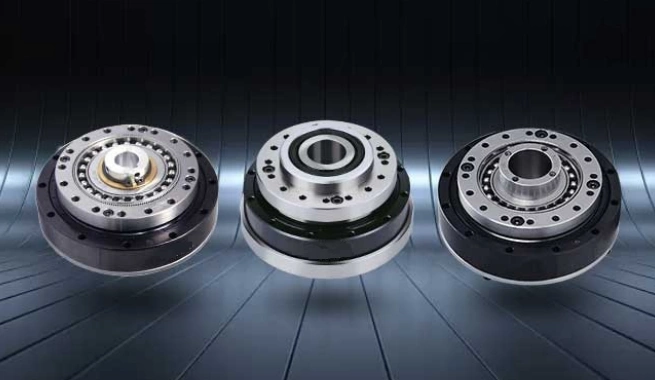
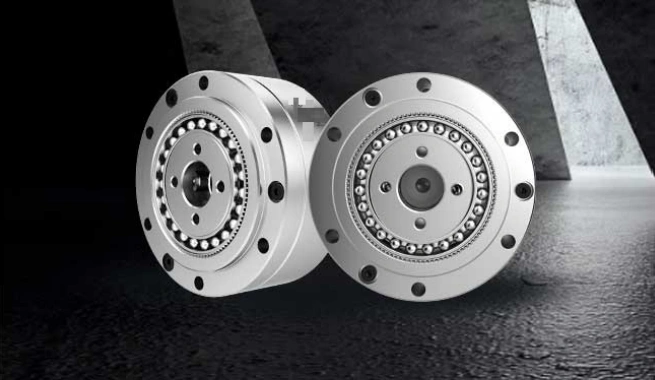
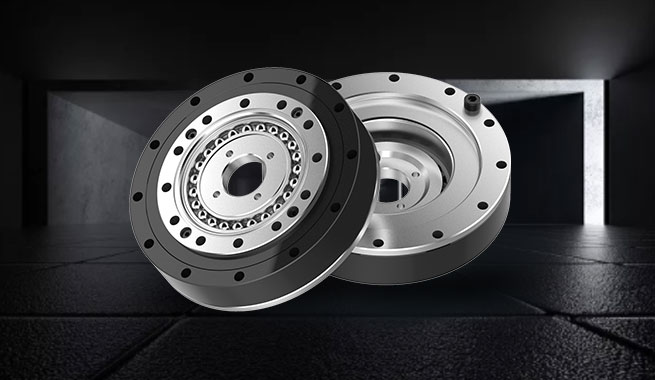
In modern robotics, precision and reliability are critical to achieving optimal performance. The robot harmonic drive is a core component widely used in industrial and service robots, offering exceptional torque density, minimal backlash, and compact form factors. These characteristics make harmonic drives ideal for robotic joints and automated systems. PICEA MOTION, a leading manufacturer of precision transmission systems, has developed advanced robot harmonic drives that integrate cutting-edge technology with meticulous craftsmanship, ensuring high performance across a range of applications. Understanding the proper usage and maintenance of these devices is essential for maximizing their efficiency and lifespan.
The correct installation of a robot harmonic drive significantly affects its operational stability. Alignment between the input shaft and the harmonic drive must be precise to prevent uneven load distribution, which can lead to premature wear or reduced efficiency. The bearing supports and mounting surfaces should be rigid and free of vibrations, as even minor deviations can amplify stress on the flexible spline and circular spline, potentially reducing the service life of the drive. PICEA MOTION employs high-precision manufacturing standards, ensuring that each harmonic drive meets stringent tolerances, which simplifies installation and promotes long-term reliability in robotics applications.

Proper lubrication is essential to maintain the performance of robot harmonic drives. Harmonic drives in robotics often operate in high-cycle environments, requiring lubricants that can withstand repeated motion and resist thermal degradation. Regular inspection and timely replacement of lubricant prevent the buildup of debris and reduce frictional losses. The design of PICEA MOTION's robot harmonic drives allows for efficient distribution of high-quality lubricants, optimizing performance while minimizing maintenance frequency. Furthermore, maintenance schedules should align with operational load conditions, environmental factors, and the intensity of usage to ensure consistent performance over time.

Managing load and torque is another critical aspect of robot harmonic drive operation. Overloading or shock loads can compromise the integrity of the flexible spline and reduce the drive's lifespan. Robot designers should carefully calculate torque requirements, taking into account acceleration, deceleration, and peak load conditions. PICEA MOTION's harmonic drives offer high torque-to-weight ratios, enabling compact robotic designs without sacrificing mechanical performance. Proper integration of these drives with motor controllers and torque sensors allows for smooth and precise joint movements, which is essential in robotic applications ranging from assembly lines to service robotics.

Environmental conditions play a significant role in the performance of robot harmonic drives. Temperature fluctuations, humidity, dust, and vibration can affect the drive's mechanical and lubrication systems. For optimal performance, robot harmonic drives should be protected from extreme conditions and integrated into systems that mitigate environmental impacts. PICEA MOTION harmonics are designed to maintain stability and reliability even under challenging operating conditions, ensuring longevity in a wide range of robotic applications.
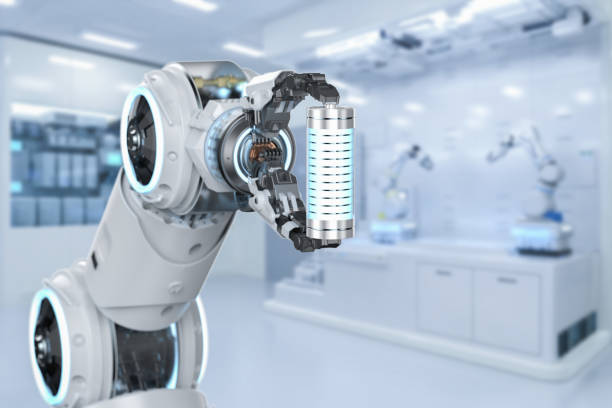
Regular inspection and monitoring of robot harmonic drives are vital to detect early signs of wear, misalignment, or lubrication deficiencies. Utilizing sensors to track torque, vibration, and temperature can help predict maintenance needs before critical failures occur. PICEA MOTION's precision harmonic drives benefit from robust engineering, which reduces the frequency of unexpected maintenance while enabling high operational uptime. Adhering to inspection schedules and performance monitoring protocols ensures that robotic systems maintain accuracy, safety, and operational efficiency throughout their service life.
Contact us today to discuss your project requirements and find the perfect harmonic drive solutions.
Contact Us Now
Hi, I am Sophie from Shenzhen PICEA Motion Technology Co, Ltd. I have been working in overseas business trade for more than 5 years. PICEA Motion is a professional manufacturer of precision harmonic gears. Our company integrates R&D, production, sales, and after-sales services.