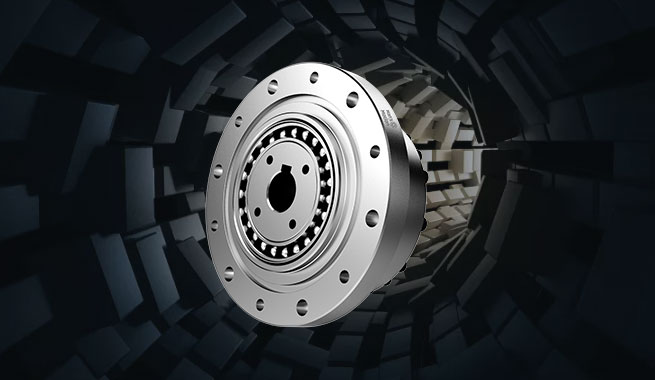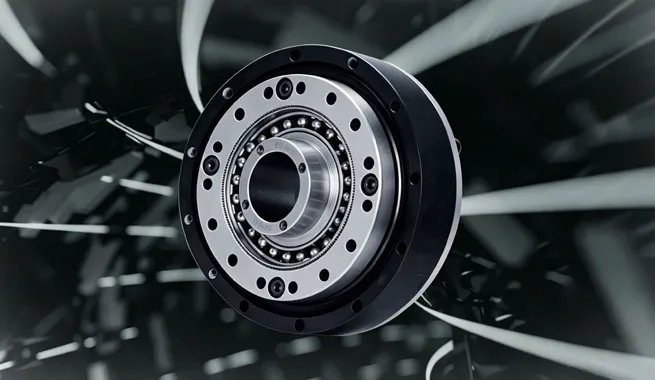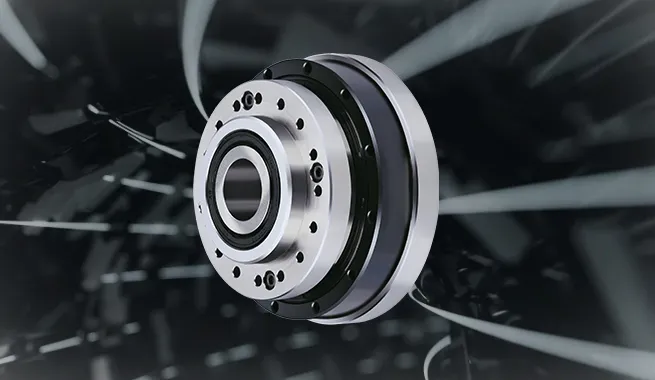
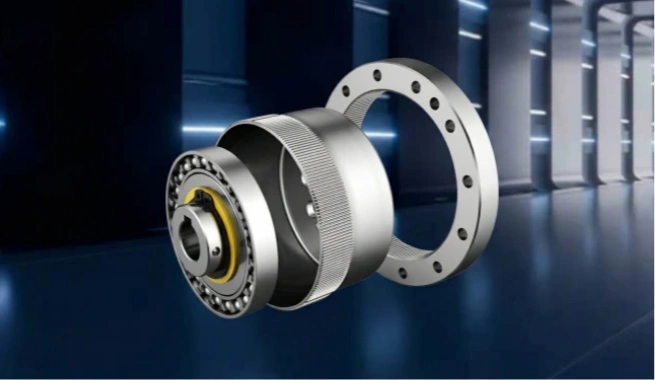
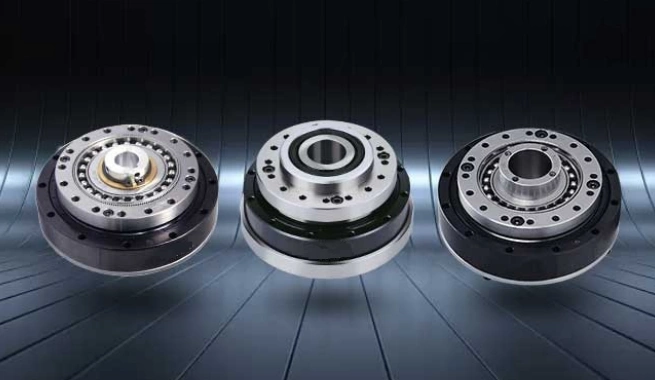
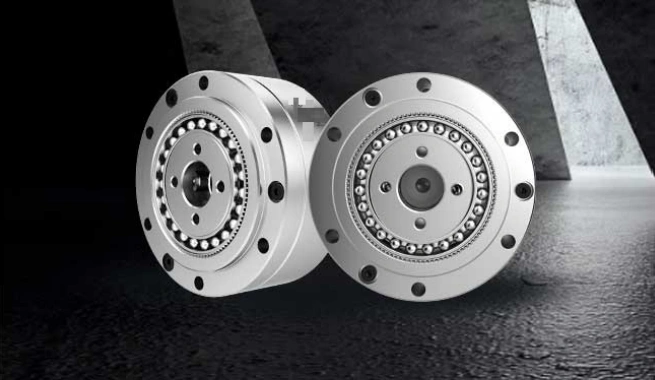
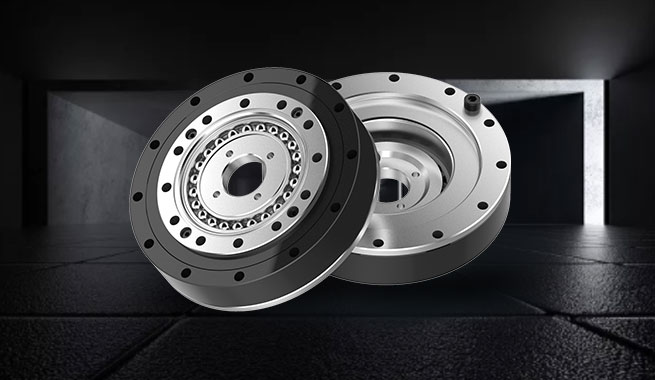
In the rapidly advancing field of robotics, the quest for precision, efficiency, and compact design is paramount. Humanoid robots, in particular, require highly sophisticated components that can mimic human motion with incredible accuracy. Among these essential components, the harmonic drive plays a pivotal role in achieving the desired level of precision, power, and durability. As a leading manufacturer of harmonic drives, PICEA Motion has been at the forefront of providing innovative solutions for robotic applications, especially in the area of humanoid robots. This article explores why harmonic drives have become a core part of humanoid robots and how they contribute to their functionality.
Humanoid robots are designed to replicate human movements, which necessitates the use of highly efficient and precise components. The harmonic drive is ideal for this application due to its ability to deliver high torque in a compact form factor, with minimal backlash. Unlike traditional gear systems, which can be bulky and less efficient, the harmonic drive system achieves higher precision while saving space, making it perfect for robots that need to operate in constrained environments. PICEA Motion's harmonic drives are known for their robustness and ability to function seamlessly in highly demanding robotic applications, such as humanoid robots.
The compact nature of harmonic drives allows them to be integrated into joints and other critical areas of humanoid robots, where space is often limited. They help these robots perform fluid and human-like movements, from walking to grasping objects. This is especially important in robots designed for delicate tasks, such as those used in medical fields or research environments, where precision is crucial. The harmonic drive robot system enables these tasks to be performed with a high degree of accuracy.

One of the most critical attributes of harmonic drives is their ability to deliver high torque output in a very compact design. This feature is essential for humanoid robots, which need to move limbs and other parts that require substantial force but must do so within the constraints of a limited form factor. The high torque-to-weight ratio of harmonic drives makes them much more efficient than traditional gear systems. PICEA Motion, as a recognized leader in harmonic drive technology, ensures that their drives meet the rigorous demands of the robotics industry by offering robust, high-performance products that are capable of handling the torque requirements of humanoid robots.
In the case of humanoid robots, the torque generated by harmonic drives is used to control the movement of joints, such as elbows, knees, and wrists. This high-torque output ensures that the robot's movements are powerful yet precise, allowing for complex tasks like lifting objects or navigating varied terrain. The superior torque capabilities of harmonic drives contribute to the robot's ability to perform a wide range of tasks, from simple gestures to more intricate movements, all while maintaining a high level of accuracy.

Backlash, or the slight delay that occurs when gears shift in mechanical systems, is a significant issue in robotic applications where precision is critical. Traditional gears often suffer from this problem, which can lead to inaccuracies and loss of control. In humanoid robots, even the slightest misalignment can result in failure to perform delicate operations, such as picking up fragile items or performing surgical tasks.
Harmonic drives are specifically designed to have minimal backlash, providing highly accurate and smooth motion. This feature makes them an ideal choice for humanoid robots, which require finely tuned movements. PICEA Motion's harmonic drives are engineered to ensure minimal backlash, providing consistent and reliable performance even in the most demanding robotic tasks. Their low-backlash design ensures that the movements of humanoid robots are fluid, smooth, and highly precise, without any jitter or jerks that could compromise the robot's functionality.

Feature | Harmonic Drive | Traditional Gear System |
Size & Weight | Compact and lightweight | Bulkier and heavier |
Torque Output | High torque in small size | Higher torque, but bulkier |
Backlash | Minimal backlash | Significant backlash |
Efficiency | Highly efficient | Less efficient |
Integration in Robots | Ideal for tight spaces | Limited in constrained areas |
Reliability | High reliability in demanding applications | Less reliable in dynamic environments |
As shown in the comparison table, harmonic drives offer several advantages over traditional gear systems, particularly in terms of size, weight, and performance. While traditional gears may offer higher torque output, they come with added bulk and significant backlash. Harmonic drives, on the other hand, provide high torque in a more compact and efficient package, making them a preferred choice in humanoid robotics.

Humanoid robots are designed to imitate human movements as closely as possible. This includes walking, running, jumping, and performing other complex motions. To achieve this, the robot's mechanical systems must be highly flexible and responsive to different movement inputs. Harmonic drives excel in these applications because they can provide precise control over the robot's joints and limbs, enabling natural, fluid movements.

Contact us today to discuss your project requirements and find the perfect harmonic drive solutions.
Contact Us Now
Hi, I am Sophie from Shenzhen PICEA Motion Technology Co, Ltd. I have been working in overseas business trade for more than 5 years. PICEA Motion is a professional manufacturer of precision harmonic gears. Our company integrates R&D, production, sales, and after-sales services.