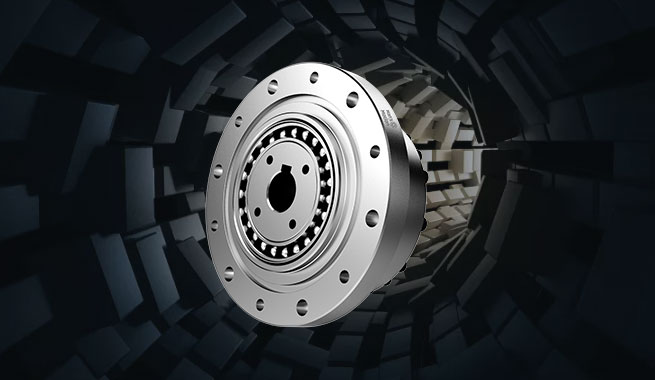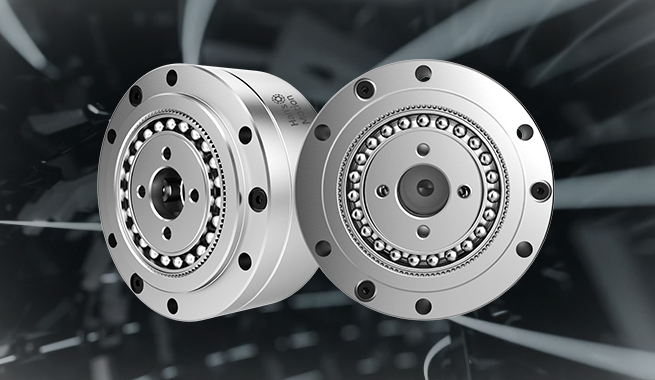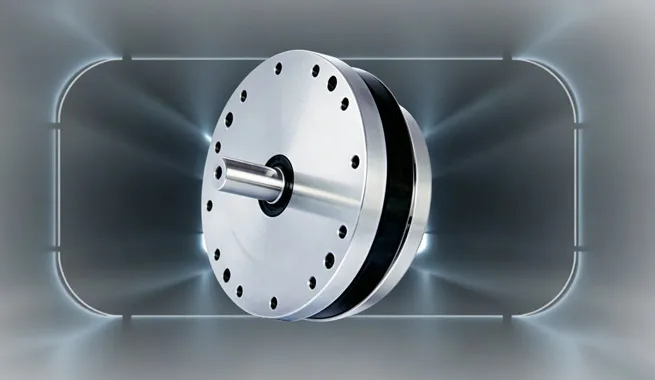
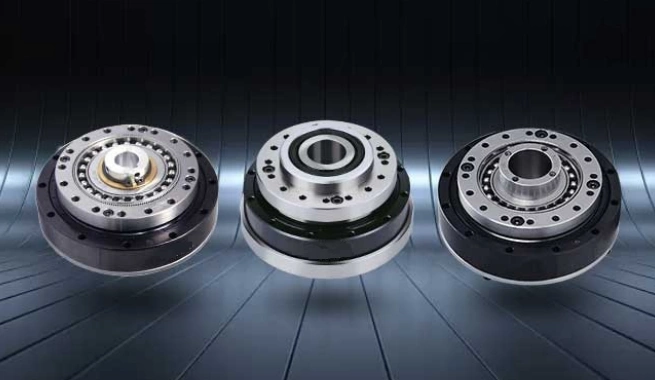
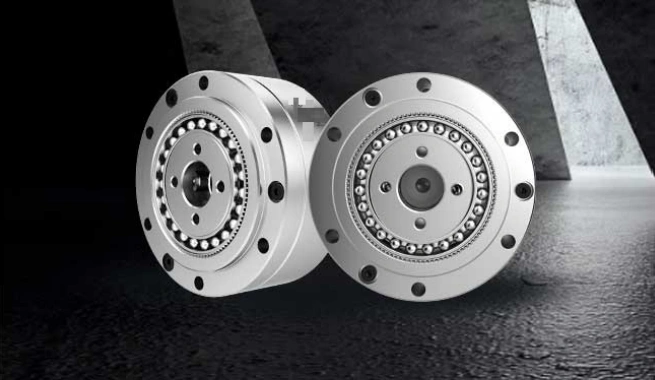
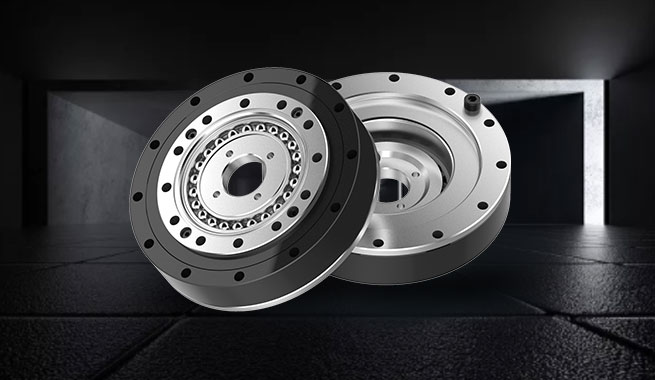
The harmonic reduction gear is a precision transmission solution widely recognized for its compact design, high torque density, and nearly zero backlash. It has revolutionized the performance of robotic systems, medical devices, and advanced industrial machinery. Companies such as PICEA MOTION, equipped with strong R&D and global cooperation, have contributed to the rapid adoption of this technology by combining world-class manufacturing processes with a focus on innovation and long-term reliability.
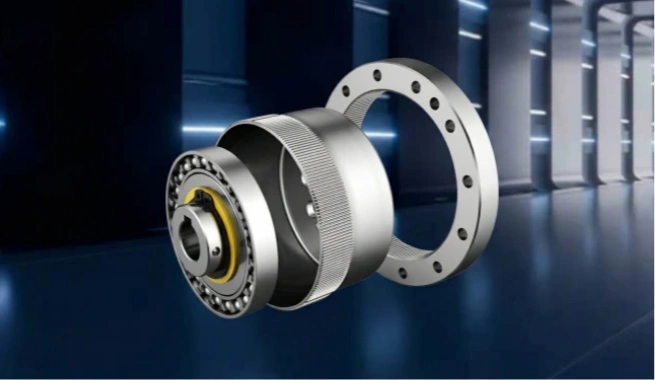
Unlike conventional gear systems, a harmonic reduction gear uses the elastic deformation of a flexspline to achieve power transmission. The core components include the circular spline, flexspline, and wave generator. When the wave generator rotates, it deforms the flexspline and engages it with the circular spline in multiple points. This design allows for precise motion transfer, high torque in a small space, and reduced wear over time. The ability of PICEA MOTION to develop these systems with world-class testing equipment ensures that every gear achieves consistent accuracy and durability for demanding applications.

When selecting a transmission system, industries must weigh the differences between harmonic reduction gears and traditional gears. The following comparison illustrates the advantages:
Feature | Harmonic Reduction Gear (e.g., PICEA MOTION) | Traditional Gear System |
Backlash | Almost zero, offering unmatched precision | Noticeable backlash, lower accuracy |
Torque Density | High torque output in compact size | Lower torque for similar size |
Efficiency in Small Spaces | Lightweight and compact | Larger and bulkier |
Service Life | Long lifespan with less mechanical wear | Shorter due to more moving parts |
Application Versatility | Robotics, medical, testing, automation | Limited to less demanding machinery |
This comparison shows why harmonic reduction gears are widely chosen in industries requiring advanced automation and high-precision engineering.

In modern manufacturing, harmonic reduction gears play a vital role in improving the performance of robots used for assembly, welding, and material handling. Their ability to provide micro-level precision enables reliable automation in industries where repeatability and safety are essential. Beyond robotics, harmonic reduction gears are also used in communication equipment, medical instruments, and test systems. With advanced laboratories and collaborative projects with universities such as Tokyo and Tsukuba, PICEA MOTION ensures that their gears are designed to address current and future industrial challenges.

The ongoing success of harmonic reduction gears lies in continuous innovation. By integrating advanced testing systems, simulation tools, and material science, manufacturers like PICEA MOTION have been able to improve performance while reducing size and weight. These research efforts have led to numerous patents and global recognition, proving the critical importance of strong R&D in this field. Awards such as the "Red Sails Award" and the "Most Innovative Product Award" further highlight the role of innovation in strengthening harmonic gear technology for modern industries.

One of the most significant benefits of adopting harmonic reduction gear is its long-term value. Reduced maintenance, higher reliability, and superior accuracy result in lower operational costs and fewer production interruptions. In industries where even slight inefficiencies can lead to significant losses, harmonic reduction gears provide sustainable and scalable solutions. By combining sophisticated craftsmanship with proven reliability, companies can achieve lasting performance improvements and gain a competitive edge in global markets.
Contact us today to discuss your project requirements and find the perfect harmonic drive solutions.
Contact Us Now
Hi, I am Sophie from Shenzhen PICEA Motion Technology Co, Ltd. I have been working in overseas business trade for more than 5 years. PICEA Motion is a professional manufacturer of precision harmonic gears. Our company integrates R&D, production, sales, and after-sales services.