When designing joint actuators for quadruped robots, one of the most critical decisions engineers face is selecting the right gear system.
Two of the most commonly used options are:
Harmonic drives (strain wave gear reducers)
Planetary gearboxes
Both technologies are widely used in robotics, but they perform very differently under the dynamic conditions of legged locomotion.
So which one is better for quadruped robots?
The short answer: it depends on your priorities—but for most high-performance quadruped applications, harmonic drives offer clear advantages.
Before comparing performance, it’s important to understand how these two systems work.
A planetary gear system consists of:
A central sun gear
Multiple planet gears
An outer ring gear
Torque is transmitted through multiple contact points, making planetary gearboxes robust and relatively cost-effective.
They are commonly used in:
Industrial automation
Wheeled robots
Heavy-duty machinery
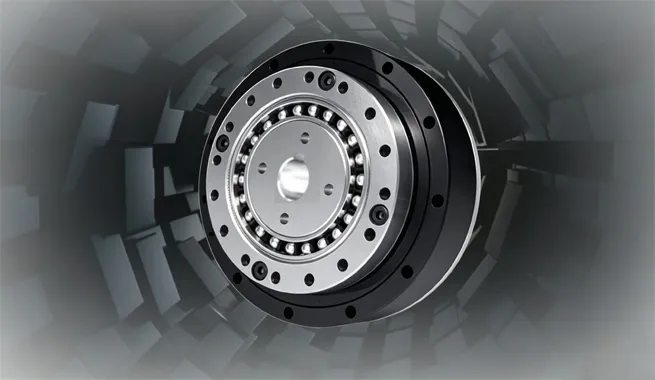
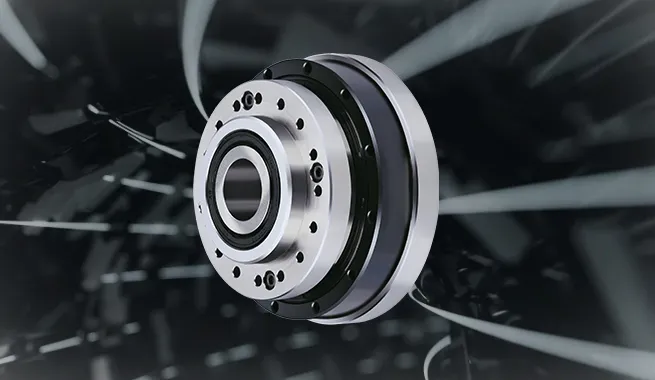
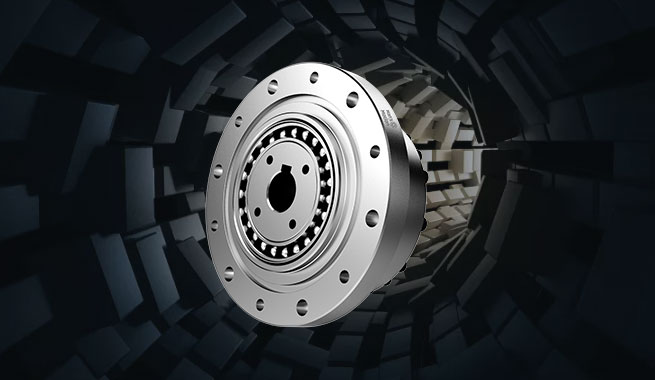
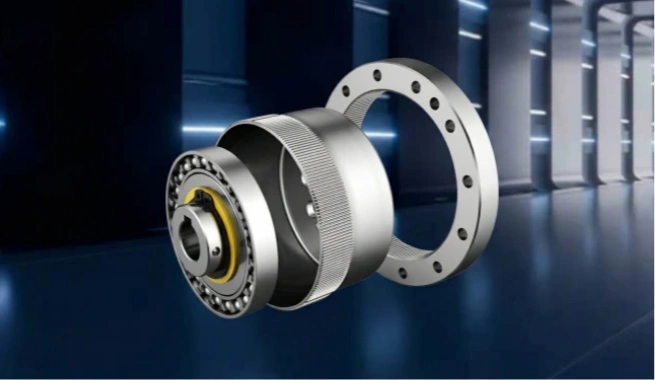
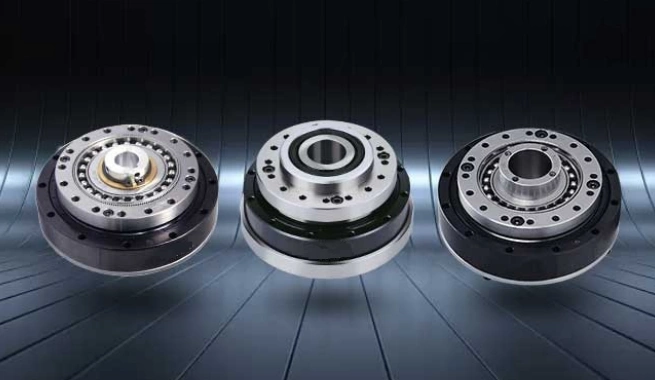
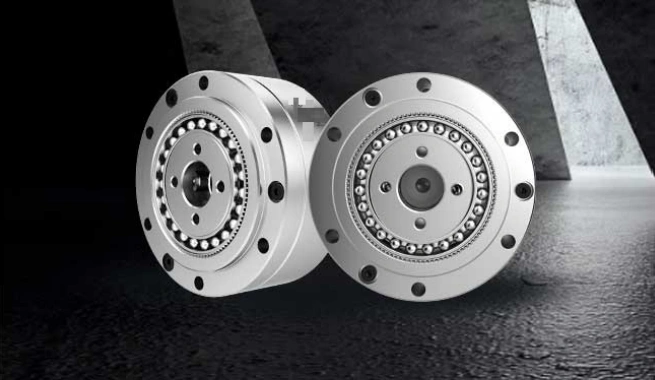
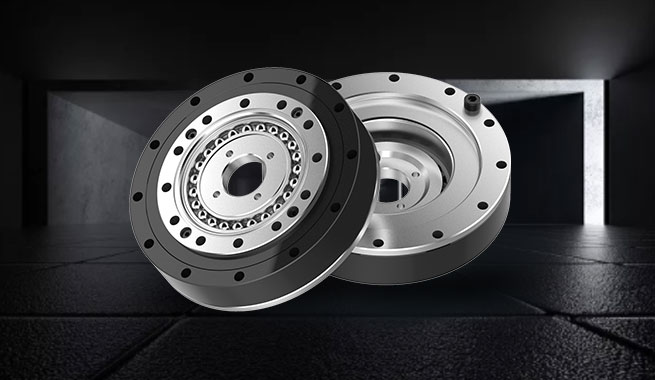
A harmonic drive uses a completely different mechanism:
Wave generator (elliptical input)
Flexspline (flexible gear)
Circular spline (rigid outer gear)
This design enables:
High reduction ratios in a single stage
Continuous tooth engagement
Near-zero backlash
Planetary Gear:
Typically has measurable backlash
Accuracy decreases over time due to wear
Harmonic Drive:
Near-zero backlash
Maintains precision over long cycles
For quadruped robots, even small positioning errors can destabilize gait.
Winner: Harmonic Drive
Planetary Gear:
Requires multiple stages for high reduction
Larger and heavier at high torque levels
Harmonic Drive:
High reduction ratio in a compact form
Better torque-to-weight ratio
Critical for keeping robot legs lightweight and efficient.
Winner: Harmonic Drive
Planetary Gear:
Strong rigid gear structure
Better at handling direct impact loads
Harmonic Drive:
Flexible flexspline can be sensitive to shock
Requires proper system design (e.g., SEA or damping)
In legged robots, impact can be managed at system level.
Winner: Depends on design (slight edge to planetary in raw shock)
Planetary Gear:
Bulkier, harder to integrate into tight joint spaces
Harmonic Drive:
Slim, lightweight, and often available with hollow shaft
Ideal for cable routing through joints
Essential for modern quadruped architectures.
Winner: Harmonic Drive
Planetary Gear:
Backlash increases with wear
Maintenance may be required
Harmonic Drive:
Stable precision over time
Fewer components and smoother motion
Winner: Harmonic Drive
Modern quadruped robots—especially those used in industrial inspection—prioritize:
Stability on uneven terrain
Precise foot placement
Compact joint design
Energy efficiency
These requirements align closely with the strengths of harmonic drives.
While planetary gears still have value in certain applications, they are generally less suited for high-precision, multi-DoF legged systems.
At Picea Motion Drive, we focus on delivering harmonic drive solutions optimized for robotic applications.
Compared to conventional options, our systems offer:
Zero-backlash precision for stable locomotion
High torque density for compact joint design
Customizable configurations for robotic integration
Reliable performance in industrial environments
This makes them particularly suitable for:
Quadruped robots
Humanoid robots
Precision robotic arms
Choosing between harmonic drives and planetary gears is not just a technical comparison—it is a decision that directly impacts your robot’s performance, stability, and reliability.
For most quadruped robot applications, the conclusion is clear:
If precision, compactness, and dynamic control matter, harmonic drives are the superior choice.
Contact us today to discuss your project requirements and find the perfect harmonic drive solutions.
Contact Us Now
Hi, I am Sophie from Shenzhen PICEA Motion Technology Co, Ltd. I have been working in overseas business trade for more than 5 years. PICEA Motion is a professional manufacturer of precision harmonic gears. Our company integrates R&D, production, sales, and after-sales services.