Let’s be honest. When you’re designing a multi-axis robotic arm, a CNC rotary table, or a medical imaging device, the gearbox you select can make or break the entire system. I see it every day: engineering teams sitting around a CAD model, debating the classic harmonic drive vs planetary gear dilemma.
You want the absolute precision of zero backlash, but your project manager is breathing down your neck about the BOM (Bill of Materials) cost.
As experts in precision motion control at Picea Motion Drive, we know that choosing between these two isn't just about reading a spec sheet. It’s about understanding the real-world trade-offs in your specific application. Here is our definitive, no-nonsense guide to making the right call.
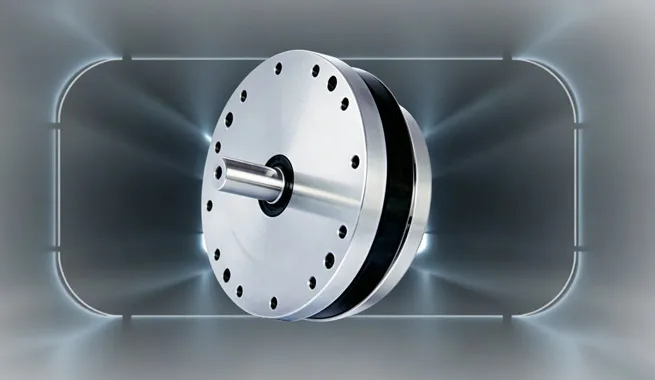
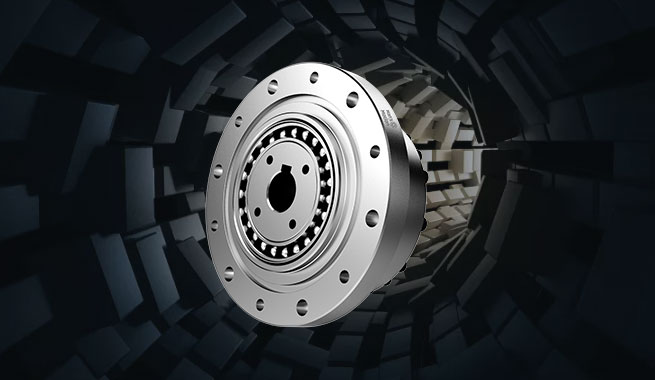
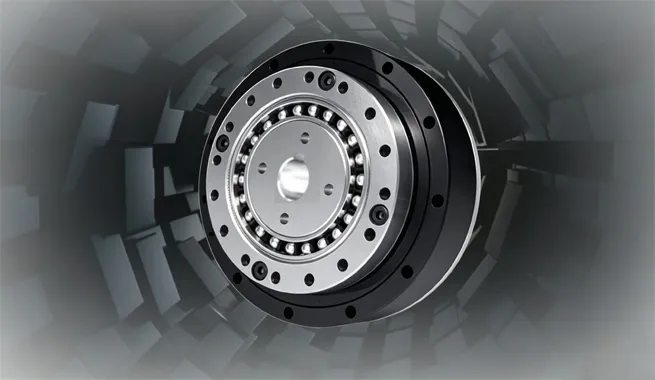
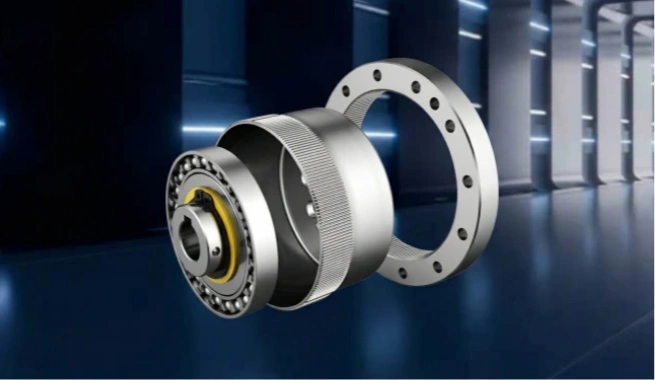
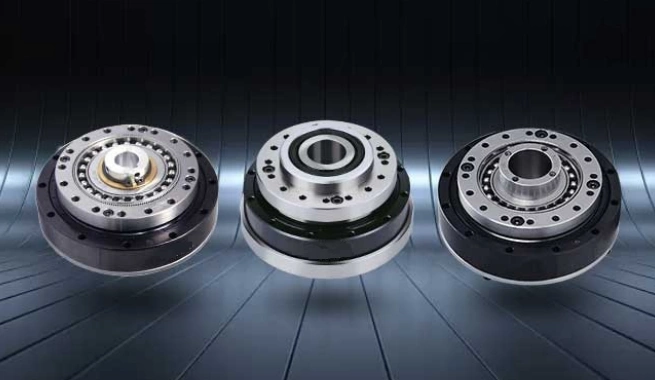
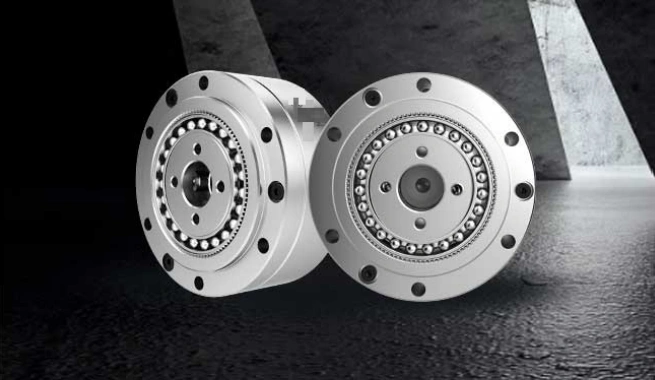
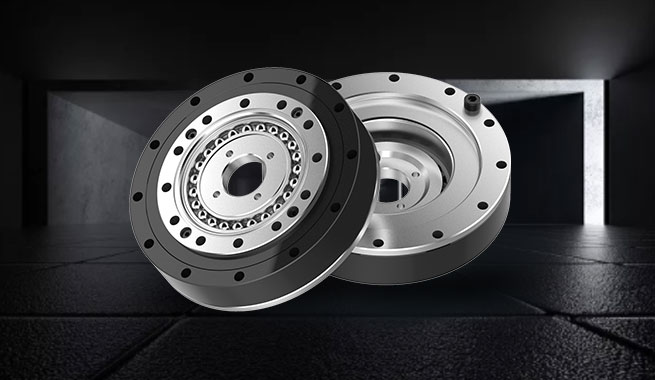
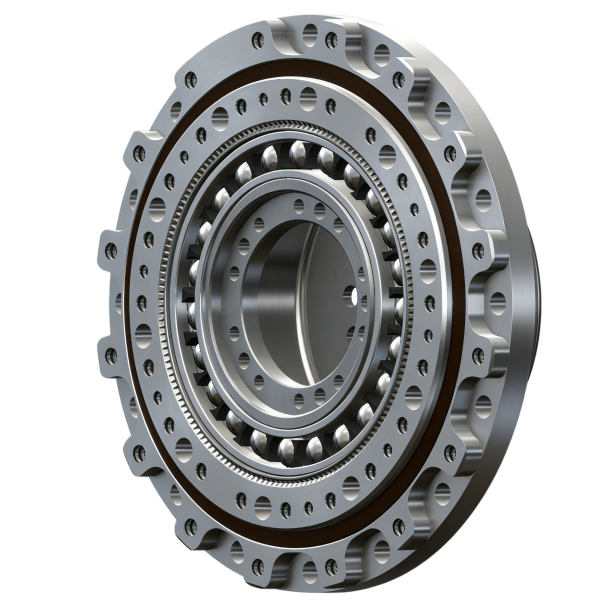
A harmonic drive (technically known as strain wave gearing) is a masterpiece of mechanical engineering. Instead of rigid gears grinding against each other, a harmonic drive relies on the elastic deformation of metal.
It consists of three main parts:
The Wave Generator: An elliptical cam enclosed in a ball bearing.
The Flexspline: A flexible, thin-walled metal cup with external teeth.
The Circular Spline: A rigid outer ring with internal teeth (usually having two more teeth than the flexspline).
As the wave generator spins, it deforms the flexspline, forcing its teeth to mesh with the circular spline at two opposing points. Because there is a constant, pre-loaded mesh of multiple teeth, you get virtually zero backlash.
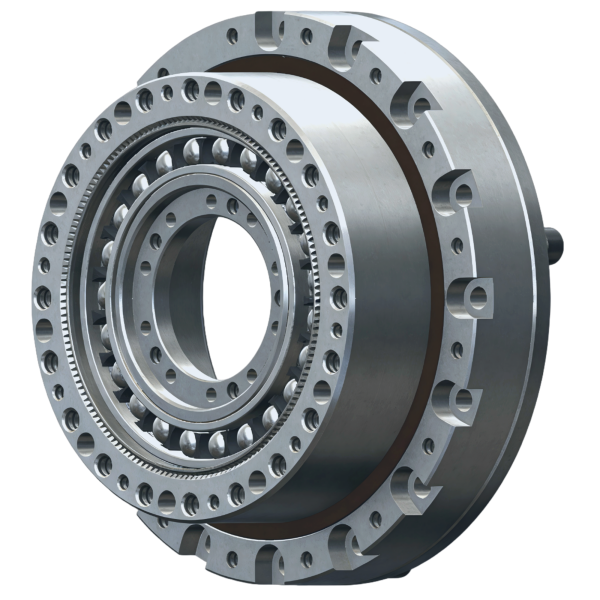
Planetary gears are the heavy-duty tanks of the motion control world. They work exactly like our solar system: a central "sun" gear is driven by the motor, which turns multiple "planet" gears that rotate inside a fixed outer "ring" gear.
Because the load is distributed across multiple planet gears simultaneously, planetary gearboxes are incredibly rugged. Precision planetary gears have evolved massively in recent years, but due to the necessary clearances between the rigid gear teeth, they will always have some degree of backlash (typically 1 to 5 arc-minutes for high-end models).
If your application requires sub-millimeter positioning at the end of a long robotic arm, any backlash at the joint will be amplified into a massive error at the tool tip.
Harmonic Drives win this flawlessly. Their zero-backlash nature guarantees absolute repeatability.
Planetary Gears require you to tolerate a small amount of play.
Look at the joints of a modern collaborative robot (cobot). They are incredibly sleek.
Harmonic Drives offer massive gear reduction ratios (up to 160:1 or more) in a single, incredibly compact stage. They are lightweight and save precious space.
Planetary Gears require multiple stages stacked on top of each other to achieve similar ratios, making them longer and heavier.
Here is where the tables turn.
Planetary Gears are highly rigid. If your machine is performing heavy milling, palletizing heavy boxes, or experiencing sudden emergency stops, a planetary gear will absorb that shock and keep running.
Harmonic Drives rely on a thin, flexible metal cup (the flexspline). A sudden, violent shock load can shear the teeth or permanently damage the flexspline. They require smooth, controlled motion profiles.
Here is an insider perspective you won't read in standard manufacturer catalogs: Stop over-engineering your machines if you don't need to.
As a leading China Harmonic Drive Manufacturer, we obviously love strain wave technology. But we frequently see junior engineers specify harmonic drives for applications that absolutely do not need zero backlash—like simple indexing tables or automated guided vehicles (AGVs).
If you are just spinning a conveyor belt or moving a payload where a few arc-minutes of play won't ruin the process, save your budget. Use a high-quality planetary gear.
However, if you are designing surgical robots, aerospace actuators, or 6-axis cobots, a harmonic drive is non-negotiable. The good news? The days of having to pay premium monopolies for this technology are over. By partnering with a dedicated precision motion control manufacturer in China, you can get tier-one harmonic performance without destroying your project's budget.
Still stuck? Use this cheat sheet:
Choose a Harmonic Drive if you need:
Zero backlash and extreme positional accuracy.
High gear ratios in a very tight, compact space.
Lightweight components for end-of-arm tooling.
Choose a Planetary Gear if you need:
High shock-load resistance and extreme durability.
High continuous torque for heavy industrial lifting.
A more budget-friendly solution where slight backlash is acceptable.
Contact us today to discuss your project requirements and find the perfect harmonic drive solutions.
Contact Us Now
Hi, I am Sophie from Shenzhen PICEA Motion Technology Co, Ltd. I have been working in overseas business trade for more than 5 years. PICEA Motion is a professional manufacturer of precision harmonic gears. Our company integrates R&D, production, sales, and after-sales services.