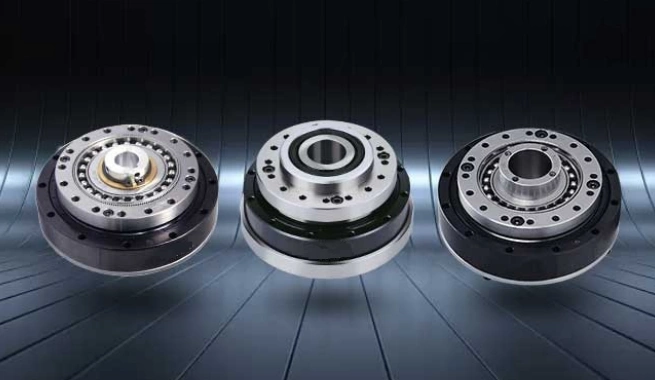
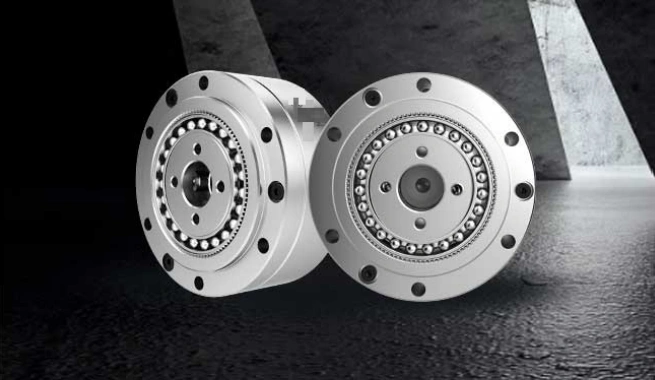
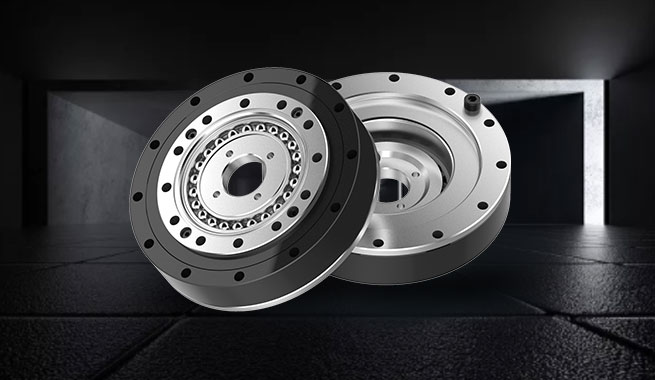
For mechanical engineers and automation system designers, achieving compact structure, high torque density, and zero backlash is a constant challenge in motion control systems.
While many focus on gear ratio or material selection, one critical factor is often underestimated: the geometry of the flexspline.
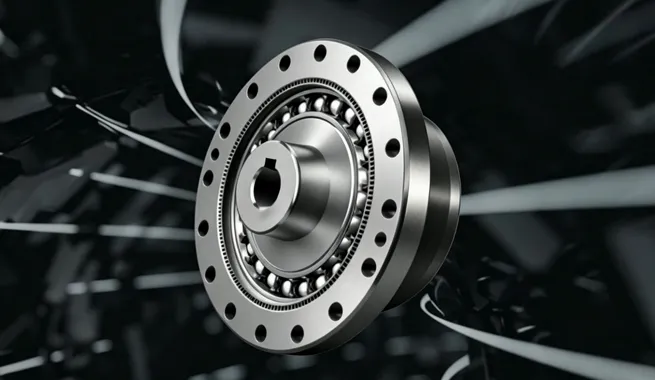
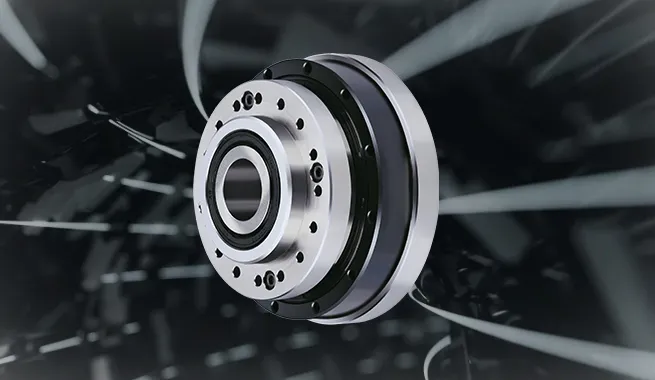
In a strain wave gear, the shape of the flexspline directly determines fatigue life, torque capacity, and long-term stability. Among various designs, the hat style strain wave gear (also known as a cup type harmonic gearbox) has become the preferred choice for high-performance applications such as robotics, semiconductor equipment, and precision automation.
The term “hat style” refers to the distinctive geometry of the flexspline, which resembles a deep cup or hat.
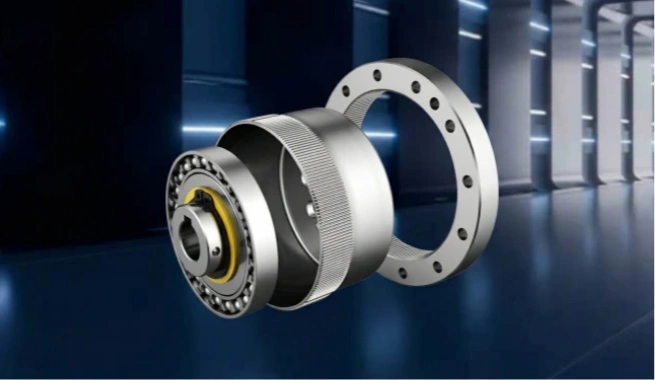
A typical hat style strain wave gear consists of three core components:
Circular spline (rigid outer gear)
Flexspline (hat-shaped thin-walled component)
Wave generator (elliptical cam with bearing)
The flexspline is the defining feature:
The closed end (cup bottom) is fixed to the output or structure
The open end engages with the circular spline via elastic deformation
The wave generator continuously deforms the flexspline to create controlled meshing
Compared to alternative geometries such as ultra-thin “pancake” designs, the deep cup structure provides critical mechanical advantages:
The extended cylindrical wall allows for more evenly distributed elastic deformation, reducing stress concentration during repeated cycling.
A deeper flexspline structure increases the load-bearing area, enabling the transmission of higher torque without premature material fatigue.
The geometry supports better alignment and reduces deformation irregularities, which is essential for long-term precision applications.
One of the defining features of a strain wave gear is its ability to achieve true zero backlash.
In a hat style configuration:
Continuous tooth engagement eliminates clearance
Elastic deformation ensures constant contact
Result: ultra-high positioning accuracy and repeatability
Additionally, the structure delivers high torsional stiffness, making it ideal for:
Robotic joints
CNC rotary axes
Precision positioning systems
Unlike conventional gear systems, a strain wave gear working principle allows for:
High reduction ratios (e.g., 50:1 to 160:1)
Achieved within a single compact stage
This eliminates the need for multi-stage gearboxes, reducing:
System complexity
Weight and size
Accumulated backlash
For engineers designing compact systems, this is a major advantage.
For applications requiring maximum flexibility in mechanical design, component-based solutions are often preferred over fully integrated gear units.
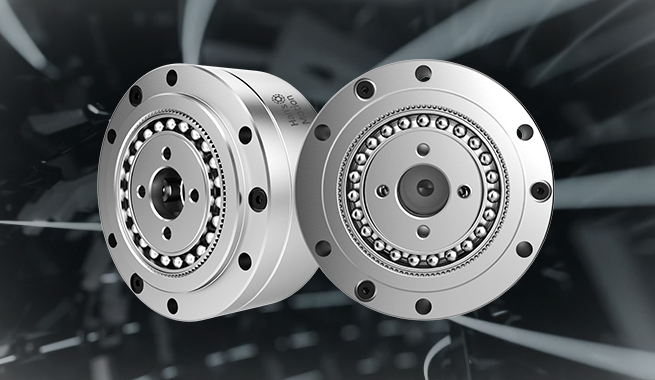
The HMCG Series Hat Style Strain Wave Gear is designed as a component set (flexspline, circular spline, and wave generator), enabling engineers to build customized transmission systems.
Hat style (cup type) flexspline optimized for durability and torque
Designed for zero backlash performance
Suitable for integration with custom housings and cross roller bearings
Ideal for high-end applications requiring compact, high-precision motion control
This configuration is particularly valuable for:
Robotics joint development
Semiconductor equipment
Aerospace and precision automation systems
Learn more about the product here
As motion control systems continue to evolve toward higher precision, smaller size, and greater efficiency, the importance of selecting the right transmission architecture becomes increasingly critical.
The hat style strain wave gear stands out due to its:
Superior fatigue life
Higher torque capability
True zero backlash performance
For engineers seeking a reliable zero backlash component set with strong design flexibility, hat-style architectures provide a proven and scalable solution.
Understanding the strain wave gear working principle and the structural advantages of cup-type flexsplines can significantly improve both performance and longevity in next-generation mechanical systems.
Contact us today to discuss your project requirements and find the perfect harmonic drive solutions.
Contact Us Now
Hi, I am Sophie from Shenzhen PICEA Motion Technology Co, Ltd. I have been working in overseas business trade for more than 5 years. PICEA Motion is a professional manufacturer of precision harmonic gears. Our company integrates R&D, production, sales, and after-sales services.