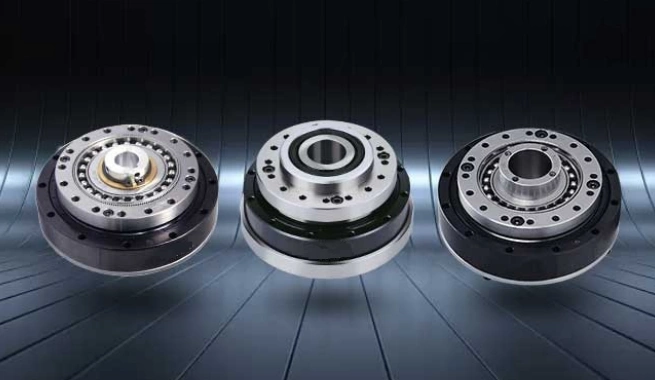
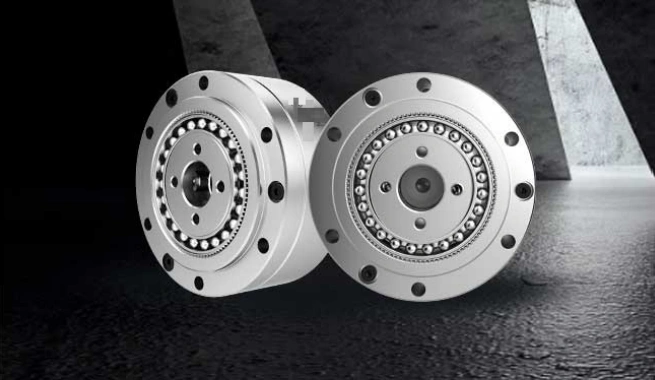
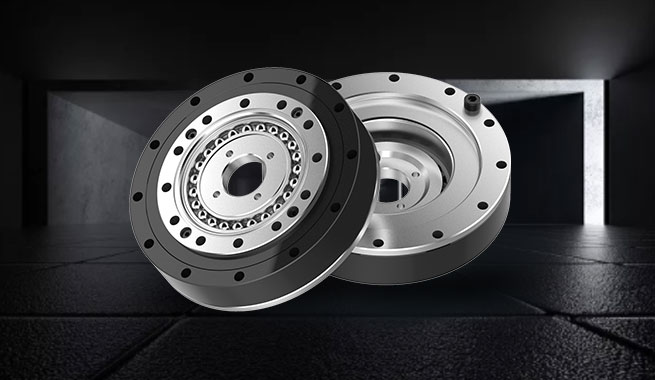
Let’s talk about the elephant in the robotics lab.
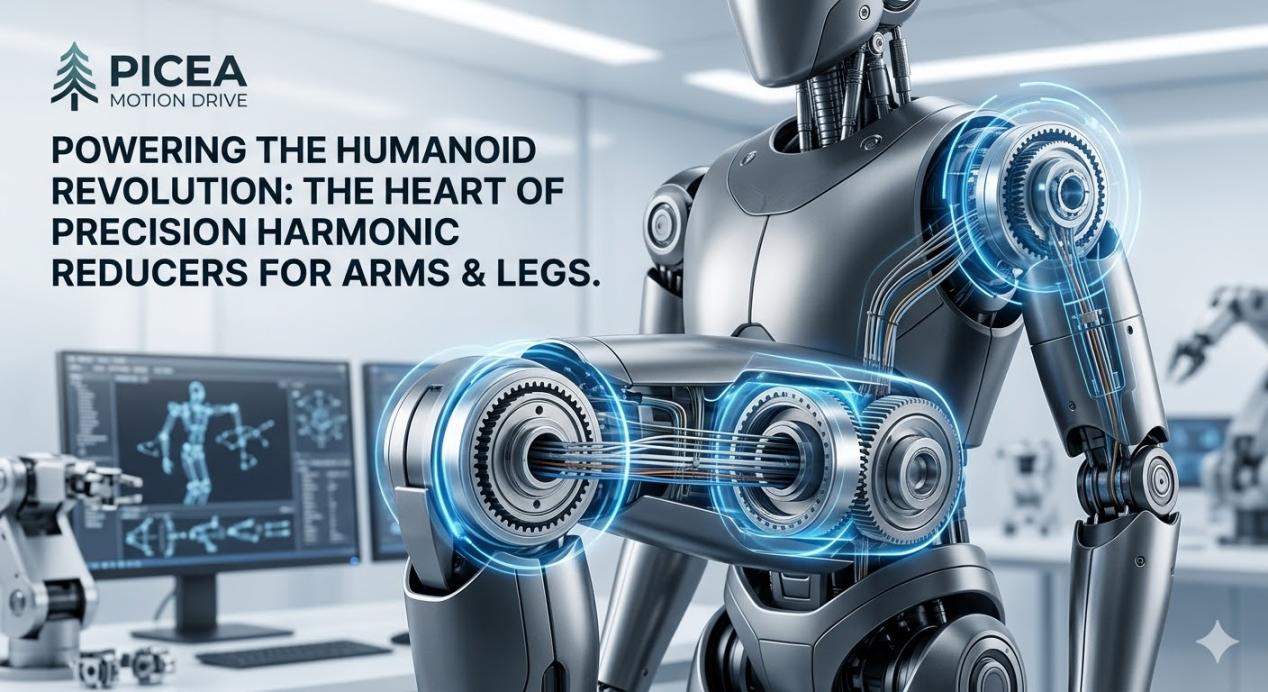
Watching the latest humanoid robots from companies like Figure AI or Tesla autonomously walk, make coffee, and move boxes is mind-blowing. The software and AI vision systems are lightyears ahead of where they were a decade ago. But when it’s time to move that robot out of the R&D lab and into mass production, the engineering team isn’t the one sweating. The procurement team is.
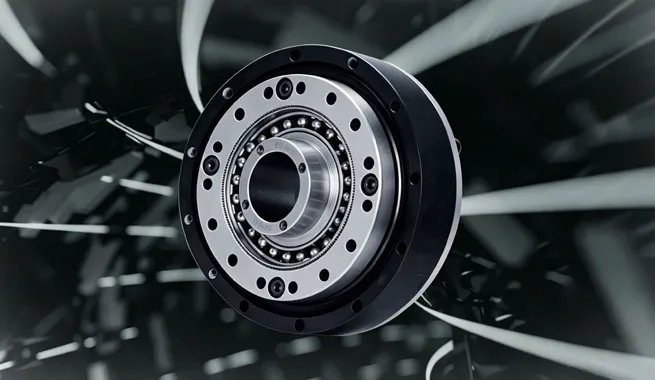
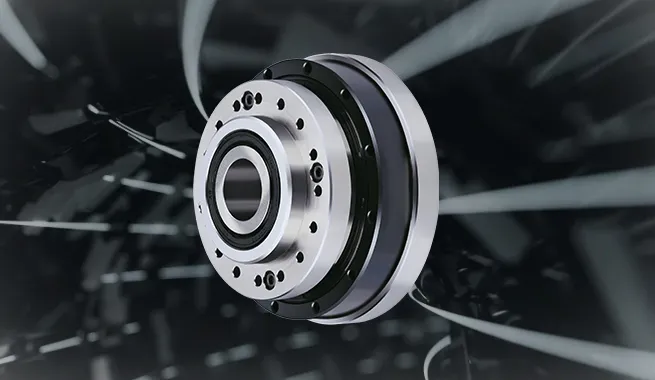
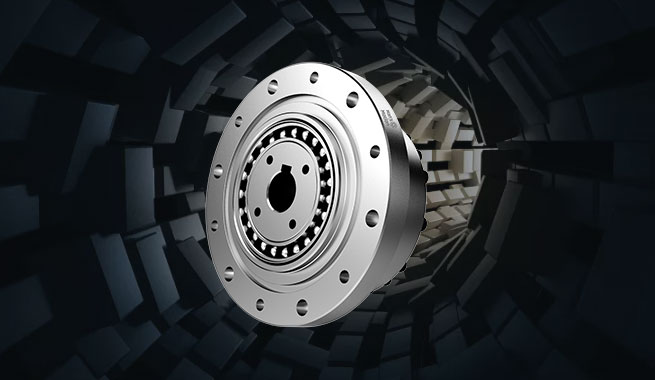
Why? Because a highly capable humanoid robot requires anywhere from 30 to over 40 Degrees of Freedom (DoF). Every single one of those major joints in the arms and legs requires a high-torque, zero-backlash actuator. If you are paying legacy premium prices for every single harmonic gearbox, your Bill of Materials (BOM) is dead on arrival.
Commercializing humanoids isn't just a software race anymore; it is a supply chain war. Here is how leading robotics companies are rethinking their mechanical sourcing to actually turn a profit.
When you build a prototype, budget is secondary. You buy the most expensive, brand-name Japanese gearboxes because you just need the robot to work for the demo.
But let's do the math for mass production. If a single high-end harmonic reducer costs $800 to $1,500, and your humanoid needs 35 of them, you are spending up to $50,000 just on gearboxes. That doesn't include the servo motors, encoders, frame, batteries, or computing hardware. If the goal is to sell these robots to factories or consumers for under $30,000, the traditional component math simply doesn't work.
You have to cut actuator costs by at least 60% without sacrificing a single arc-minute of precision or a Newton-meter of torque.
Ten years ago, the conventional wisdom was that you couldn't trust anything other than legacy Japanese brands for zero-backlash strain wave gearing.
That era is over.
The rise of the China harmonic gearbox manufacturer ecosystem has fundamentally disrupted the global monopoly. Early pioneers in the Chinese market, such as Leaderdrive, did the heavy lifting of proving to the world that Chinese metallurgy and high-end 5-axis CNC machining could meet the grueling demands of industrial automation.
However, as the humanoid market explodes, a new problem has emerged. When those early pioneer suppliers become massive corporations themselves, their production lines fill up. For a robotics startup or an agile R&D team, that means you are suddenly facing 6-month lead times, inflexible minimum order quantities (MOQs), and a flat-out refusal to customize the gearbox for your specific joint design.
This is exactly where Picea Motion Drive steps in. We understand that designing a humanoid leg that has to handle the massive shock load of a "heel strike" requires a completely different reducer than a shoulder joint prioritizing low inertia. You can't just pick a part out of a catalog and hope it works.
When you are scaling production, you need an engineering partner, not just a vendor. Here is why innovative robotics companies are shifting their supply chain to us:
Aggressive BOM Reduction: We leverage advanced, localized manufacturing to deliver tier-one harmonic reducer performance at a price point that makes humanoid mass production financially viable.
Customization (ODM): Need a larger hollow shaft to route 40 cables through a knee joint? Need a specific mounting flange to integrate directly with your frameless frameless motor? We modify and iterate designs in weeks, not months.
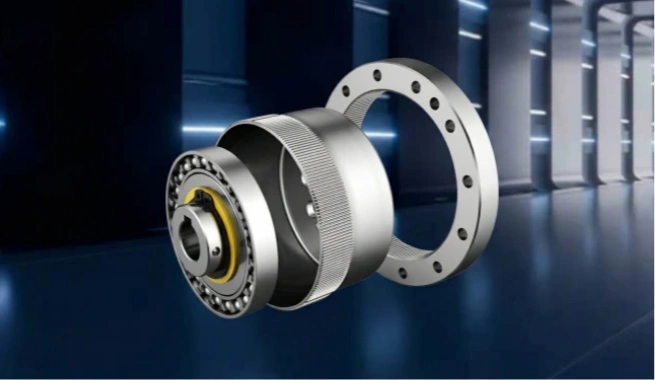
Quality Control: "Cost-effective" does not mean cheap. Our flexsplines are forged from specialized fatigue-resistant alloys and subjected to rigorous dynamic load testing to ensure they survive the unpredictable impacts of humanoid locomotion.
Shorter Lead Times: We keep our production agile so you don't have to pause your assembly line waiting on a container ship.
The companies that will win the humanoid robotics race won't necessarily be the ones with the flashiest AI. They will be the ones who master their BOM and build a resilient, scalable supply chain. Overpaying for legacy brand names is a luxury the commercial robotics market can no longer afford.
If you are transitioning from prototype to pilot production, it is time to evaluate your actuator costs.
Are you currently designing a robotic joint and fighting with weight or budget constraints? Send your target specs or CAD files to the engineering team at Picea Motion Drive. We will provide a direct, no-nonsense cross-reference and a custom quote to show you exactly how much you can save per joint.
Contact us today to discuss your project requirements and find the perfect harmonic drive solutions.
Contact Us Now
Hi, I am Sophie from Shenzhen PICEA Motion Technology Co, Ltd. I have been working in overseas business trade for more than 5 years. PICEA Motion is a professional manufacturer of precision harmonic gears. Our company integrates R&D, production, sales, and after-sales services.