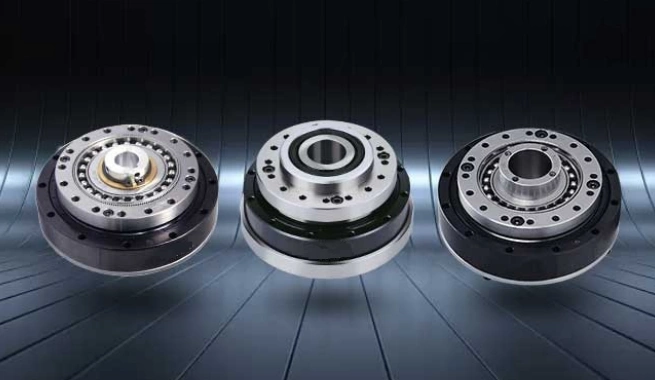
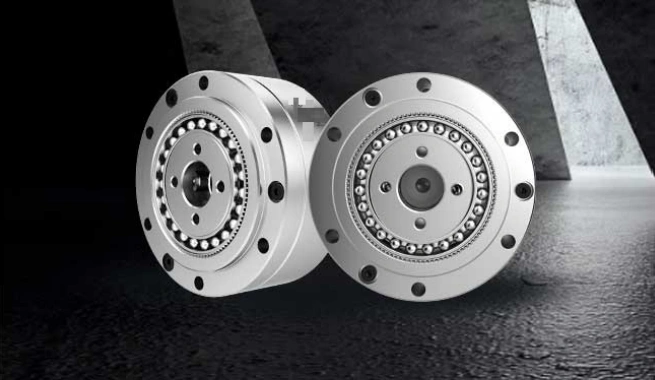
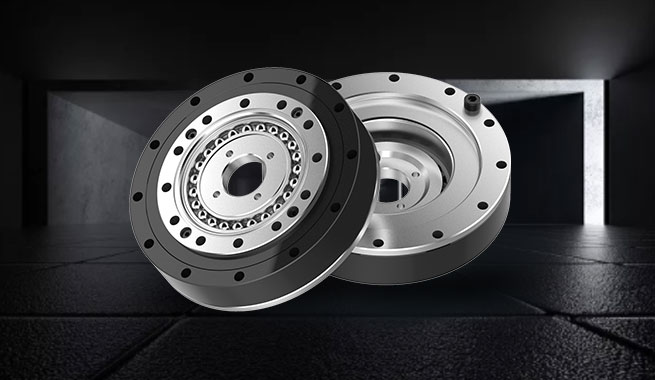
If you spend enough time designing automated systems, you eventually hit a wall. You need more torque, you have zero space left in your CAD assembly, and your positional accuracy requirements are completely unforgiving.
For decades, the default answer to this problem has been simple but expensive: specify a harmonic drive from one of the legacy Japanese or European monopolies, swallow the high cost, and move on.
But the landscape of precision motion control is shifting. As a senior engineer at a leading China harmonic drive manufacturer, I speak with procurement teams and lead designers every week who are looking for a better way to balance top-tier performance with realistic project budgets.
If you are evaluating harmonic reducers for your next robotics or automation project, here is our no-nonsense guide to how they work, why they outclass traditional gearboxes, and how to source them smartly.
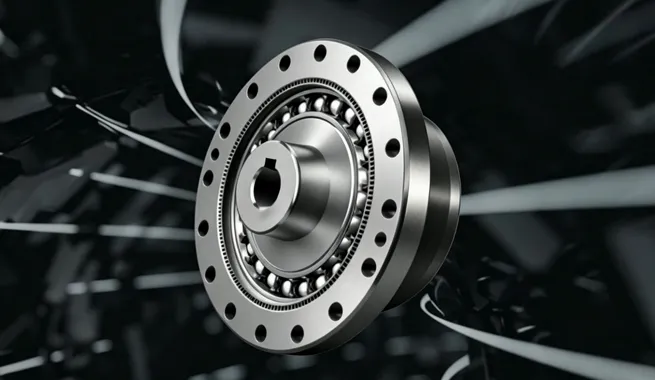
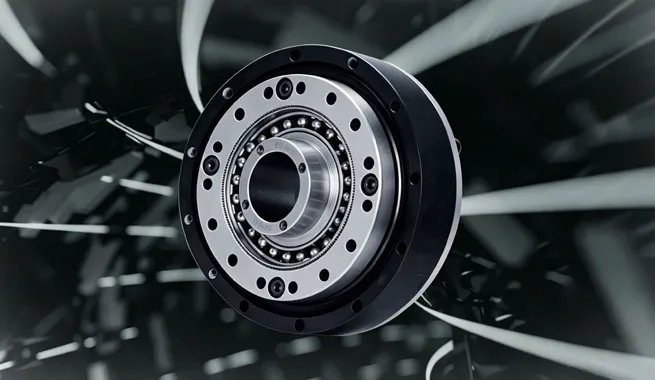
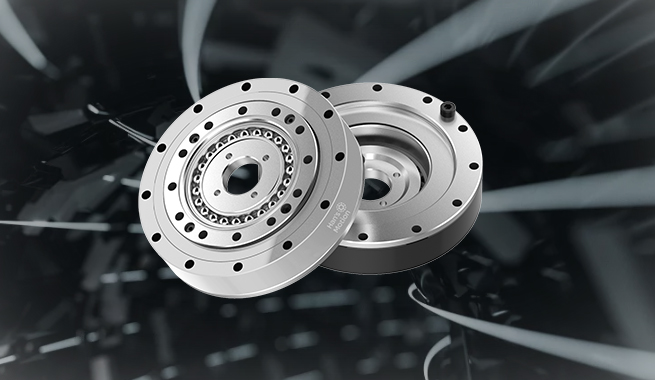
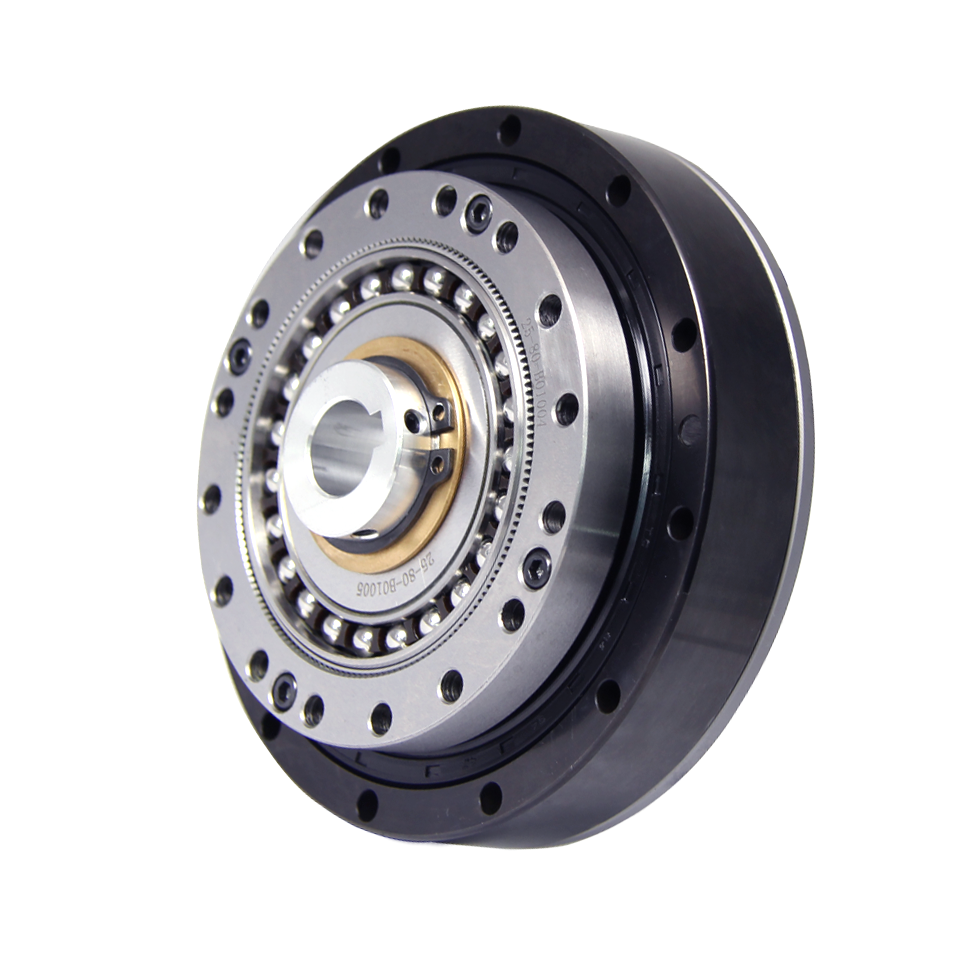
Before we talk about sourcing, let’s strip the technology down to its basics. A harmonic reducer (often referred to as strain wave gearing) doesn't rely on rigid gears smashing against each other. Instead, it relies on metal elasticity.
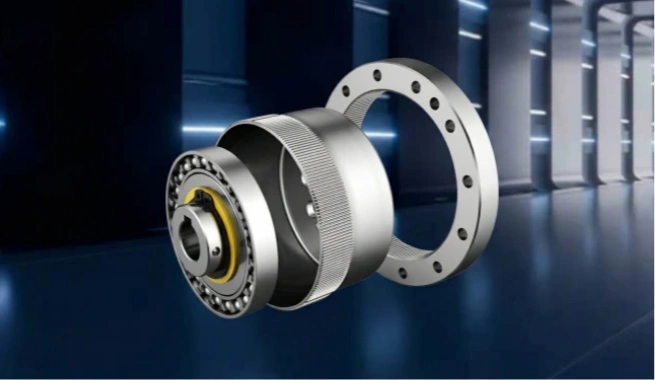
There are only three core components:
1. The Wave Generator: This is an elliptical plug surrounded by an elliptical ball bearing. It acts as the high-speed input from your servo or stepper motor.
2. The Flexspline: A thin-walled, flexible metal cup with external gear teeth. This is the heart of the system and the component that handles the actual elastic deformation.
3. The Circular Spline: A rigid, thick-walled outer ring with internal teeth. It usually has exactly two more teeth than the flexspline.
As the wave generator spins, it stretches the flexspline into an oval shape, forcing its external teeth to mesh with the circular spline's internal teeth at two opposing points. Because the flexspline has fewer teeth, every full rotation of the wave generator walks the flexspline backward by a tiny, highly controlled amount.
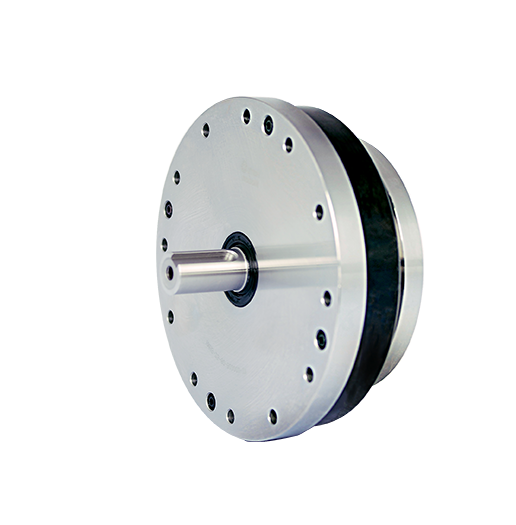
Why go through the trouble of deforming metal just to reduce speed? Because the engineering payoffs are massive.
In a standard planetary gearbox, there has to be a tiny gap between the gear teeth so they can turn without binding. This gap causes "backlash"—a slight physical play in the joint. In a harmonic reducer, roughly 30% of the teeth are engaged at any given time due to the elliptical deformation. This pre-loaded mesh means there is absolutely zero backlash. If you are programming a 6-axis robotic arm, zero backlash means your tool tip goes exactly where the code tells it to go, every single time.
To get a 100:1 reduction in a standard gearbox, you usually have to stack multiple gear stages on top of each other, creating a long, heavy cylinder. Harmonic reducers can achieve ratios anywhere from 30:1 to 160:1 in a single, incredibly thin stage.
Because the load is distributed across so many engaged teeth simultaneously, these drives can handle massive torque relative to their physical size. This is why they are the undisputed standard for collaborative robot (cobot) joints and aerospace actuators where every gram of weight matters.
Here is our independent viewpoint: The days of needing to pay a 300% premium just for a brand name are over.
Ten years ago, engineers were hesitant to source precision gearboxes outside of a few legacy brands. The assumption was that the metallurgical science required to make a flexspline that wouldn't fatigue and crack was too complex for alternative manufacturers.
Today, that is no longer the case. The advancement in 5-axis CNC machining, advanced heat treatment capabilities, and stringent quality control has completely leveled the playing field. At Picea Motion Drive, we manufacture harmonic reducers that match the torque density, repeatability, and lifespan of the biggest names in the industry—but at a price point that actually makes sense for scaling your production.
We aren't just cloning old designs; we are optimizing tooth profiles and utilizing high-grade alloys to ensure our reducers survive high shock loads and continuous operation in demanding environments.
The biggest mistake I see engineers make when transitioning to harmonic technology is ignoring the shock load.
Because the flexspline is a thin-walled cup, a sudden, violent emergency stop (E-stop) at high speeds can shear the teeth or warp the metal. When sizing your reducer, don't just look at the continuous torque rating. Calculate your peak emergency stop torque and ensure you have a healthy safety margin. If your system is prone to violent, uncontrolled crashes, you might actually be better off with a heavy-duty planetary gear. But if precision and controlled motion are your goals, nothing beats strain wave technology.
Stop letting legacy brand pricing dictate your engineering limits. Whether you are building a new line of medical imaging tables, a custom CNC rotary axis, or the next generation of cobots, we can help you spec the exact drive for your needs.
Looking for a custom solution or a drop-in replacement? Browse our full catalog of precision gearboxes at Picea Motion Drive, or reach out to our engineering team directly to discuss your specific load and speed requirements.
Contact us today to discuss your project requirements and find the perfect harmonic drive solutions.
Contact Us Now
Hi, I am Sophie from Shenzhen PICEA Motion Technology Co, Ltd. I have been working in overseas business trade for more than 5 years. PICEA Motion is a professional manufacturer of precision harmonic gears. Our company integrates R&D, production, sales, and after-sales services.