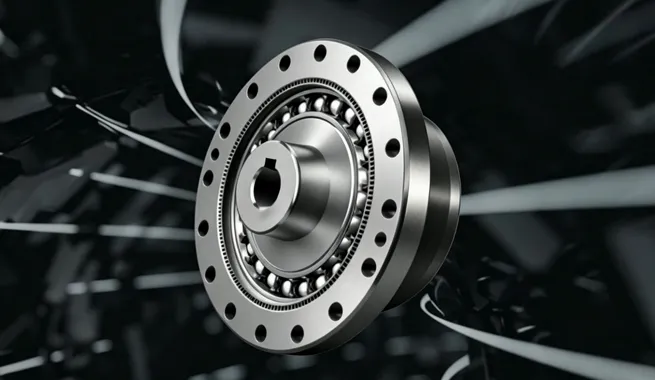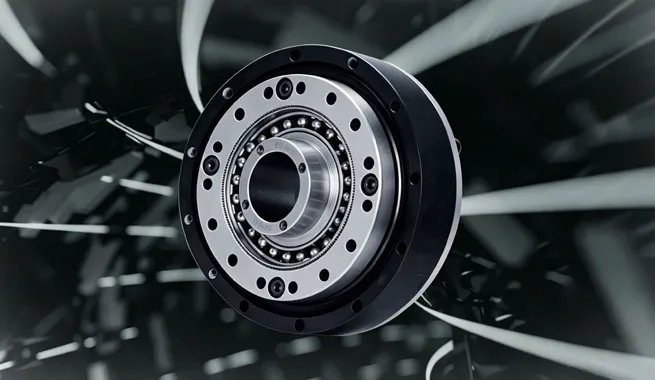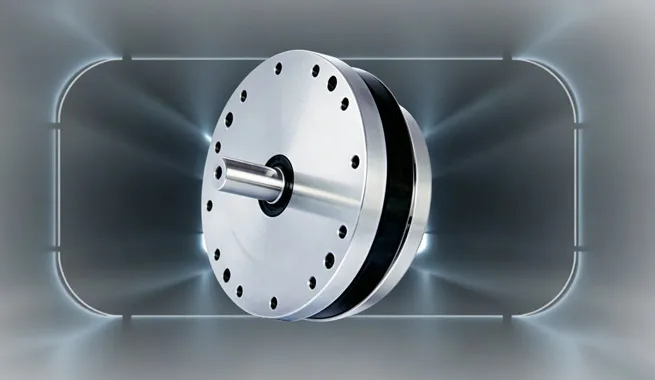
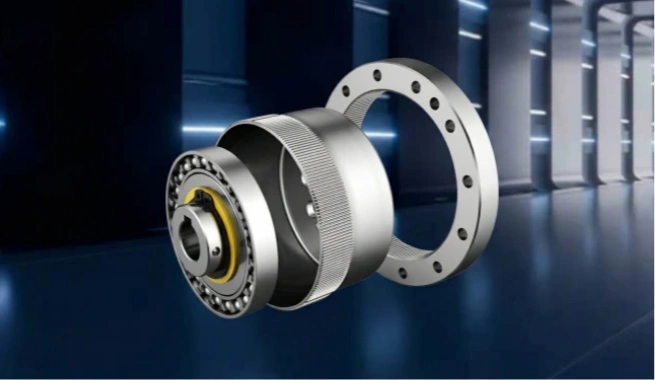
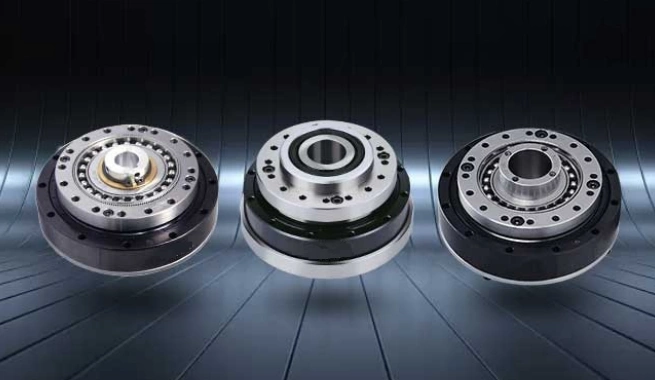
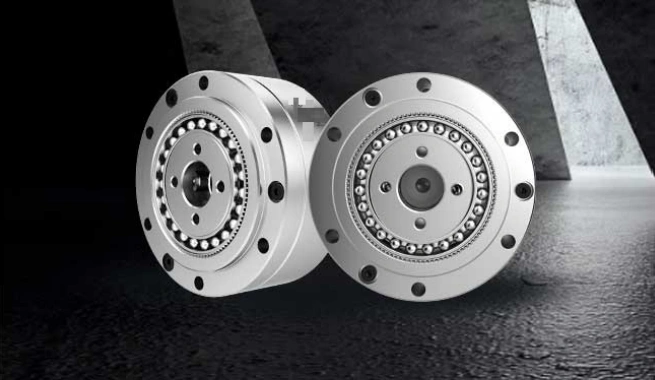
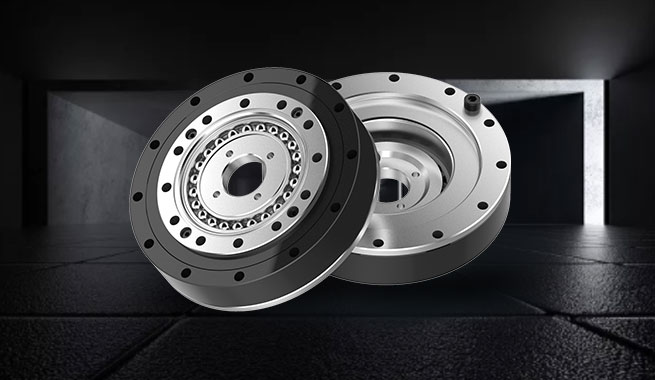
When selecting a precision transmission system, engineers often face a fundamental question:
Should you choose a harmonic gearbox (strain wave gear) or a planetary gearbox?
Both technologies are widely used in robotics, automation, and motion control systems. However, their performance differs significantly in terms of backlash, torque density, precision, and lifespan.
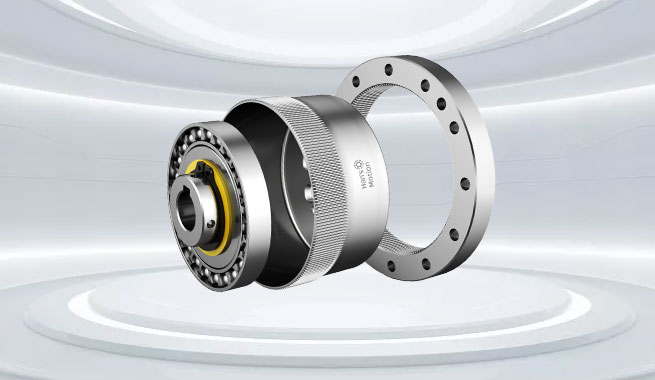
Based on elastic deformation of flexspline
Achieves motion through wave generator
Near-zero backlash by design
Uses multiple gears rotating around a sun gear
Torque distributed across multiple contact points
Common in industrial transmission
Criteria | Harmonic Gearbox | Planetary Gearbox |
Backlash | Zero / Near-zero | Low but unavoidable |
Precision | Extremely high | Medium |
Gear Ratio | High (single stage) | Limited per stage |
Size | Compact | Larger for same ratio |
Torque Density | High | Medium |
Efficiency | Medium | High |
Lifespan | High (if properly designed) | High |
Cost | Higher | Lower |
Choose a harmonic gearbox / strain wave gear when you need:
Zero backlash motion control
High precision positioning
Compact robotic joints
High reduction ratio in limited space
Planetary gearboxes are better when:
Cost is a primary concern
Slight backlash is acceptable
High efficiency is required
Not all harmonic gearboxs are equal.
Hat style (cup type) strain wave gears provide:
Better fatigue life
Higher torque capacity
More stable deformation behavior
For applications where precision cannot be compromised, harmonic gearboxs clearly outperform planetary gearboxes.
Contact us today to discuss your project requirements and find the perfect harmonic drive solutions.
Contact Us Now
Hi, I am Sophie from Shenzhen PICEA Motion Technology Co, Ltd. I have been working in overseas business trade for more than 5 years. PICEA Motion is a professional manufacturer of precision harmonic gears. Our company integrates R&D, production, sales, and after-sales services.