When you watch an ANYmal robot navigate a slippery industrial site or climb a steep set of stairs on an offshore oil rig, one thing stands out: its incredible stability. Unlike humans, who might stumble on uneven gratings, these quadruped robots move with a calculated, almost biological grace.
The secret doesn't just lie in the software algorithms; it's deeply embedded in the hardware. Specifically, it is the ANYdrive—the sophisticated integrated actuator system developed by ANYbotics.
In this article, we'll break down the mechanical and electrical engineering that makes these robot joints so stable and why the choice of internal gearing is the "make or break" factor for legged locomotion.
Most traditional robots (like those in car factories) use "stiff" actuators. They are designed to move to a precise coordinate and stay there. However, a quadruped robot walking on rubble cannot be stiff. If its foot hits a rock unexpectedly, a stiff joint would break or cause the robot to tip over.
The ANYdrive is a highly integrated, compact, and torque-controllable robot joint. It combines a brushless motor, high-precision gearing, sensors, and power electronics into a single, weather-sealed unit. This integration allows for extremely low latency between the robot's "brain" and its "muscles."
The most distinctive feature of the ANYbotics actuator system is Series Elastic Actuation (SEA).
Inside the actuator, there is an elastic element (a spring-like component) placed between the gear output and the actual robot leg. This provides several critical advantages for stability:
Shock Absorption: When the robot jumps or steps down, the elastic element absorbs the initial kinetic energy, protecting the expensive internal gears from shattering.
High-Fidelity Torque Sensing: By measuring the deflection of this spring, the robot can calculate exactly how much force it is applying to the ground.
Safe Interaction: If the robot accidentally bumps into a human or an obstacle, the "softness" of the joint prevents injury or damage.
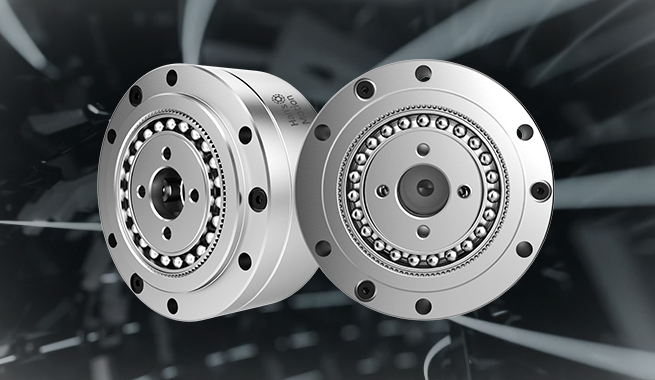
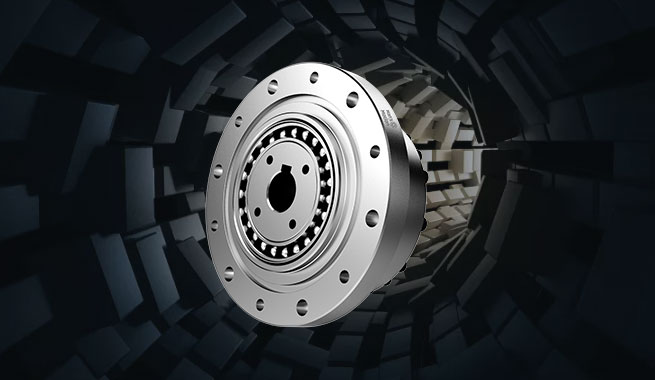
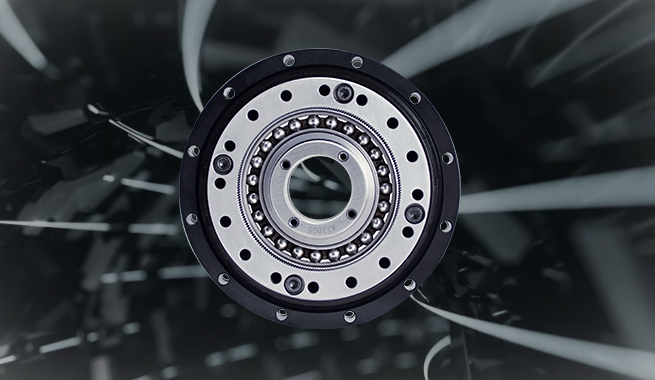
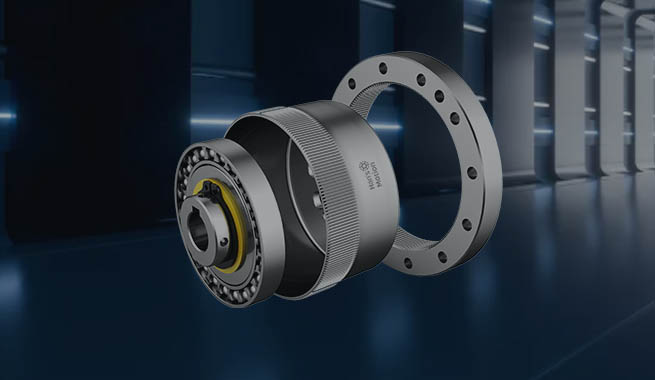
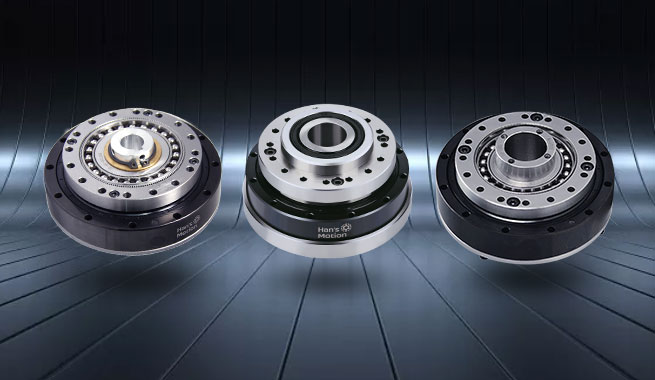
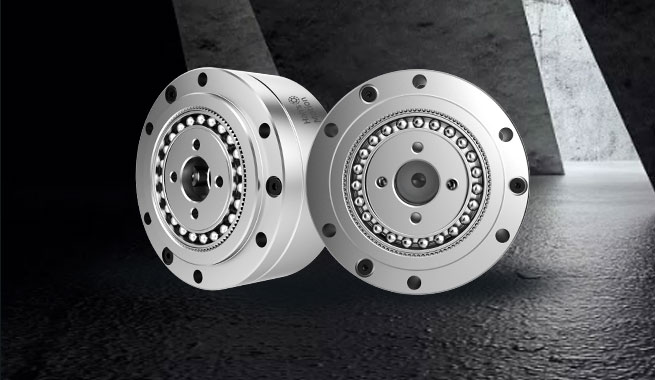
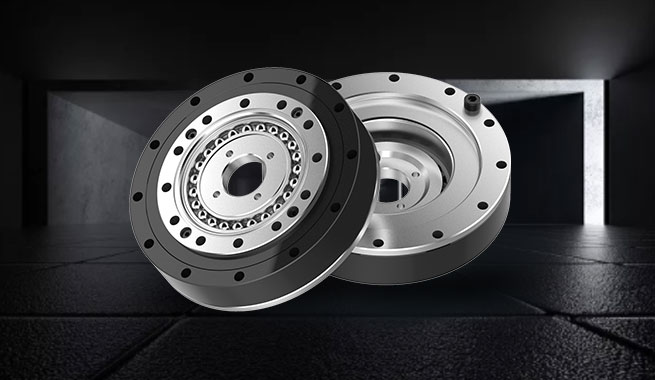
To achieve the massive torque required to lift an industrial robot while keeping the weight low, ANYbotics utilizes Harmonic Drives (also known as strain wave gears).
For a quadruped robot, the gear reducer is the most stressed component. ANYbotics chooses harmonic gearing for three specific reasons:
1. Zero Backlash: Even a fraction of a degree of "play" in a knee joint would result in a robot that wobbles. Harmonic drives ensure absolute precision.
2. Compactness: They provide high reduction ratios (e.g., 100:1) in a very slim profile, allowing the robot to have a narrow "waistline" for better agility.
3. High Torque Density: The ability to handle high peak torques during a trot or jump is essential for maintaining stability under dynamic loads.
At Picea Motion Drive, we specialize in this exact technology—providing high-torque, zero-backlash harmonic reducers that enable this level of industrial stability.
Stability is also a matter of speed. The ANYdrive features built-in dual encoders (to track motor and joint position) and integrated motor controllers.
By processing data inside the joint, the robot can adjust its torque output thousands of times per second. This "local intelligence" allows the robot to react to a slip in milliseconds—faster than the signal could travel to a central computer and back. This is why ANYmal looks so stable; it is constantly making micro-adjustments that are invisible to the human eye.
Finally, stability in the lab is easy; stability in a rainstorm is hard. The ANYbotics actuator system is fully sealed (IP67 or higher), meaning the precision harmonic gears and electronics are protected from water, dust, and grime.
The thermal management systems inside these joints ensure that even during continuous 24/7 patrolling, the heat generated by the high-torque movements is dissipated effectively, preventing performance degradation or "joint drift."
The stability of ANYbotics' robots is the result of a perfect marriage between Series Elastic Actuation and High-Precision Harmonic Gearing. By combining "soft" mechanics with "stiff" precision, they have created a machine capable of replacing humans in the most dangerous environments on earth.
For engineers and developers looking to achieve this level of performance, the journey starts with the drivetrain. Selecting a high-quality gear reducer is the first step toward building a robot that doesn't just walk but thrives in the real world.

Hi, I am Sophie from Shenzhen PICEA Motion Technology Co, Ltd. I have been working in overseas business trade for more than 5 years. PICEA Motion is a professional manufacturer of precision harmonic gears. Our company integrates R&D, production, sales, and after-sales services.