Quadruped robots are rapidly moving from research labs into real-world applications such as industrial inspection, security patrol, and hazardous environment exploration. Their ability to walk across uneven terrain, climb stairs, and maintain balance makes them uniquely valuable where traditional wheeled robots fall short.
However, this level of mobility depends heavily on one critical component: the joint actuator system.
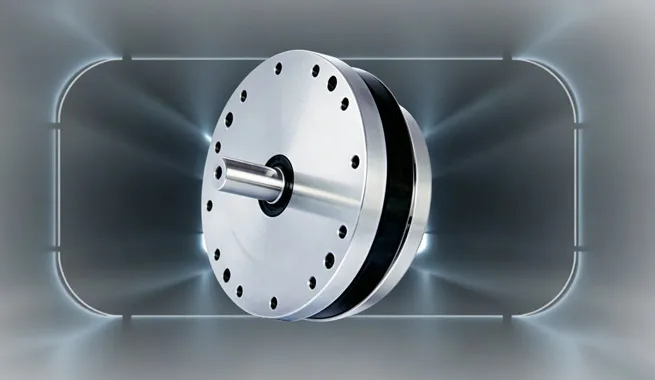
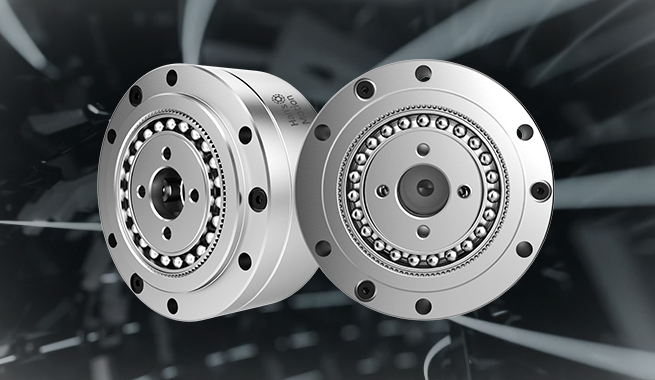
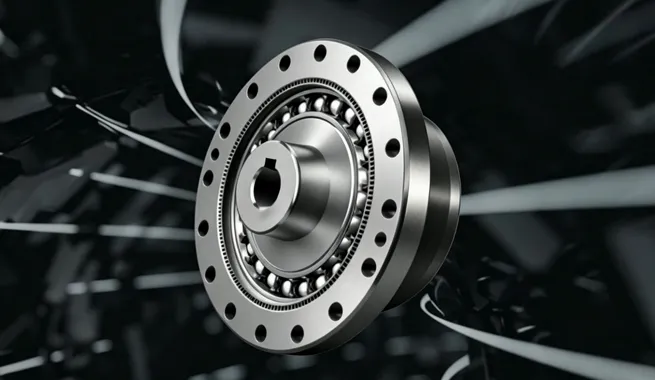
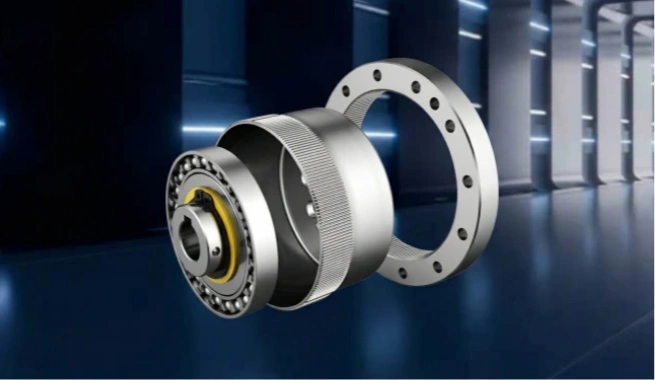
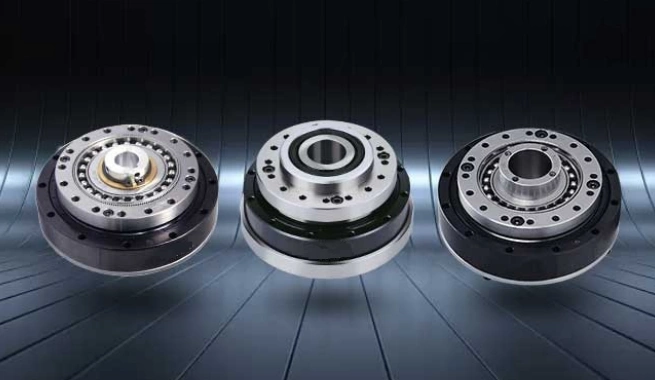
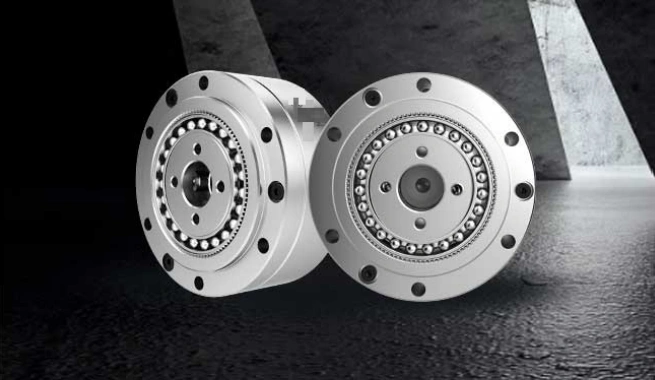
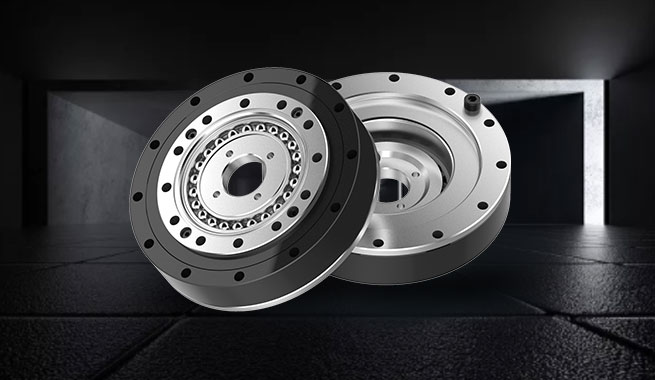
At the core of these actuators, harmonic drives (zero backlash gear reducers) play a key role in delivering the precision, torque, and responsiveness required for stable locomotion.
Each leg of a quadruped robot typically includes multiple degrees of freedom (DoF), such as hip, knee, and ankle joints. These joints must work together in real time to:
Maintain dynamic balance
Adjust to terrain variations
Execute smooth and coordinated motion
Any delay, inaccuracy, or instability at the joint level directly affects the robot’s overall performance. This makes the gear reducer inside each actuator a defining factor in system capability.
Quadruped robots must support their entire body weight while remaining agile. This requires actuators that can deliver high torque without adding excessive mass or volume.
Even minimal backlash can introduce control delays and positioning errors, which may destabilize the robot during walking or turning.
Harmonic drives provide near-zero backlash, ensuring precise and immediate response to control signals.
Heavier joints increase energy consumption and reduce battery life. Compact, lightweight reducers help maintain efficient and long-duration operation.
Harmonic drives offer several advantages that align perfectly with quadruped robot requirements:
High reduction ratios in a single stage
Compact and lightweight design
Zero backlash for precise control
High repeatability for consistent motion
These characteristics allow engineers to design joints that are both powerful and precise without compromising system efficiency.
Quadruped robots equipped with harmonic drives are increasingly used in:
Electrical substation inspection
Oil and gas facility monitoring
Mining and hazardous environment operations
In these scenarios, stable locomotion and precise movement are essential for reliable autonomous operation.
Modern harmonic drives are designed for seamless integration into robotic systems. Key features include:
Compact housing for joint embedding
Hollow shaft design for internal cable routing
Reduced mechanical complexity
Hollow shaft structures are particularly valuable, allowing power and signal cables to pass through the joint center, improving durability and system reliability.
Quadruped robot performance ultimately depends on the quality of its joint actuators. Harmonic drives provide the precision, torque density, and compact design needed to achieve stable and efficient locomotion.
As legged robotics continues to evolve, they have become a core enabling technology rather than an optional component.
Contact us today to discuss your project requirements and find the perfect harmonic drive solutions.
Contact Us Now
Hi, I am Sophie from Shenzhen PICEA Motion Technology Co, Ltd. I have been working in overseas business trade for more than 5 years. PICEA Motion is a professional manufacturer of precision harmonic gears. Our company integrates R&D, production, sales, and after-sales services.