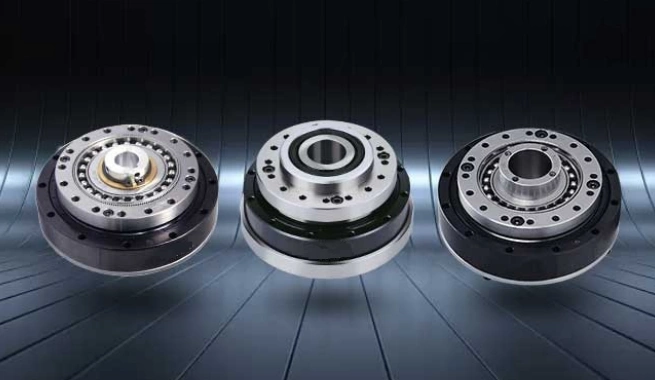
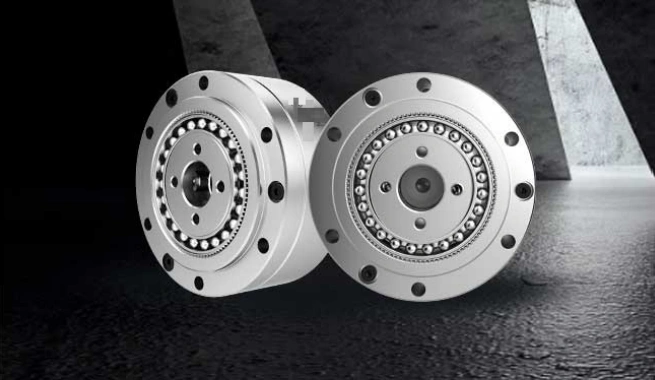
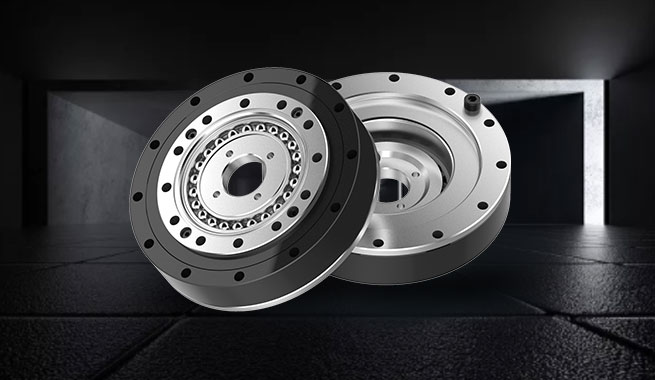
As robotics continues to advance across industries, the demand for high-precision, compact, and reliable motion control systems is increasing rapidly.
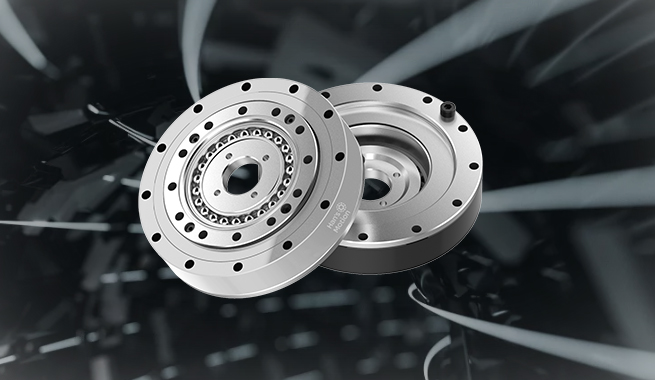
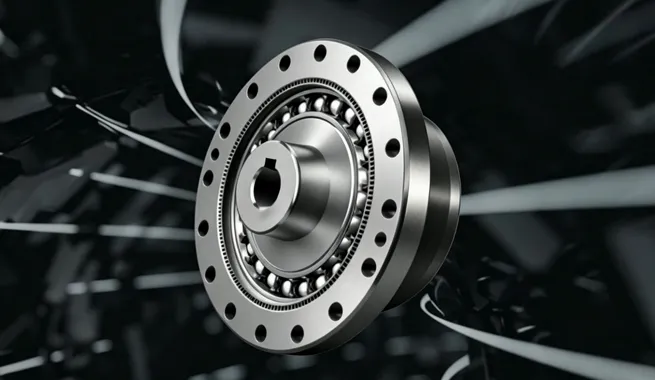
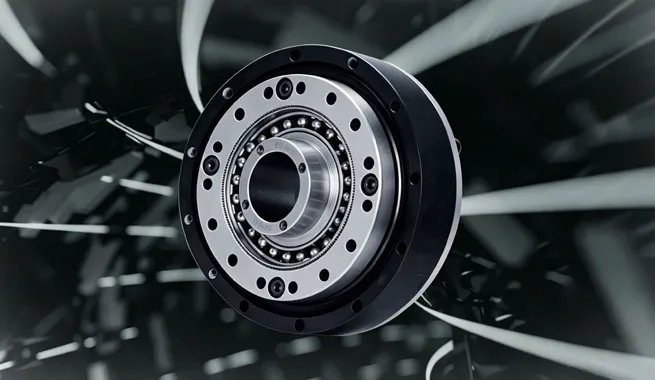
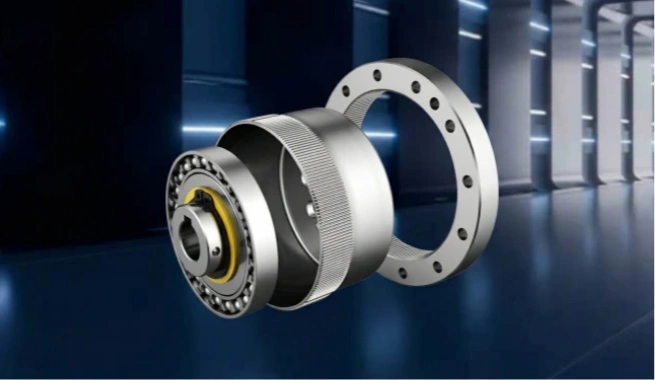
Among various transmission technologies, harmonic drives have become a key component in modern robotic systems due to their unique performance advantages.
From humanoid robots to industrial welding systems, their applications continue to expand.
Harmonic drives offer several core benefits:
Near-zero backlash
High reduction ratio in compact size
High positioning accuracy
Smooth motion transmission
These features make them ideal for robotic joints where precision and efficiency are critical.
In humanoid robots, harmonic drives are used in:
Arms → requiring high precision and dexterity
Legs → requiring torque and stability
They enable natural and controlled movement across multiple joints.
Quadruped robots rely on harmonic drives to achieve:
Stable walking and balance
Precise foot placement
Efficient motion control
Their compact design allows integration into lightweight robotic legs.
In industrial automation, harmonic drives support:
Accurate welding paths
Consistent repeatability
Smooth multi-axis coordination
This directly improves production quality and efficiency.
When selecting a harmonic drive for robotic applications, engineers should consider:
Torque requirements
Size and weight constraints
Backlash tolerance
Environmental conditions
Proper selection ensures optimal system performance and durability.
The next generation of robotic systems will demand:
Higher integration
Lighter components
Greater efficiency
Harmonic drives will continue to play a critical role in enabling these advancements.
From precision manipulation to industrial automation, harmonic drives have become a foundational technology in robotics.
Their ability to deliver accuracy, compactness, and reliability makes them essential for modern robotic joint design.
Contact us today to discuss your project requirements and find the perfect harmonic drive solutions.
Contact Us Now
Hi, I am Sophie from Shenzhen PICEA Motion Technology Co, Ltd. I have been working in overseas business trade for more than 5 years. PICEA Motion is a professional manufacturer of precision harmonic gears. Our company integrates R&D, production, sales, and after-sales services.