In modern manufacturing, welding robots are essential for achieving consistent quality and high production efficiency. However, the success of robotic welding depends on one critical factor: precision motion control.
Even the smallest deviation in joint movement can lead to:
Poor weld quality
Inconsistent seams
Increased defect rates
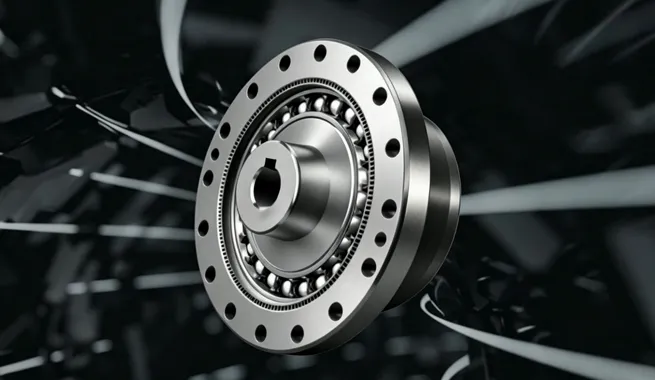
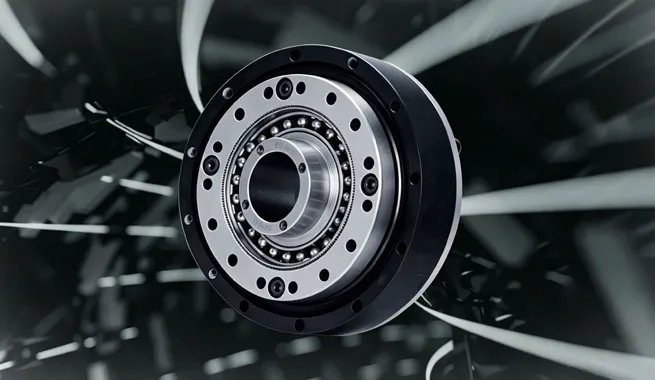
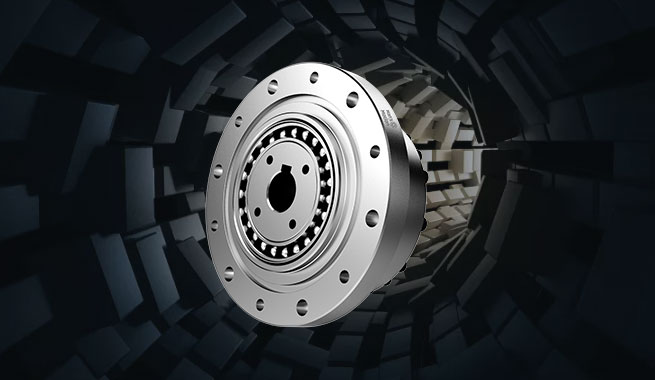
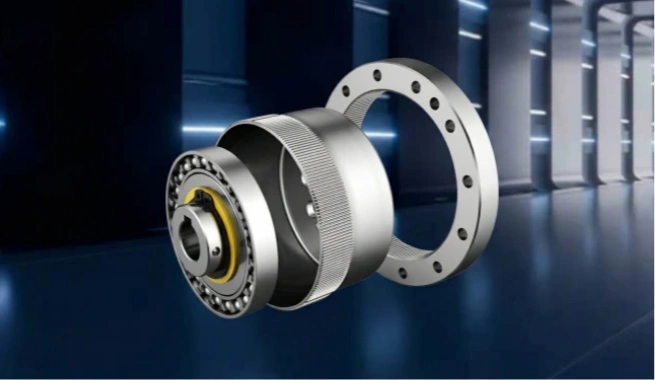
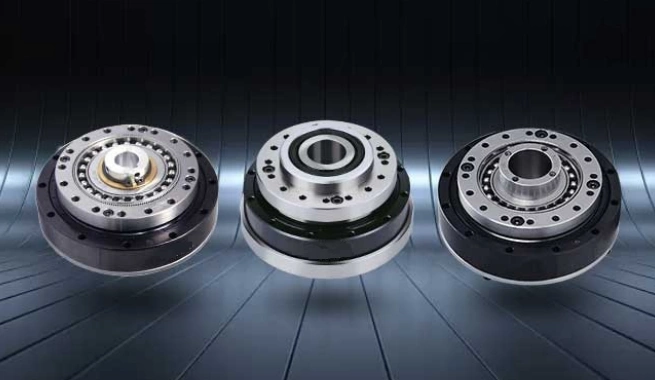
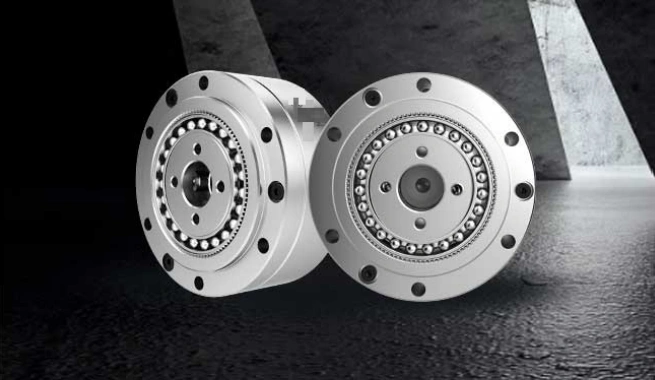
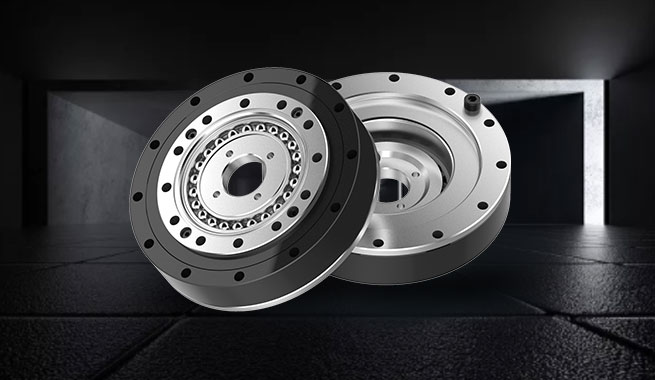
At the heart of this precision lies the gear reducer used in robotic joints. Among available technologies, harmonic drives have become a preferred solution for high-precision welding applications.
Robotic welding requires smooth and accurate trajectory control across multiple axes. The robot must maintain:
Constant speed
Stable positioning
Accurate path tracking
Any mechanical play or vibration in the joint can directly affect weld quality.
Traditional gear reducers, such as planetary gearboxes, often introduce:
Backlash
Vibration under load
Gradual loss of precision over time
These issues can lead to inconsistent welding performance, especially in high-precision applications.
Harmonic drives eliminate backlash, allowing the robot to follow precise welding paths without delay or deviation.
Consistent joint positioning ensures uniform weld seams across repeated operations, which is critical for mass production.
Their compact size makes harmonic drives ideal for integration into complex multi-axis robotic arms, especially in wrist joints where space is limited.
Harmonic drives are commonly used in:
Shoulder joints (large movement range)
Elbow joints (load handling)
Wrist joints (high precision control)
This combination ensures both strength and accuracy throughout the robotic arm.
Welding environments often involve:
High temperatures
Continuous operation cycles
Exposure to dust and fumes
Harmonic drives maintain stable performance under these conditions, supporting long-term reliability and reduced maintenance.
For welding robots, precision is not optional—it is fundamental.
Harmonic drives provide the zero-backlash performance, repeatability, and compact design needed to ensure consistent weld quality and efficient production.
Contact us today to discuss your project requirements and find the perfect harmonic drive solutions.
Contact Us Now
Hi, I am Sophie from Shenzhen PICEA Motion Technology Co, Ltd. I have been working in overseas business trade for more than 5 years. PICEA Motion is a professional manufacturer of precision harmonic gears. Our company integrates R&D, production, sales, and after-sales services.