As robotics continues to evolve—from humanoid systems to quadruped robots and collaborative automation—the industry is rapidly shifting toward integrated joint modules.
Instead of assembling motors, reducers, encoders, and controllers separately, many robot manufacturers now rely on pre-engineered joint modules to accelerate development, reduce complexity, and improve system reliability.
At the heart of every high-performance joint module lies a critical component: the gear reducer.
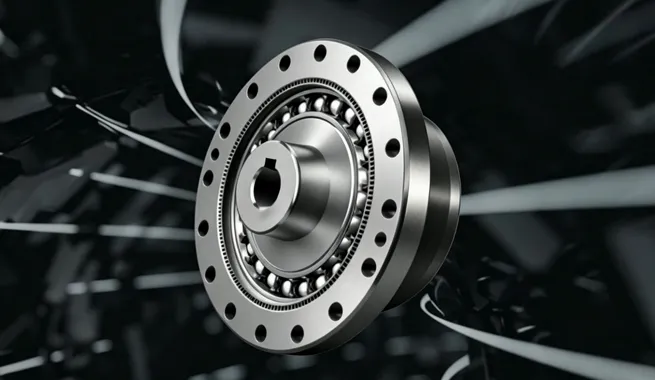
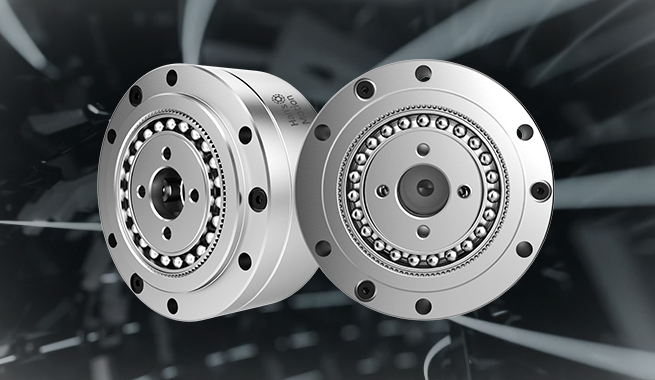
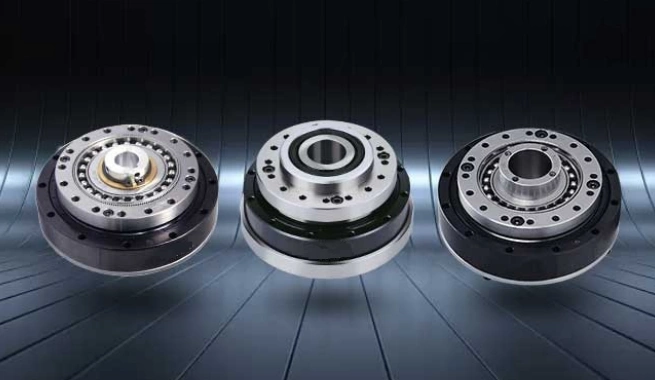
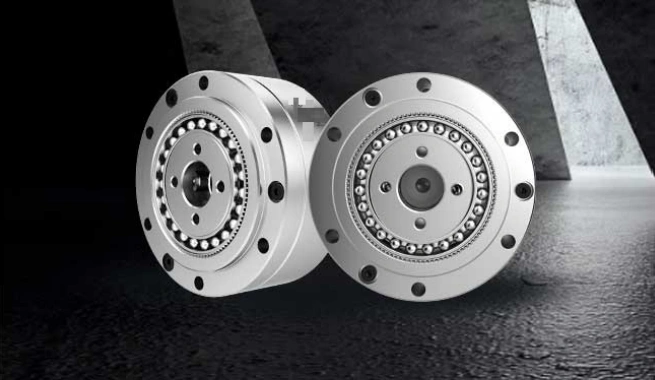
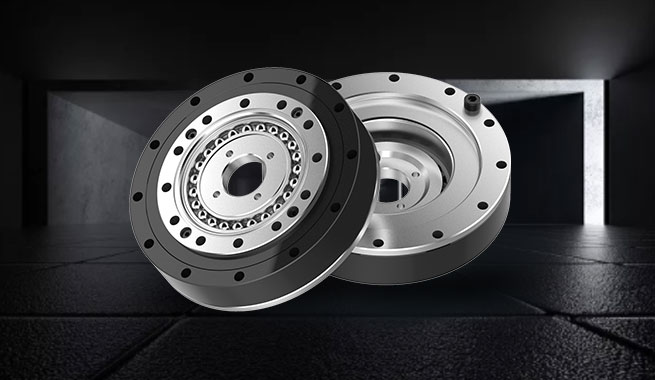
Among all available technologies, harmonic drives (zero backlash gear reducers) have become the preferred choice for modern robotic joint modules.
A robotic joint module is more than just a motor with a gearbox. It is a compact system that must simultaneously deliver:
High torque output
Precise motion control
Compact size and low weight
Long-term reliability under dynamic loads
For joint module manufacturers, the challenge is clear:
how to integrate maximum performance into minimal space without compromising durability.
This is where harmonic drives offer a unique advantage.
In robotic systems, especially humanoid and legged robots, precision is critical.
Even minimal backlash in a reducer can result in:
Positioning errors
Control instability
Reduced repeatability
Harmonic drives feature near-zero backlash, ensuring:
Accurate trajectory tracking
Smooth motion control
Reliable performance in multi-axis coordination
This is essential for joint modules used in robot arms, legs, and articulated systems.
Joint modules are space-constrained by design.
Traditional gear systems often require multiple stages to achieve high reduction ratios, increasing size and weight.
Harmonic drives, however, provide:
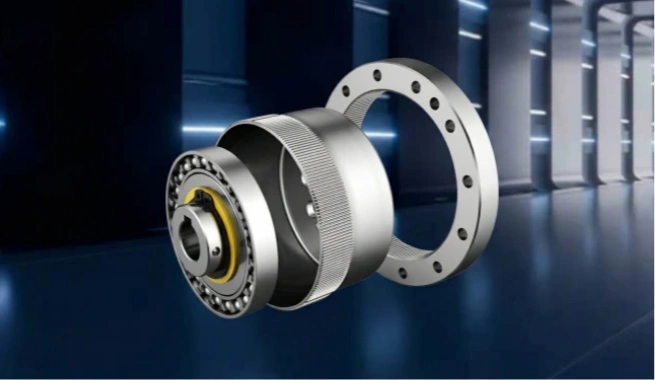
High reduction ratios in a single stage
Compact and lightweight structure
Efficient torque transmission
This allows joint module manufacturers to design smaller, lighter, and more powerful actuators.
Modern joint modules typically integrate:
Servo motor
Gear reducer
Encoder
Drive electronics
Harmonic drives are particularly well-suited for this architecture due to their:
Coaxial design
Compact axial length
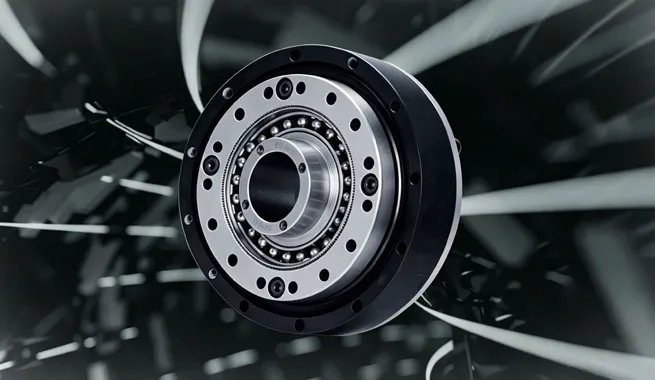
Compatibility with hollow shaft structures
A hollow shaft harmonic drive allows cables and signal lines to pass through the center of the joint, which:
Simplifies wiring design
Reduces cable wear
Improves overall system reliability
Robotic joints—especially in legs or mobile systems—are exposed to:
Repeated acceleration and deceleration
Impact forces from movement
Continuous cyclic loads
Harmonic drives distribute load across multiple teeth simultaneously, which helps:
Improve load-bearing capacity
Maintain accuracy over time
Reduce wear under cyclic conditions
For joint module manufacturers, this translates into longer product lifespan and fewer field failures.
Harmonic drives are widely used in joint modules for:
Shoulder, elbow, and wrist joints
Hip and knee actuation
High precision + smooth motion
Hip and knee joints
High torque + dynamic stability
Compact integration
Multi-axis articulated arms
Safety-critical precision control
High-repeatability positioning
Compact robotic actuators
At Picea Motion Drive, we focus on delivering harmonic drive solutions specifically optimized for robotic joint integration.
We understand that for joint module manufacturers, success depends on:
Performance consistency
Integration flexibility
Supply reliability
Cost-performance balance
Our solutions are designed to support:
Compact joint module architectures
High torque density requirements
Zero-backlash precision control
Custom mechanical interfaces
Whether you are developing humanoid robots, quadruped systems, or industrial robotic modules, our engineering team works closely with you to ensure optimal integration.
As robotic systems become more advanced and compact, joint modules are becoming the standard building block of modern robot design.
And within these modules, the gear reducer is no longer just a component—it is a defining factor of performance.
Harmonic drives enable the precision, compactness, and reliability that next-generation robotic joints demand.
Contact us today to discuss your project requirements and find the perfect harmonic drive solutions.
Contact Us Now
Hi, I am Sophie from Shenzhen PICEA Motion Technology Co, Ltd. I have been working in overseas business trade for more than 5 years. PICEA Motion is a professional manufacturer of precision harmonic gears. Our company integrates R&D, production, sales, and after-sales services.