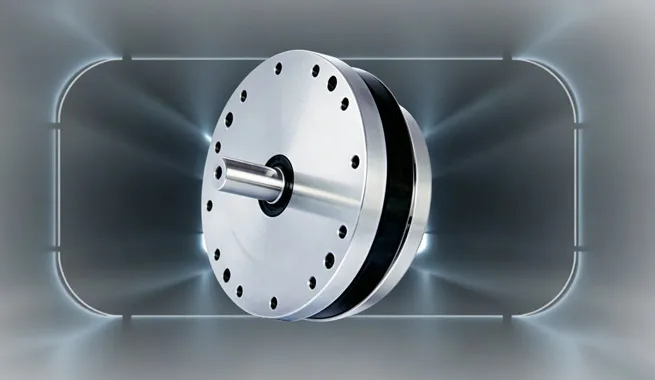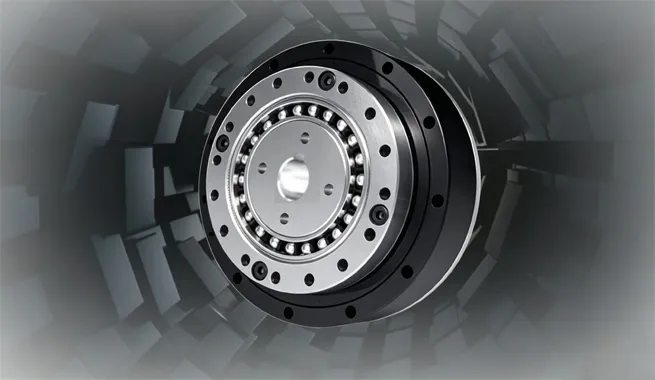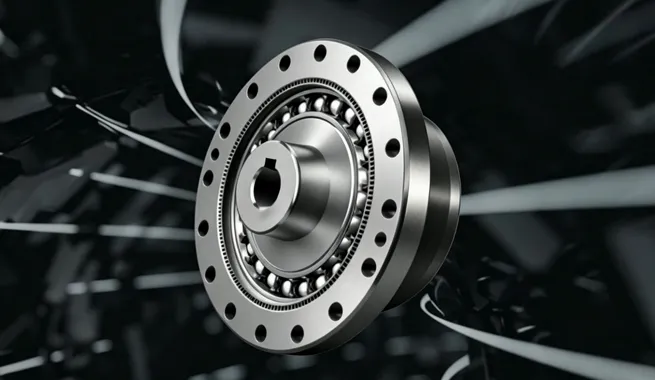
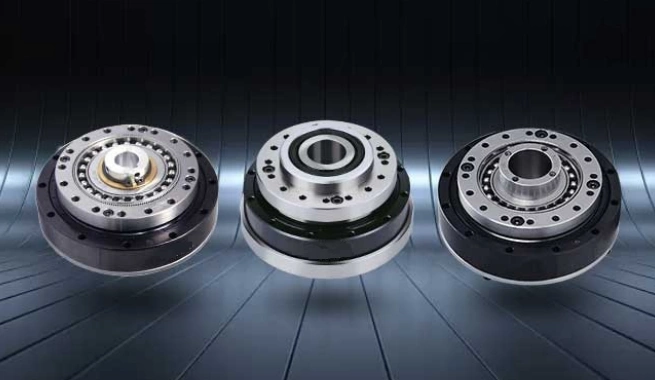
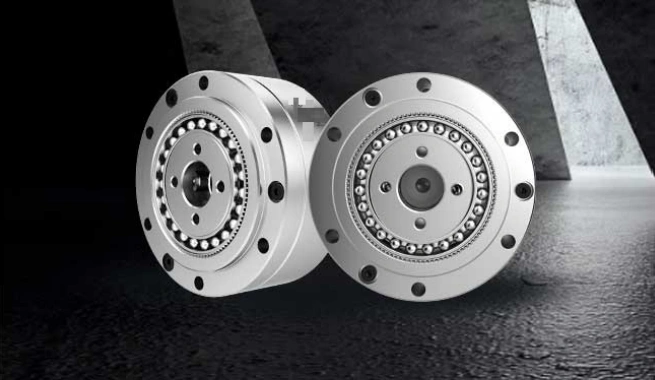
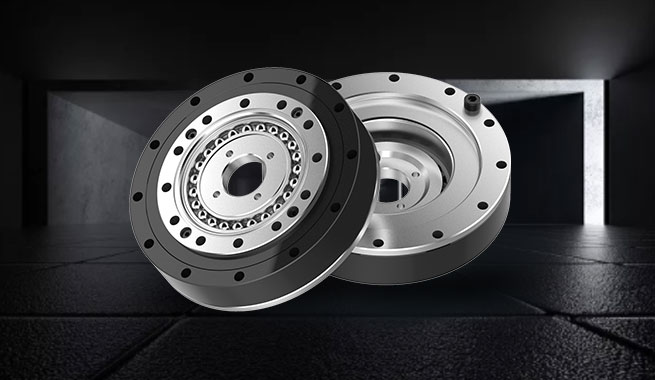
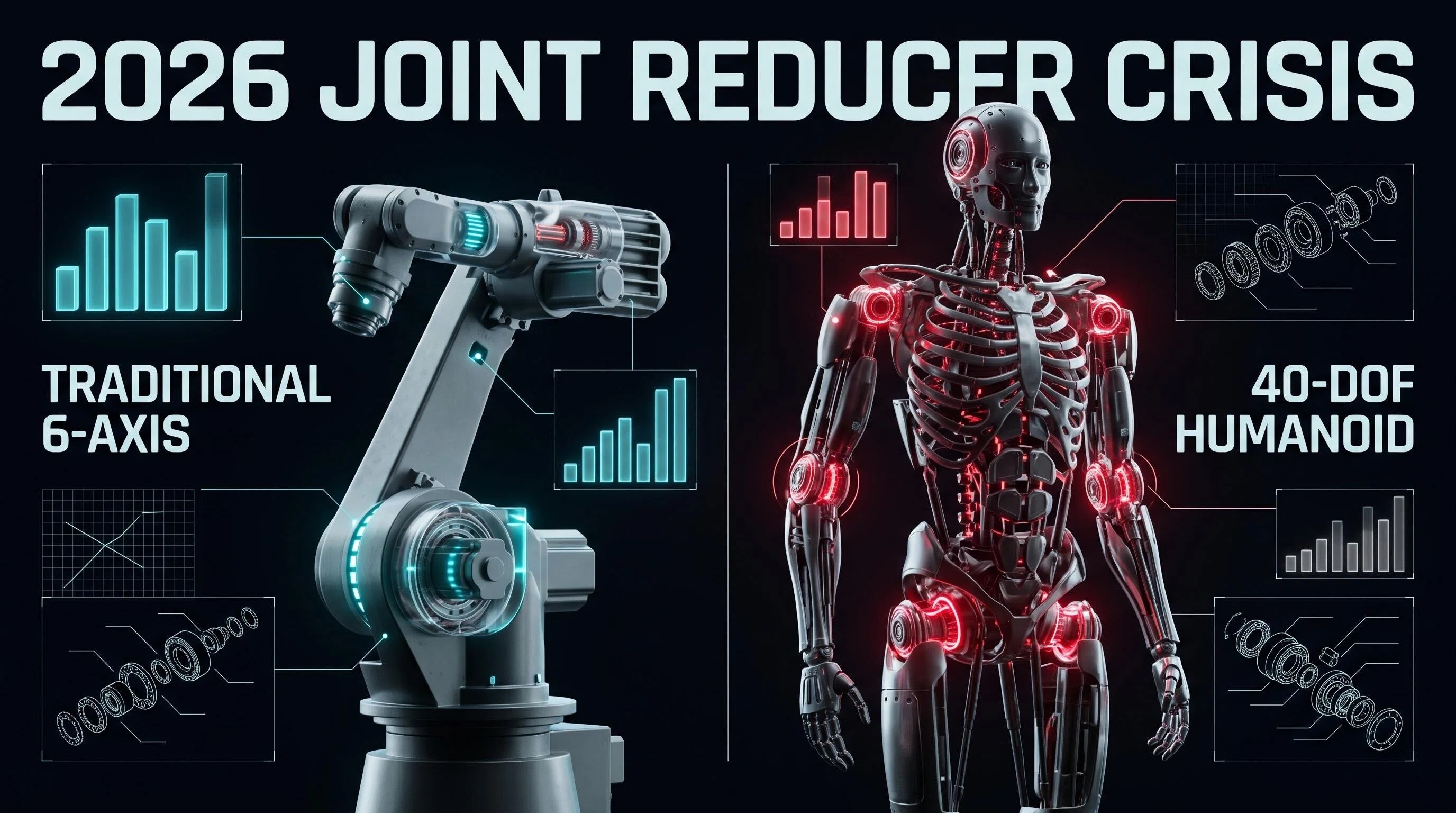
As the robotics industry accelerates toward commercialization in 2026, developers of bipedal and humanoid robots are hitting a severe supply chain wall. While advancements in AI and vision systems are scaling rapidly via software, the physical hardware is lagging. At the heart of this hardware crisis is one critical component: the harmonic gearbox (strain wave gear).
A standard humanoid robot requires anywhere from 30 to 40 active degrees of freedom (DoF), with the majority of these joints relying on high-precision reducers. Understanding why these components are so difficult to mass-produce is essential for any robotics company looking to scale from prototype to production.
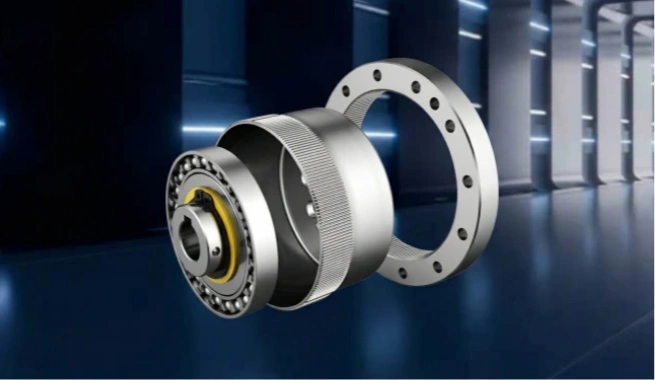
To understand the bottleneck, we must first look at why humanoid robots rely almost exclusively on this specific type of gearing. Unlike traditional planetary gears, harmonic gearboxs operate on the principle of elastic dynamics. They consist of three core components: the Wave Generator, the Flexspline, and the Circular Spline.
This unique architecture provides two non-negotiable benefits for bipedal robotics:
Zero Backlash: Humanoid robots require absolute precision to maintain balance and execute dynamic movements (like walking or manipulating delicate objects). Strain wave gears offer near-zero backlash, eliminating the "play" or clearance between gear teeth.
Extreme Torque-to-Weight Ratio: To maximize battery life and agility, humanoid joints must be ultra-lightweight while delivering massive torque. Harmonic gearboxs deliver high reduction ratios (often 1:50 to 1:160) in an incredibly compact footprint.
Key Insight: You cannot build a commercially viable humanoid robot using bulky, low-ratio industrial gears. You needprecision strain wave gears, but their very design makes them inherently difficult to manufacture at scale.
Why can't the industry simply manufacture more harmonic gearboxs to meet the surging demand? The answer lies in the intersection of material science, machining limits, and traditional supply chain structures.
The Flexspline is a thin-walled, flexible metal cup with external teeth. During operation, it is constantly deformed by the elliptical Wave Generator. It must be flexible enough to bend millions of times without fracturing, yet rigid enough to transmit high torque. Achieving this requires proprietary metallurgy and complex heat treatment processes. A failure in material consistency leads directly to joint failure.
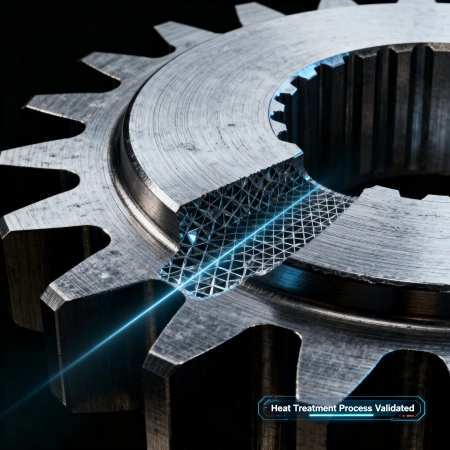
Harmonic gearboxs rely on the simultaneous engagement of up to 30% of their gear teeth at any given time. If the tooth profile is off by even a few microns, the gear will suffer from vibration, accelerated wear, or catastrophic jamming.
Historically, the robot reducer markethas been dominated by a few legacy manufacturers. This oligopoly was built to serve the steady, predictable demand of traditional industrial robot arms—not the explosive, high-volume demands of humanoid mass production.
| Production Factor | Traditional Industrial Demand | Humanoid Robot Demand |
| Units per Robot | 6 (Robot Arm) | 30 - 40 (Bipedal Humanoid) |
| Lead Times | Acceptable (3-6 months) | Bottleneck (Prevents scaling) |
| Cost Sensitivity | Low to Moderate | Extremely High |
The scarcity and complexity of these components have a direct impact on the Bill of Materials (BOM). Currently, precision actuators and reducers can account for up to 40% of the total hardware cost of a humanoid robot.
For the humanoid market to reach mainstream viability—deploying in warehouses, factories, and eventually homes—the cost per joint must drop significantly. This cannot happen without a fundamental shift in how these robotic joint actuators are manufactured and sourced.
To break the scaling bottleneck, the robotics industry requires manufacturing partners who combine deep metallurgical expertise with modern, scalable production architectures.
At Picea Motion Drive, we address these pain points directly by optimizing the manufacturing process for high-yield, high-precision output. By integrating advanced CNC machining with rigorous, automated quality control (QC) testing, we ensure that every flexspline and circular spline meets the exact zero-backlash requirements of modern robotics—without the crippling lead times of legacy suppliers.
As the industry pushes toward 2026, the winners in the humanoid race will not just be those with the best AI, but those who secure a reliable, scalable supply of precision robot reducers. Securing your hardware supply chain today is the only way to guarantee your deployment targets tomorrow.
Contact us today to discuss your project requirements and find the perfect harmonic drive solutions.
Contact Us Now
Hi, I am Sophie from Shenzhen PICEA Motion Technology Co, Ltd. I have been working in overseas business trade for more than 5 years. PICEA Motion is a professional manufacturer of precision harmonic gears. Our company integrates R&D, production, sales, and after-sales services.