Tesla Optimus represents one of the most ambitious humanoid robotics programs today. Beyond AI and perception systems, the mechanical design of joint actuators is what enables this robot to move, grasp, and interact safely with humans.
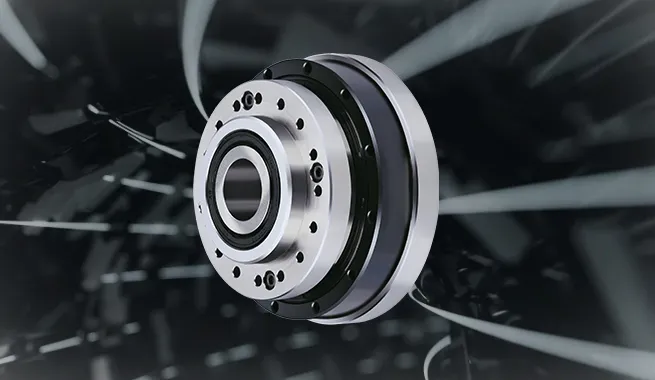
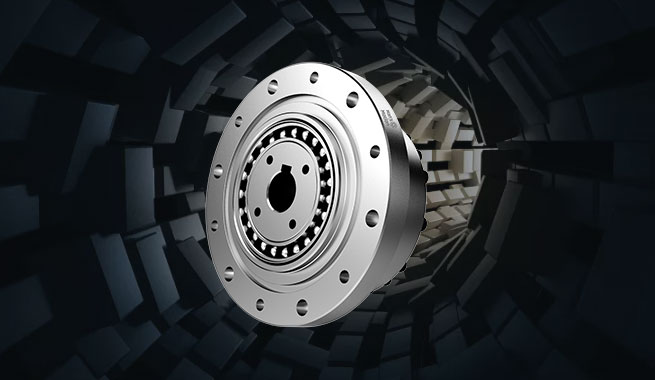
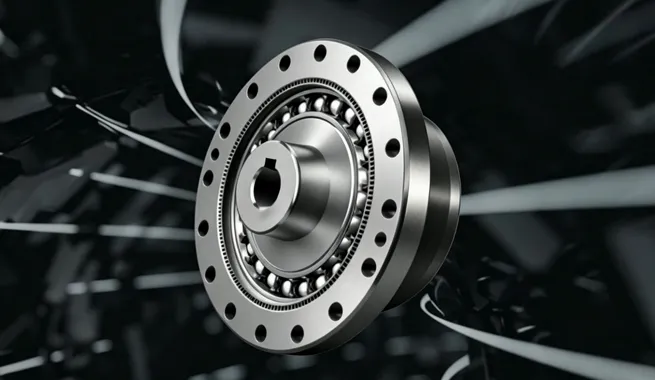
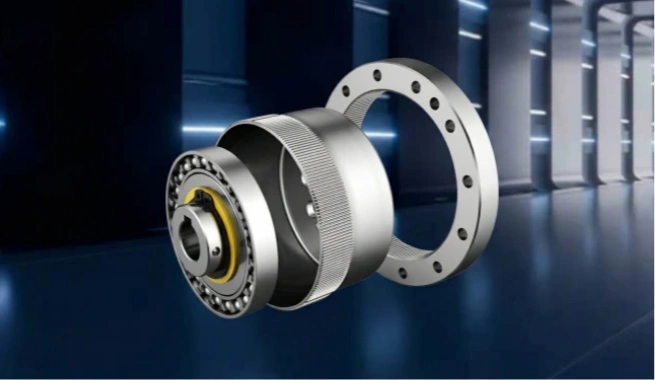
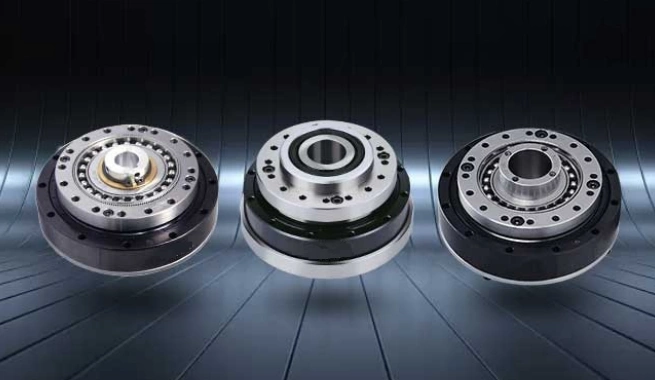
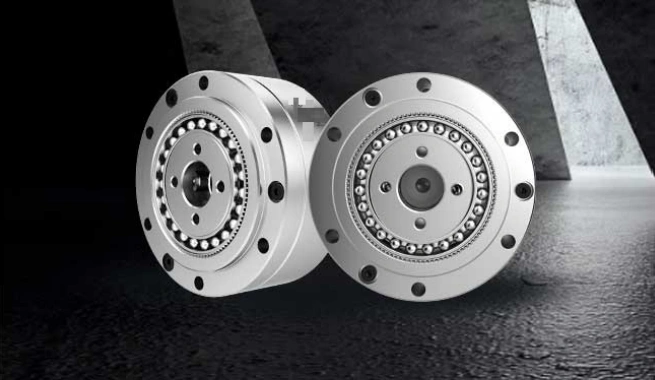
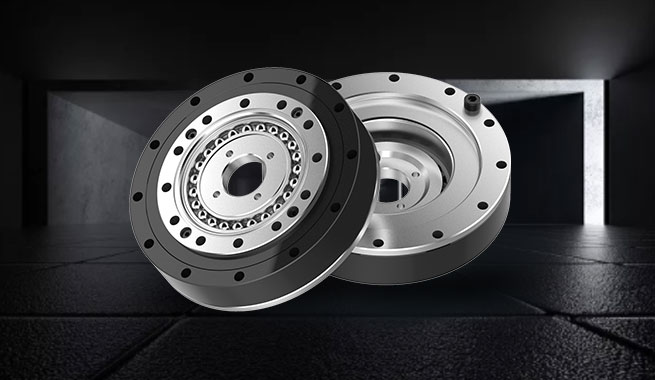
Harmonic gearboxs are central to Optimus’ performance, providing precision motion and high torque density in compact joints.
Tesla Optimus must handle:
· Multi-DoF arm and leg movements
· Dynamic balance during walking
· Rapid acceleration and deceleration
· Delicate manipulation of objects
Each joint requires near-zero backlash, high torque density, and compact form factors to maintain human-like proportions.
1. Zero Backlash for Precision Control
Essential for arm trajectories and hand dexterity
Ensures exact fingertip positioning
2. High Torque Density
Reduces motor size without sacrificing strength
Enables lifting or moving payloads with minimal weight penalty
3. Compact Form Factor
Allows integration of motors, encoders, and wiring inside the joint
Reduces the overall mass of the limb
· Joint-specific actuation matters: Arms, legs, and wrists have different load profiles.
· Consider cable management: Hollow-shaft harmonic gearboxs allow internal routing.
· Plan for dynamic loads: Even a high-precision harmonic gearbox may require SEAs or damping for leg joints.
Tesla Optimus’ joint design demonstrates the power of harmonic gearboxs in humanoid robots. For engineers, studying this approach highlights the importance of precision, torque density, and compact integration for next-generation robotic platforms.
At Picea Motion Drive, we provide harmonic gearbox solutions suitable for humanoid robots and robotic arms, enabling engineers to replicate high-precision, high-performance actuation in their designs.
Contact us today to discuss your project requirements and find the perfect harmonic drive solutions.
Contact Us Now
Hi, I am Sophie from Shenzhen PICEA Motion Technology Co, Ltd. I have been working in overseas business trade for more than 5 years. PICEA Motion is a professional manufacturer of precision harmonic gears. Our company integrates R&D, production, sales, and after-sales services.