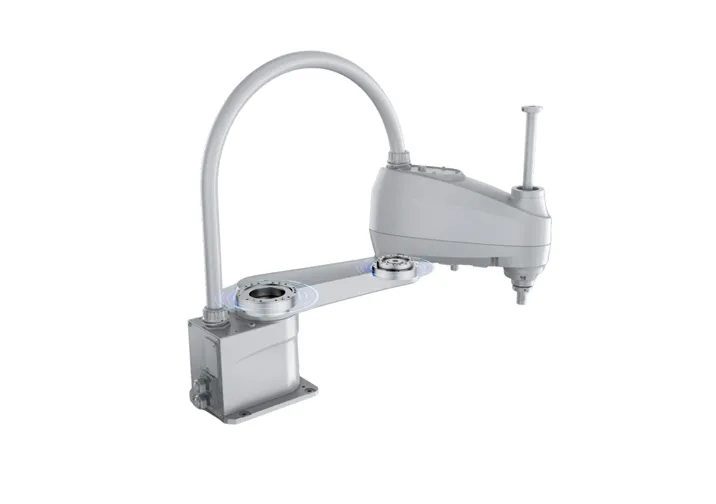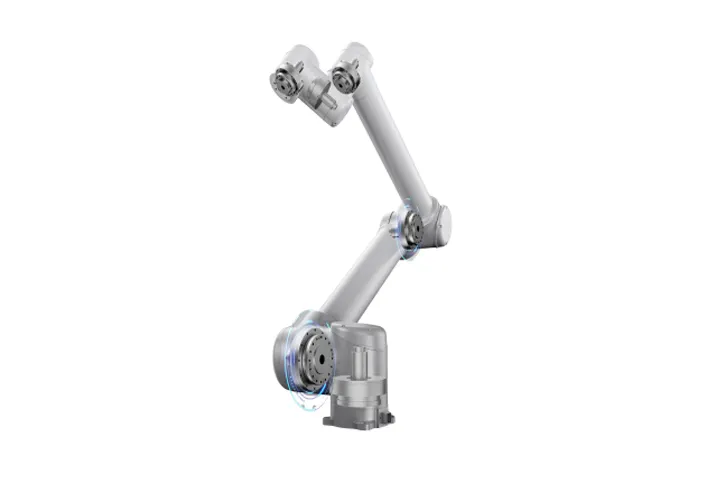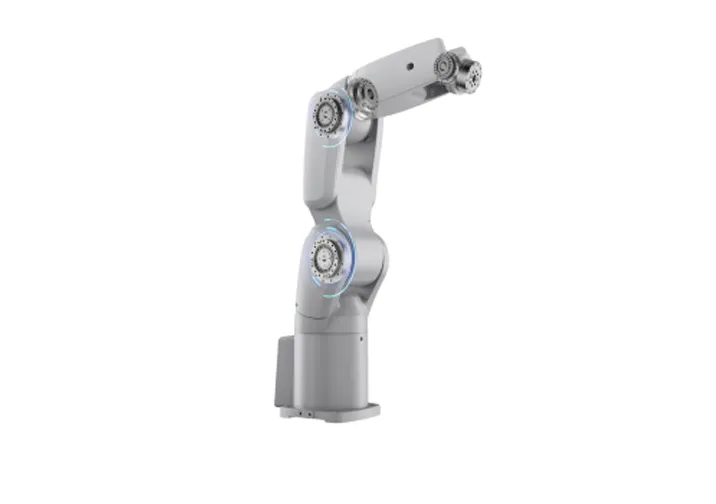
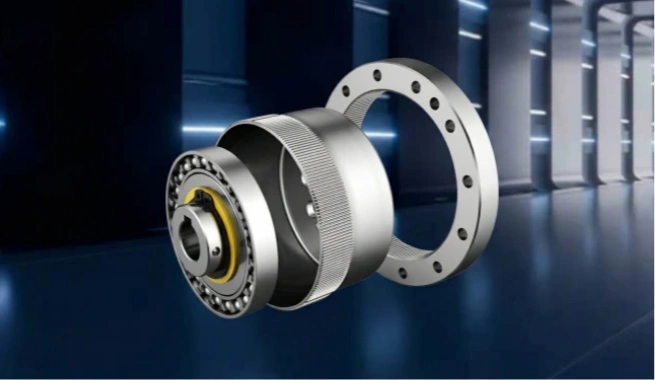
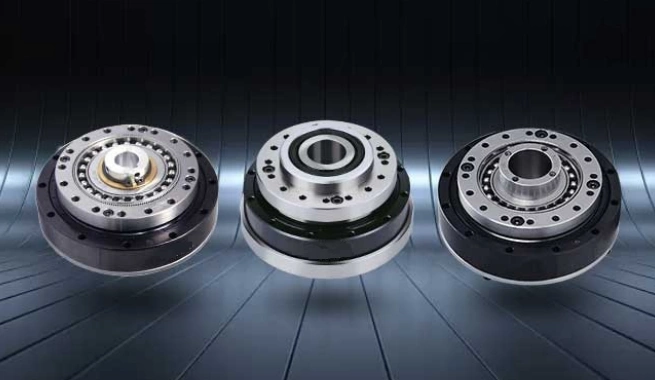
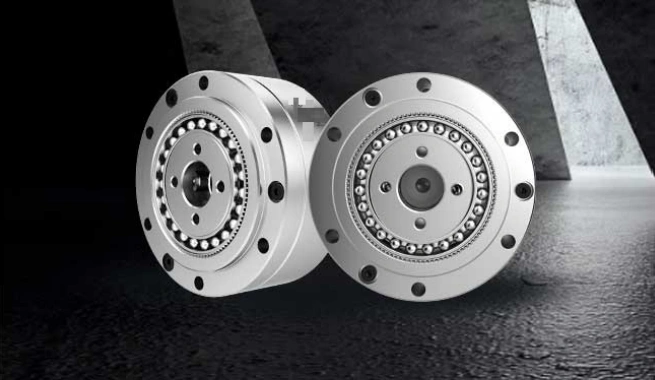
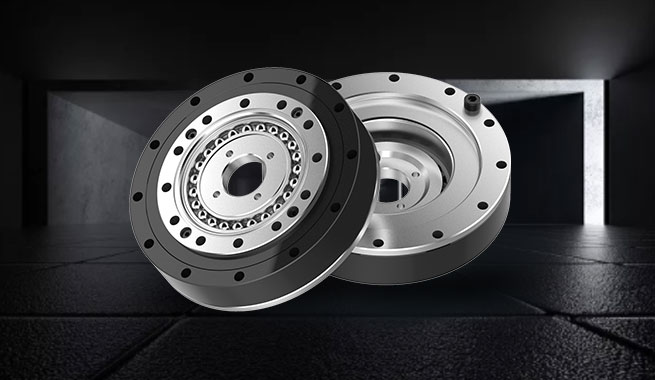
A surgical robotic arm typically has 6 to 8 degrees of freedom, and each joint requires:High reduction ratio (50:1~160:1), extremely low backlash, high repeatability positioning accuracy, and as small a volume as possible. The motor itself has high speed and low torque, so it must be equipped with a precision reducer..The harmonic reducer from PICEA Motion fully meets the basic requirements for entering the surgical robot industry chain, as surgical robots have highly similar requirements for joint transmission systems to high-end collaborative robots and humanoid robots: high precision, zero backlash, small size, low vibration, and high reliability.
| Index | Harmonic reducer | RV reducer |
| Volume | Smaller | Larger |
| Weight | Lighter | Heavier |
| Precision | Extremely high | High |
| Applicable joints | Small and medium joints | High-load joints |
| Surgical robot applicability | Very high | General |
Based on the characteristics of PICEA MOTION's existing products, especially the ultra-flat series (PMCD-II), its features include: ultra-thin structure,high positioning accuracy, input and output are coaxial,compact and lightweight, Suitable for robot end-effector applications. These features are highly compatible with the requirements of surgical robots
1. Main robotic arm joint.
For example:shoulder joint, elbow joint, wrist joint.
2. Surgical instrument wrist.
PICEA MOTION harmonic drive sieze 8, 11, 14 series are very suitable for the end effector of surgical robots
3. Camera robotic arm
Requirements for endoscope robotic arm: No jitter, high stability, low noise
PICEA MOTION harmonic reducer can provide: Smooth motion with high repeatability, It is highly suitable for endoscope control systems.