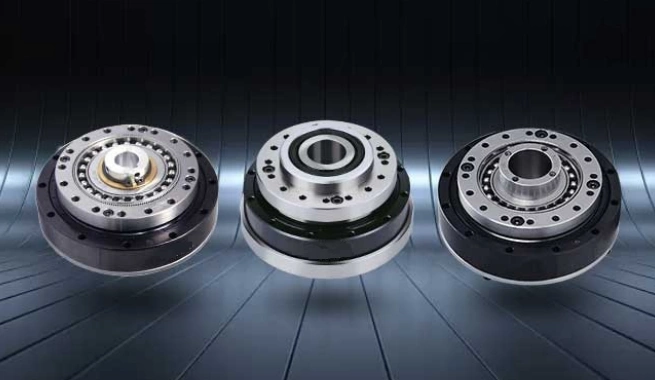
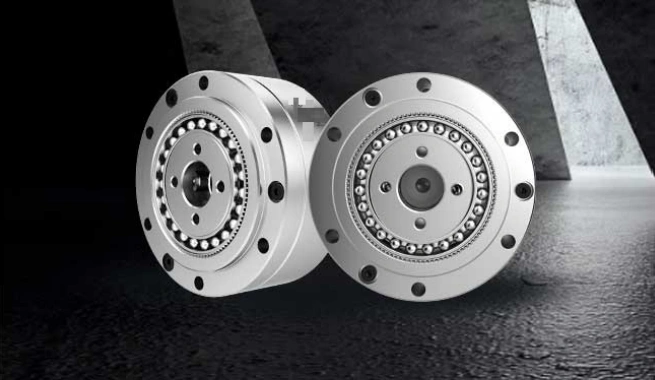
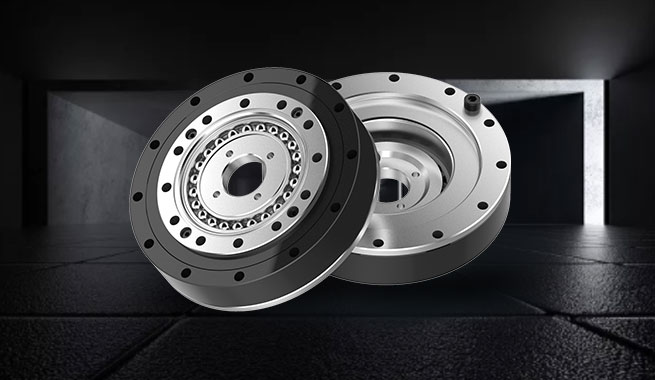
Humanoid robots are rapidly transitioning from research projects to commercial products.
Companies such as Tesla, Figure AI, Agility Robotics, and Unitree are investing heavily in next-generation humanoid platforms capable of performing tasks previously reserved for human workers.
Behind the impressive AI systems and advanced perception technologies lies a less visible but equally critical component: the robot's joint transmission system.
For a humanoid robot to walk, grasp objects, climb stairs, and interact safely with people, every joint must deliver exceptional precision and torque.
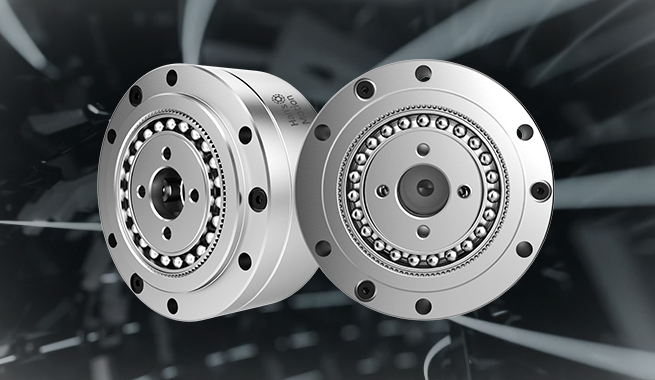
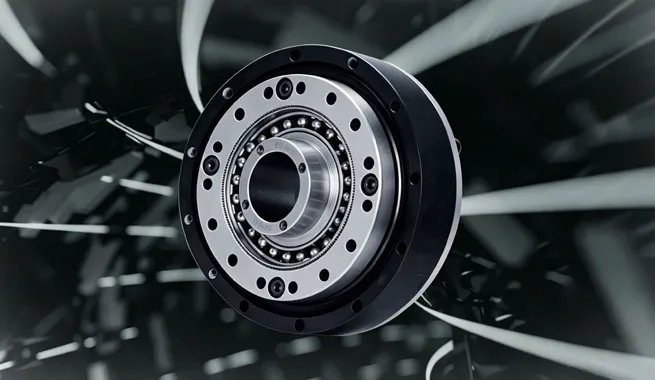
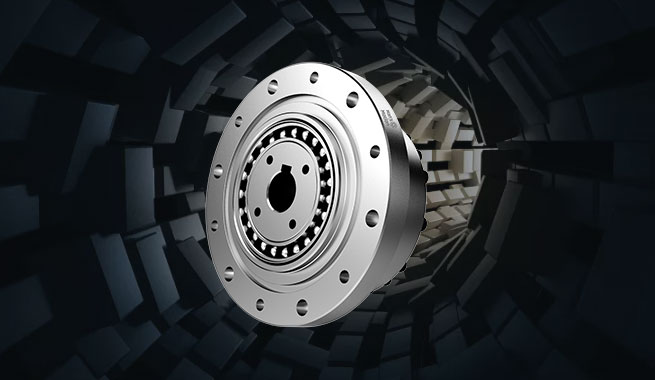
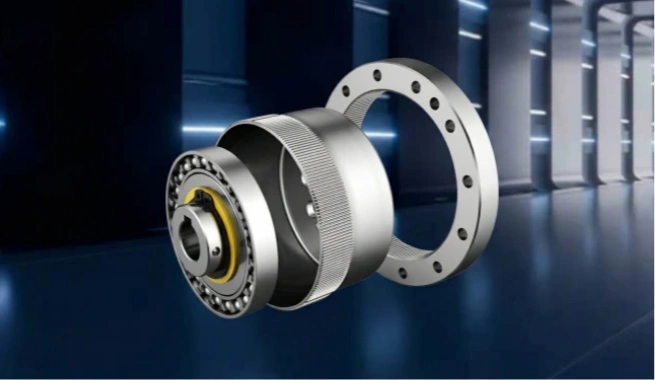
This is why harmonic gearboxs have become one of the most important technologies in modern humanoid robot design.
A humanoid robot typically contains more than 30 degrees of freedom.
Each joint must perform precise movements while simultaneously handling:
· Continuous motion cycles
· Dynamic loads
· Rapid acceleration and deceleration
· Real-time feedback control
Any mechanical error within the joint can affect the entire robot's stability.
Even a small amount of backlash in a shoulder, elbow, hip, or knee can result in:
· Reduced positioning accuracy
· Poor force control
· Instability during walking
This makes the gearbox a critical part of the actuator system.
Harmonic gearboxs maintain continuous tooth engagement between components.
This design virtually eliminates backlash and allows:
· Precise trajectory tracking
· Smooth motion control
· Accurate force feedback
For robotic hands and arms performing delicate tasks, this level of precision is essential.
Humanoid robots require powerful joints without excessive weight.
Harmonic gearboxs provide:
· High reduction ratios
· Compact dimensions
· Lightweight construction
This enables engineers to maximize torque output while maintaining human-like proportions.
Modern humanoid robots contain motors, encoders, sensors, and wiring within extremely limited spaces.
Many harmonic gearboxs feature hollow shaft designs that allow:
· Internal cable routing
· Cleaner actuator architecture
· Improved reliability
This is particularly valuable for shoulder, elbow, wrist, and finger joints.
While leg joints receive significant attention, robotic arms present their own challenges.
Industrial and service robots increasingly require:
· Accurate pick-and-place operations
· Tool manipulation
· Human-machine collaboration
For these applications, harmonic gearboxs help achieve:
· Repeatable positioning
· Smooth motion
· Precise end-effector control
This is why harmonic gearboxs are widely used in robotic arm actuators across manufacturing, logistics, and healthcare industries.
At Picea Motion Drive, we develop harmonic gearbox solutions designed for advanced robotic applications.
Our systems help engineers achieve:
· Zero-backlash precision
· High torque density
· Compact integration
· Long service life
Whether designing humanoid robots, robotic arms, or custom automation equipment, selecting the right harmonic gearbox can significantly improve overall system performance.
As humanoid robotics continues to evolve, demand for precision joint control will only increase.
Harmonic gearboxs provide the accuracy, efficiency, and compactness required to enable the next generation of intelligent robotic systems.
Contact us today to discuss your project requirements and find the perfect harmonic drive solutions.
Contact Us Now
Hi, I am Sophie from Shenzhen PICEA Motion Technology Co, Ltd. I have been working in overseas business trade for more than 5 years. PICEA Motion is a professional manufacturer of precision harmonic gears. Our company integrates R&D, production, sales, and after-sales services.