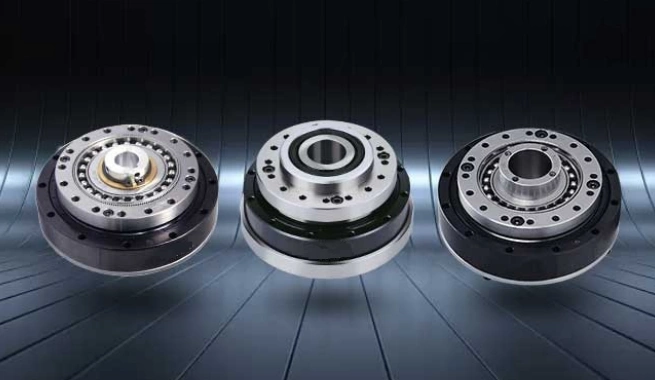
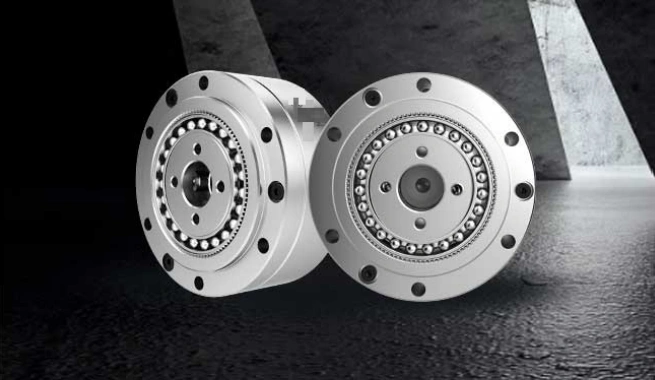
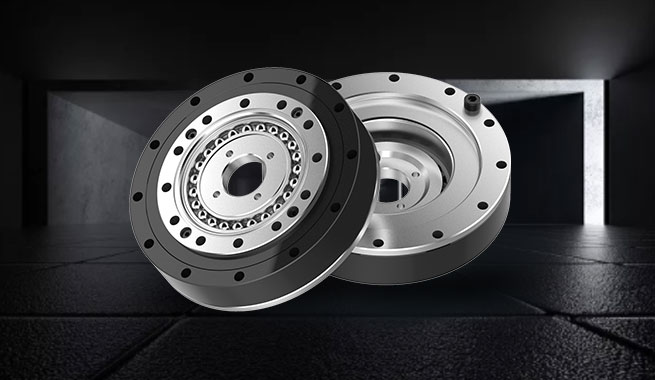
Selecting the right gear system is critical for any robotic application. From humanoid robots to quadrupeds and industrial robotic arms, actuators rely on gear reducers to provide:
High torque
Precise positioning
Long-term reliability
Two leading technologies dominate the market: harmonic gearboxs and cycloidal drives. While both offer high-performance characteristics, each has unique advantages and trade-offs.
Understanding Harmonic Gearboxs
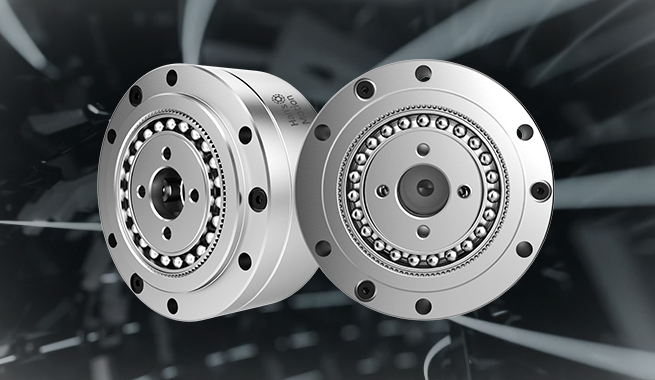
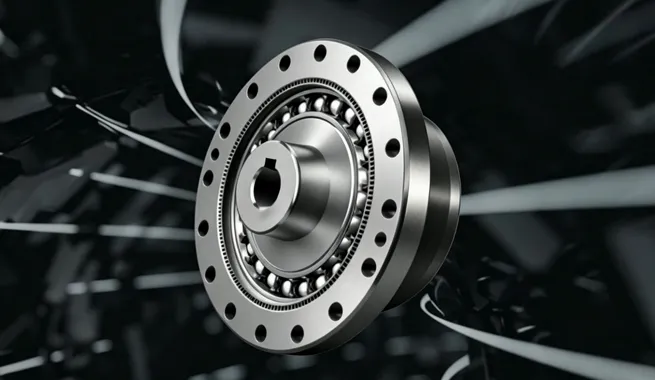
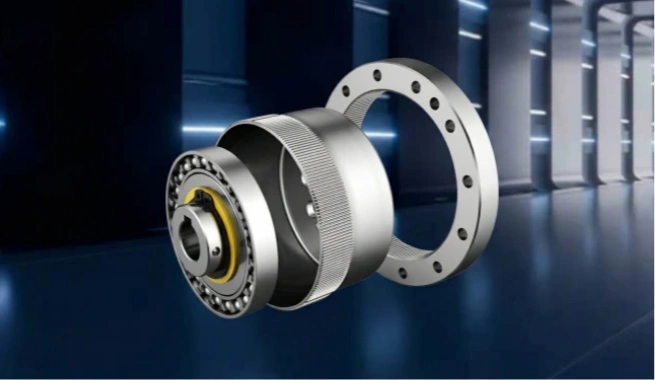
Harmonic gearboxs use a flexspline, circular spline, and wave generator to achieve high reduction ratios in a compact package. Key advantages:
Near-zero backlash
Smooth motion transmission
High torque density
Compact, lightweight design
Ideal for robotic joints requiring precision, such as humanoid arms or quadruped legs.
Understanding Cycloidal Drives
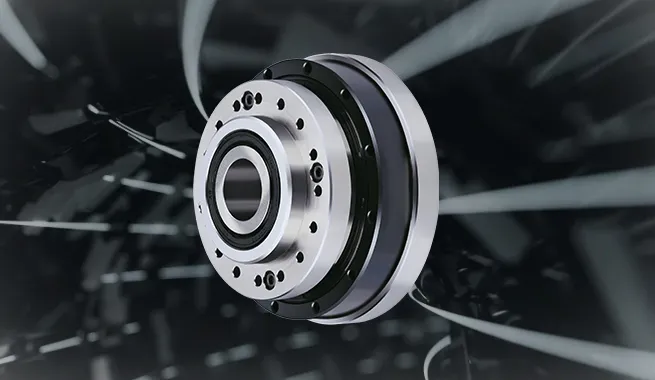
Cycloidal drives use eccentric input motion to generate high torque through a rolling cam mechanism. Key advantages:
High shock load tolerance
Long service life under continuous heavy load
Low maintenance requirements
However, cycloidal drives are typically heavier and larger than harmonic gearboxs, and may introduce slight backlash in high-speed applications.
Choosing Between Harmonic and Cycloidal Drives
Feature Harmonic Gearbox Cycloidal Drive
Backlash Near-zero Small but measurable
Torque Density Very high Moderate
Size & Weight Compact, lightweight Larger, heavier
Shock Load Resistance Moderate (requires SEA/damping) High
Maintenance Low Very low
Recommendation:
Precision and lightweight robotic joints → Harmonic gearbox
Heavy-duty robots with high shock loads → Cycloidal drive
Conclusion
Both harmonic and cycloidal drives have strong applications in robotics. Understanding your robot's precision, load, and environmental requirements is essential before selecting a reducer.
At Picea Motion Drive, we specialize in custom harmonic gearbox solutions optimized for robotic arms, legs, and multi-DoF systems.
Contact us today to discuss your project requirements and find the perfect harmonic drive solutions.
Contact Us Now
Hi, I am Sophie from Shenzhen PICEA Motion Technology Co, Ltd. I have been working in overseas business trade for more than 5 years. PICEA Motion is a professional manufacturer of precision harmonic gears. Our company integrates R&D, production, sales, and after-sales services.