Industrial robotic arms have become essential across manufacturing, electronics assembly, logistics, and medical automation.
As automation systems become more sophisticated, engineers face a common challenge:
How can a robotic arm achieve higher precision and larger payloads without increasing size and weight?
The answer often lies within the joint transmission system.
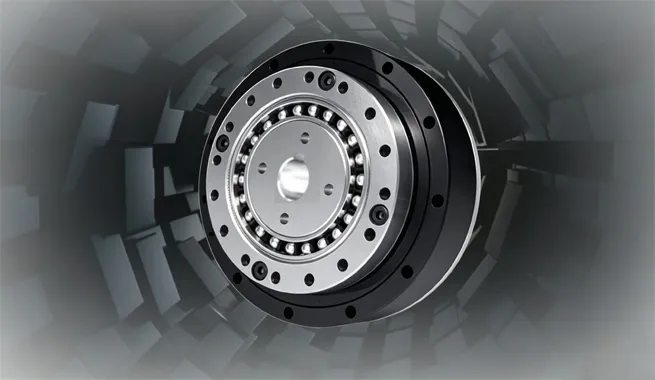
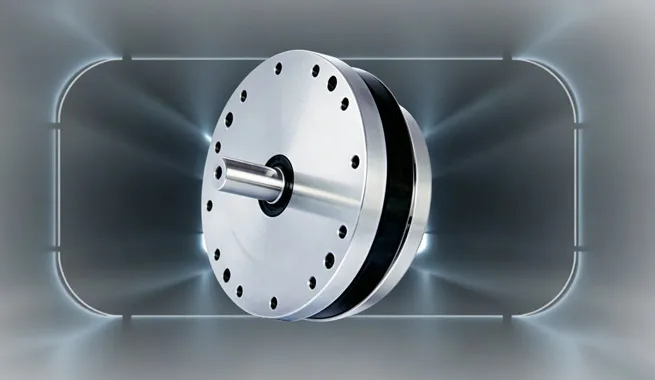
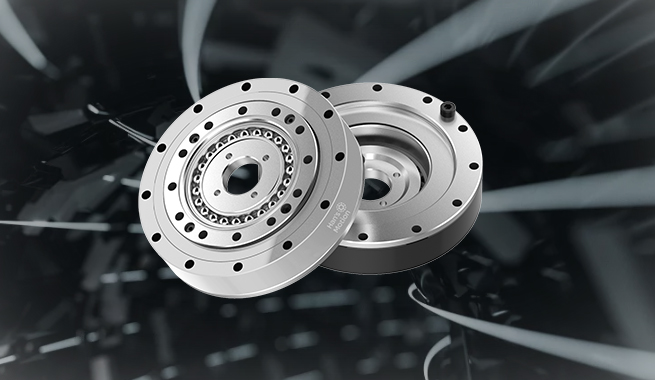
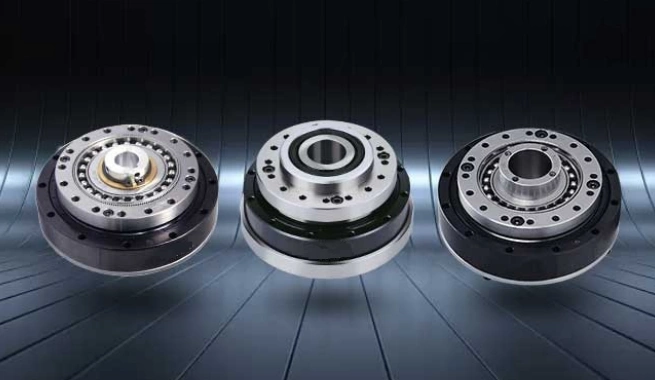
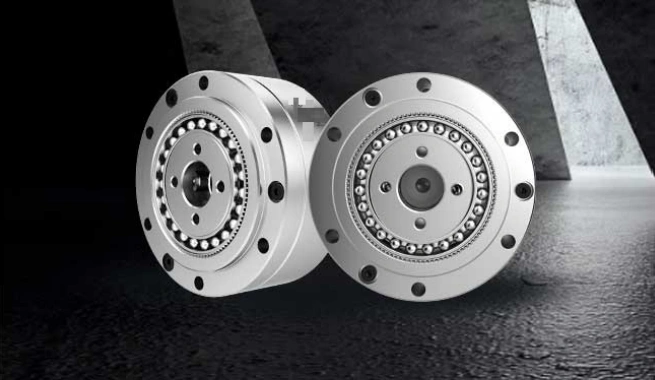
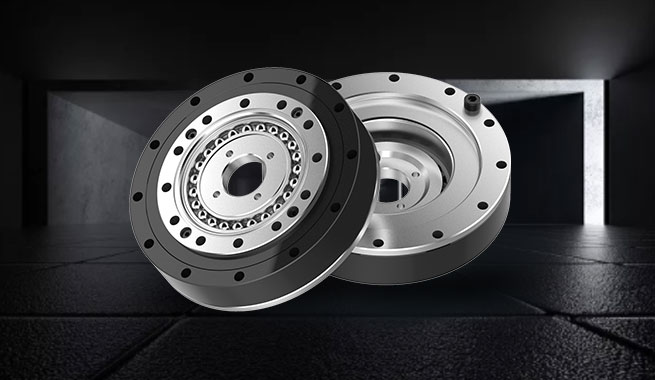
Harmonic gearboxs have become one of the most widely adopted gear solutions for high-performance robotic arms because they deliver exceptional accuracy and torque density in a compact package.
Modern robotic arms perform tasks that demand micron-level accuracy.
Examples include:
· Semiconductor manufacturing
· Electronic assembly
· Medical device production
· Automated quality inspection
Even slight transmission errors can affect:
· Product quality
· Cycle times
· Production efficiency
Reducing mechanical backlash is therefore a top priority.
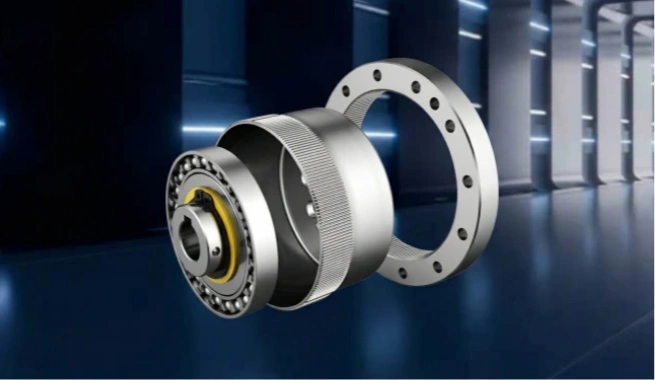
Unlike traditional gearboxes, harmonic gearboxs use:
· Wave Generator
· Flexspline
· Circular Spline
This unique mechanism creates near-zero backlash.
Benefits include:
The robotic arm follows programmed paths more precisely.
Repeated movements remain consistent over millions of cycles.
Continuous tooth engagement minimizes vibration and improves control quality.
Payload capacity is a major performance indicator for robotic arms.
Many traditional gearboxes require larger housings to increase torque output.
Harmonic gearboxs take a different approach.
By achieving high reduction ratios in a single stage, they provide:
· Greater torque density
· Smaller actuator packages
· Lower overall weight
This allows robotic arms to lift heavier loads while maintaining speed and precision.
Today, harmonic gearboxs are widely used in:
Safe and precise interaction with human operators.
High-speed manufacturing and assembly operations.
Accurate positioning during surgical and diagnostic procedures.
Advanced robots requiring precise motion control and force feedback.
Picea Motion Drive provides harmonic gearbox solutions engineered for demanding robotic applications.
Our products offer:
· Zero backlash
· High torque density
· Compact design
· Stable long-term performance
These advantages help robotic arm manufacturers improve accuracy, efficiency, and reliability.
As robotic arms become smarter and more capable, precision motion control becomes increasingly important.
Harmonic gearboxs provide the mechanical foundation that enables accurate movement, higher payload capacity, and long-term reliability.
For engineers developing next-generation robotic systems, harmonic gearboxs remain one of the most effective solutions available today.
Contact us today to discuss your project requirements and find the perfect harmonic drive solutions.
Contact Us Now
Hi, I am Sophie from Shenzhen PICEA Motion Technology Co, Ltd. I have been working in overseas business trade for more than 5 years. PICEA Motion is a professional manufacturer of precision harmonic gears. Our company integrates R&D, production, sales, and after-sales services.