The rise of humanoid robots has created unprecedented attention on robotic motion systems.
When Tesla introduced Optimus, the world focused on its artificial intelligence capabilities, autonomous behavior, and human-like appearance. However, behind every impressive movement is a complex mechanical challenge:
How can a humanoid robot achieve powerful, precise, and reliable movement with human-sized joints?
The answer depends heavily on the design of its actuator system.
For robotics engineers, one of the most important decisions is selecting the right precision reducer:
Harmonic gearbox or planetary gearbox?
Both technologies have been widely used in industrial robotics, but humanoid robots introduce completely new requirements. Compact size, lightweight design, zero backlash, and high torque density become critical factors.
This is why the comparison between harmonic gearboxs and planetary gears has become increasingly important in the development of next-generation humanoid robots.
Unlike traditional industrial robots that operate from fixed bases, humanoid robots must carry every component themselves:
Motors
Gear reducers
Sensors
Batteries
Control electronics
Every additional kilogram affects:
Energy consumption
Walking efficiency
Acceleration performance
Overall mobility
At the same time, humanoid joints must provide extremely accurate motion control.
A shoulder joint, elbow joint, or wrist actuator must be able to:
Move smoothly
Handle variable loads
Maintain precise positioning
Operate reliably for millions of cycles
This creates three major engineering requirements:
A humanoid robot needs strong joints without bulky actuators.
The ideal reducer must provide:
High torque output
Compact dimensions
Low weight
High torque density is especially important for:
Robotic arms
Hands
Shoulder joints
Hip actuators
Human-like robots have limited installation space.
Large gear systems can negatively impact:
Joint flexibility
Robot appearance
Mechanical integration
Compact reducers allow engineers to design more natural robotic structures.
Humanoid robots depend on advanced sensors and closed-loop control algorithms.
Mechanical backlash can create:
Motion delay
Positioning errors
Reduced stability
For tasks such as grasping objects or manipulating tools, even small mechanical errors can affect performance.
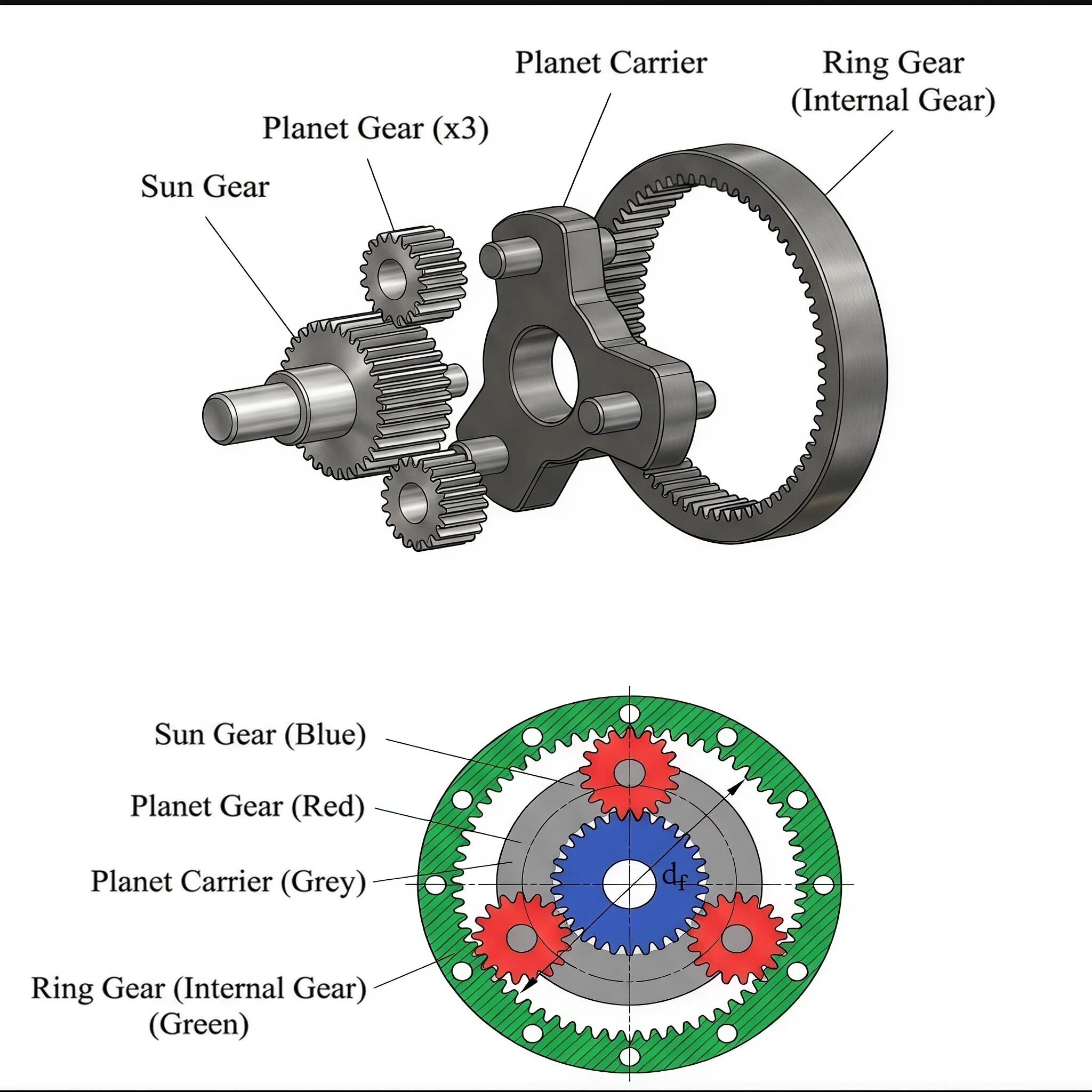
Planetary gearboxes are one of the most established transmission technologies in robotics.
Their structure includes:
Sun gear
Planet gears
Ring gear
Because multiple gears share the load, planetary systems provide excellent mechanical strength.
Planetary gearboxes perform well under:
Heavy loads
Sudden impacts
High torque conditions
This makes them suitable for applications where ruggedness is the highest priority.
For some robotic applications, especially where absolute precision is less critical, planetary gearboxes provide reliable performance.
Despite their advantages, planetary gearboxes face several challenges in humanoid applications.
Because planetary systems rely on multiple rigid gears, some clearance is required.
Reducing backlash requires:
Extremely precise manufacturing
Tight assembly control
Higher production costs
Humanoid robots often require high reduction ratios.
Achieving these ratios with planetary systems usually requires multiple stages, resulting in:
Longer axial dimensions
Increased weight
More complex structures
This can be a disadvantage for compact robotic joints.
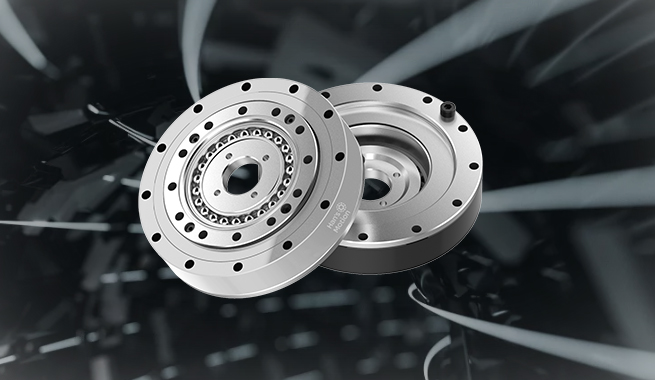
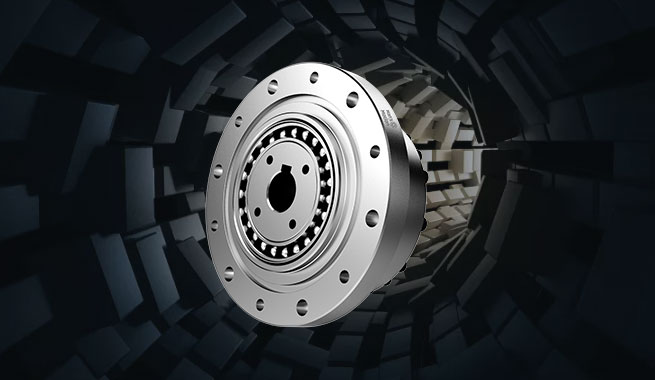
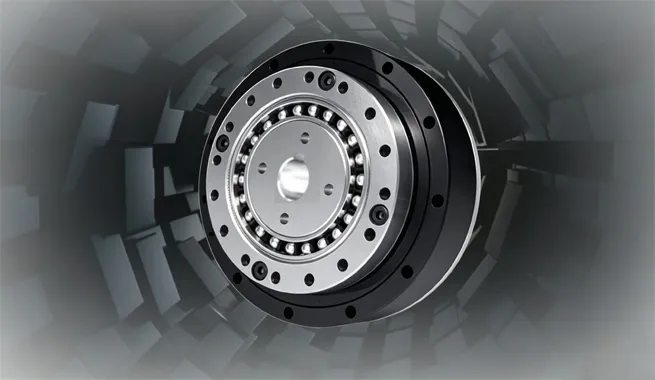
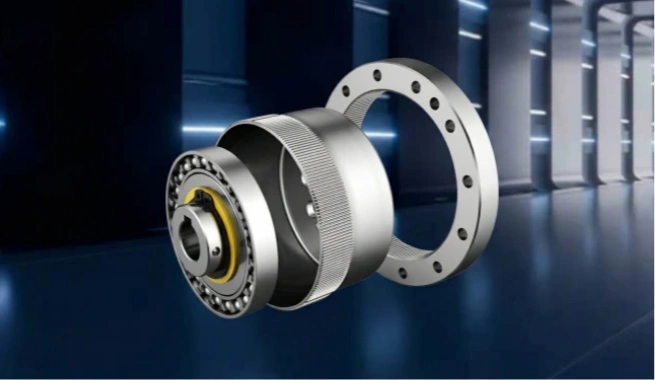
Harmonic gearboxs, also known as strain wave gear reducers, use a unique mechanism consisting of:
Wave Generator
Flexspline
Circular Spline
Instead of traditional gear meshing, harmonic gearboxs use controlled elastic deformation to achieve high reduction ratios.
This provides several advantages for humanoid robots.
The continuous engagement between components allows harmonic gearboxs to achieve extremely low backlash.
Benefits include:
Precise trajectory control
Smooth robotic movement
Improved repeatability
This is especially important for:
Robotic hands
Wrist joints
Arm manipulation
A harmonic gearbox can achieve high reduction ratios in a single compact stage.
Typical ratios include:
30:1
50:1
100:1
160:1
This enables:
Smaller actuators
Lower joint weight
Higher torque density
For humanoid robots, reducing actuator weight directly improves mobility.
A lighter joint allows:
Faster movement
Lower energy consumption
Better balance control
This is why harmonic gearboxs are widely adopted in precision robotic applications.
| Feature | Harmonic Gearbox | Planetary Gear |
| Backlash | Near Zero | Low to Moderate |
| Precision | Excellent | Good |
| Torque Density | Very High | High |
| Compactness | Excellent | Moderate |
| Shock Resistance | Requires system optimization | Excellent |
| Best Application | Precision robotic joints | Heavy-duty motion |
The answer is not simply that one technology replaces the other.
Different robotic joints have different requirements.
Priority:
Precision
Low inertia
Smooth movement
Recommended:
Harmonic Gearbox
Priority:
Torque output
Impact management
Durability
Possible solutions include:
High-performance harmonic gearboxs
Mechanical compliance systems
Optimized actuator designs
Tesla Optimus highlights a key lesson:
The future of humanoid robotics depends not only on smarter AI but also on better mechanical engineering.
A successful humanoid robot requires the perfect balance between:
Intelligence
Sensors
Motors
Gear reducers
Mechanical structure
The actuator is where digital intelligence becomes physical movement.
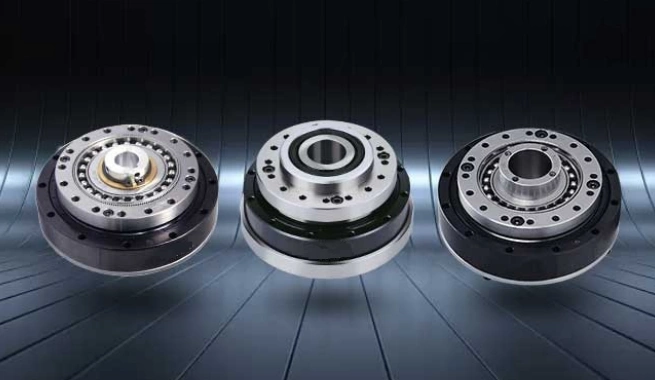
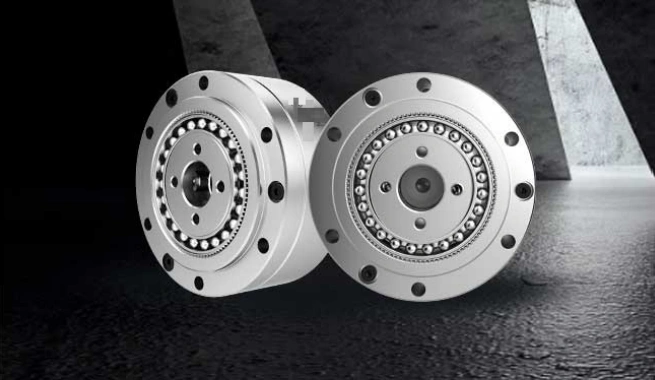
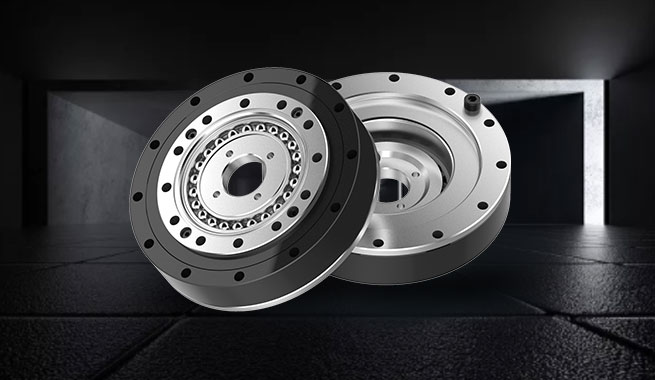
At Picea Motion Drive, we develop harmonic gearbox solutions for advanced robotic applications, including:
Humanoid robots
Robotic arms
Quadruped robots
Precision automation systems
Ideal for:
Shoulder joints
Elbow joints
High torque applications
Features:
High rigidity
Strong torque transmission
Reliable performance
Designed for:
Compact robotic joints
Internal cable routing applications
Features:
Hollow shaft structure
Flexible integration
Cleaner actuator design
Designed for:
Lightweight robotic arms
Space-limited humanoid joints
Features:
Ultra-thin structure
High precision
High integration capability
Tesla Optimus has accelerated global interest in humanoid robots, but the mechanical foundation behind these machines remains the same:
Reliable, precise, and compact joint actuators.
While planetary gears continue to play an important role in heavy-duty applications, harmonic gearboxs provide the precision and compactness required for human-like robotic movement.
For engineers developing the next generation of humanoid robots, choosing the right reducer technology is one of the most important design decisions.
Developing a humanoid robot, robotic arm, or precision automation system?
Picea Motion Drive provides customized harmonic gearbox solutions to help engineers achieve:
Higher precision
Better torque density
Compact actuator integration
Reliable long-term performance
Contact our engineering team today to discuss your robotic joint requirements.
Contact us today to discuss your project requirements and find the perfect harmonic drive solutions.
Contact Us Now
Hi, I am Sophie from Shenzhen PICEA Motion Technology Co, Ltd. I have been working in overseas business trade for more than 5 years. PICEA Motion is a professional manufacturer of precision harmonic gears. Our company integrates R&D, production, sales, and after-sales services.